
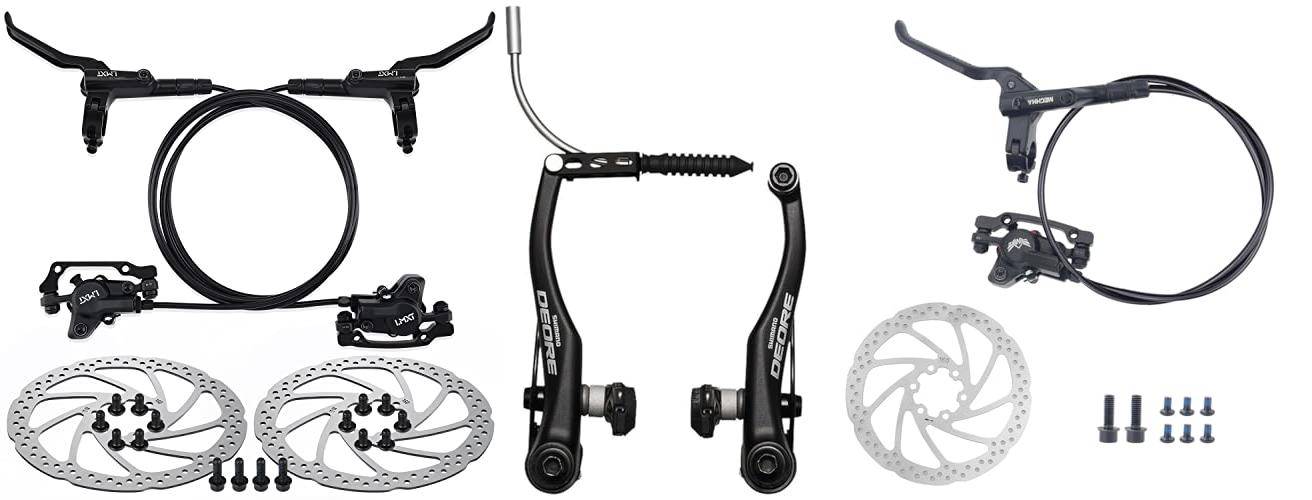
Ever found yourself flying down a trail, heart pounding, and then suddenly realize your brakes feel… weak? That heart-stopping moment is when you truly understand the power of good mountain bike brakes. They’re not just for slowing down; they’re your ticket to control, confidence, and conquering those gnarly descents.
But let’s be honest, picking the right brakes can feel like deciphering a secret code. There are so many types, brands, and technical terms! Do you need hydraulic or mechanical? What about rotor size? It’s enough to make anyone’s head spin, and the wrong choice can leave you wishing for more stopping power when you need it most.
This post is here to cut through the confusion. We’ll break down what makes mountain bike brakes tick, explore the key things to look for, and help you understand which ones will work best for your riding style and your bike. By the end, you’ll be ready to choose brakes that give you the stopping power you need to ride with more speed and less worry.
Our Top 5 Mtb Bike Brakes Recommendations at a Glance
Top 5 Mtb Bike Brakes Detailed Reviews
1. TOBWOLF 1 Pair MTB Disc Brake Set

Rating: 9.2/10
Upgrade your ride with the TOBWOLF 1 Pair MTB Hydraulic Disc Brake Set. This kit includes everything you need for powerful and reliable stopping, featuring 160mm rotors and durable aluminum calipers. It’s designed for mountain bikes, e-bikes, fat bikes, and road bikes, offering a significant improvement over older brake systems.
What We Like:
- Powerful and Reliable Braking: The hydraulic system provides excellent stopping power and control, even in wet conditions.
- Upgraded Ceramic Pads: These pads are gentle on your rotors and boost braking performance without causing squeaks.
- Durable Construction: Made from high-grade aluminum alloy, these brakes are built to last and resist high temperatures and extreme weather.
- Lightweight Rotors: The stainless steel 6-bolt rotors are designed to shed weight while maximizing braking force and heat dissipation with their vented design.
- Wide Compatibility: Works with most 6-bolt hubs and is suitable for a variety of bikes, including mountain, road, and e-bikes.
What Could Be Improved:
- Hose Length Consideration: Users should confirm hose lengths (Left-Front 81cm, Right-Rear 147cm) are suitable for their bike before purchasing.
- Potential for Minor Oil Leakage During Setup: The instructions mention a small amount of oil leakage might occur when switching brake cable sides, though it won’t affect performance.
- Installation May Require Fine-Tuning: Proper installation and adjustment of caliper alignment and brake pad clearance are crucial for optimal performance.
This TOBWOLF brake set offers a significant upgrade for your cycling adventures. With its robust build and effective performance, it’s a solid choice for riders seeking better control and safety.
2. Shimano BR-T610 V-Brake – Rear

Rating: 8.6/10
The Shimano BR-T610 V-Brake for the rear of your bike offers reliable stopping power with its sleek black finish. Its 107mm arch design ensures a good fit on many bicycles, and the S70C cartridge shoe is engineered to provide a great balance. This means you get strong braking performance without annoying squeaks.
What We Like:
- The S70C cartridge shoe offers a good mix of stopping power and quiet operation.
- The 107mm arch is a standard size that fits many bikes well.
- Shimano is a well-known brand for quality bike parts.
- The black color looks sharp on most bike frames.
- Installation is usually straightforward for those with basic bike maintenance skills.
What Could Be Improved:
- For some riders, the braking power might not be enough for very steep downhill descents.
- The included brake pads are good, but serious riders might want to upgrade for even better performance in wet conditions.
This rear V-brake is a solid choice for everyday cycling and general use. You can count on it to help you stop safely and smoothly on your rides.
3. WEEROCK MTB Hydraulic Brake Set Bike Disc Brakes Kit with Left Front 800mm 160mm Rotors Aluminum Alloy Hydraulic Brake Fit for Mountain Bike

Rating: 9.0/10
Upgrade your mountain bike’s stopping power with the WEEROCK MTB Hydraulic Brake Set. This kit gives you a reliable left front hydraulic brake system, perfect for improving your control on trails. It comes with everything you need to get back on the road safely.
What We Like:
- The 2-piston hydraulic system uses mineral oil for a stable and efficient braking experience. This means you get great stopping power and can easily control your speed.
- The aluminum alloy brake lever feels good in your hand. Its integrated design prevents oil leaks and responds quickly to your touch, making rides safer and more comfortable.
- The set includes a 160mm stainless steel rotor with 6 bolts for strong and durable braking.
- Installation is straightforward for both Post Mount and International Standard Mounts.
- The 800mm front cable length is just right for most mountain bikes.
What Could Be Improved:
- The instructions for mounting adapters could be clearer for beginners.
- While the aluminum alloy is good, a more robust material might be preferred by some riders for extreme conditions.
This WEEROCK brake set is a solid upgrade for any mountain biker looking for better performance and safety. It offers a great balance of control and reliability for your adventures.
4. Hmseng V-Type Bike Brake Set

Rating: 9.4/10
The Hmseng V-Type Bike Brake Set offers a complete package for upgrading or replacing your bicycle’s braking system. This set includes everything you need to get your bike stopping smoothly and reliably, making it a great option for DIY enthusiasts or those looking for a cost-effective solution.
What We Like:
- Complete kit: You get two pairs of V-brakes, brake cables, end caps, brake levers, a multi-tool, and wrenches, making installation much easier.
- Durable materials: The brakes are made from strong aluminum alloy, plastic, and rubber, designed to resist cold, heat, and oxidation, so they last longer and keep their shape.
- Durable cables: The brake cables are protected by a black PU pipe, which adds extra durability.
- Easy installation: The included tools and clear instructions help you install the brakes yourself.
- Universal fit: This set is designed to work with most mountain bikes (MTB).
What Could Be Improved:
- Not for kids’ bikes: This brake set is not suitable for children’s bicycles, so be sure to check if it’s right for your bike.
- Rear wheel check needed: You must confirm your bike’s rear wheel has the correct hole for the brake before buying.
This Hmseng V-Type Bike Brake Set provides a solid and accessible way to improve your bike’s stopping power. With its comprehensive contents and durable build, it’s a smart choice for many cyclists.
5. Zmgdrm MT200 MTB Hydraulic Disc Brakes Set Left Front 800mm Right Rear 1550mm Mountain Bike Hydraulic Brake Mountain Bike Bicycle Disc Brake 2 Piston

Rating: 8.9/10
Upgrade your ride with the Zmgdrm MT200 MTB Hydraulic Disc Brakes Set. This set is designed for mountain bikes and offers powerful, reliable stopping. It includes a front brake with an 800mm hose and a rear brake with a 1550mm hose. These hydraulic brakes are a significant improvement over mechanical disc brakes.
What We Like:
- Easy Installation: The brakes come with clear instructions, making setup straightforward.
- Quiet Braking: Resin-metal composite brake pads ensure silent stops without damaging your rotors.
- Powerful Stopping: Dual-piston calipers and a high-end aluminum alloy lever give you excellent control with just one or two fingers.
- Wide Compatibility: These brakes fit most mountain bikes, e-bikes, fat bikes, and folding bikes, as long as the tubing length is sufficient.
What Could Be Improved:
- Adapter Not Included: You may need to purchase adapters separately depending on your bike’s setup.
- Tubing Length Consideration: While the tubing is generous, ensure it’s long enough for your specific bike frame before purchasing.
This brake set offers a fantastic upgrade for any cyclist seeking better performance and control. You’ll experience smoother, quieter, and more powerful braking on all your adventures.
Choosing the Best MTB Bike Brakes: Stop on a Dime!
Your mountain bike’s brakes are super important. They keep you safe and in control on the trail. Picking the right ones makes a big difference. This guide will help you understand what to look for.
Key Features to Look For
When you shop for MTB brakes, check these things:
- Stopping Power: How quickly can the brakes stop your bike? More power is better, especially on steep hills.
- Modulation: This is how smoothly you can control the braking. Good modulation means you can apply just the right amount of pressure. You don’t want brakes that are too grabby or too weak.
- Durability: Mountain biking can be rough. Your brakes need to be tough and last a long time.
- Weight: Lighter brakes can make your bike easier to climb with. But don’t sacrifice too much stopping power for weight.
- Ease of Maintenance: Some brakes are easier to fix or adjust than others.
Important Materials
Brake parts are made from different materials. These affect how they work and how long they last.
- Rotors: These are the metal discs that the brake pads squeeze. Most rotors are made of stainless steel. Some high-end ones might have aluminum cores to save weight.
- Brake Levers and Calipers: These are the parts you squeeze and the part that holds the brake pads. They are often made from aluminum. For lighter weight, some use carbon fiber.
- Brake Pads: These are the parts that rub against the rotor.
- Organic (Resin) Pads: These are softer. They provide good stopping power and are quiet. They wear out faster, especially in wet or muddy conditions.
- Metallic (Sintered) Pads: These are harder. They last longer and work better in wet or muddy conditions. They can be noisier and might wear down rotors faster.
Factors That Improve or Reduce Quality
What makes a brake good or not so good?
- Hydraulic vs. Mechanical:
- Hydraulic Brakes: These use fluid to push the brake pads. They offer the best stopping power and modulation. They are generally more expensive and can be trickier to bleed (change the fluid).
- Mechanical Brakes: These use a cable to pull the brake pads. They are simpler and cheaper. They don’t offer as much stopping power or control as hydraulic brakes.
- Rotor Size: Bigger rotors mean more stopping power. For most trail riding, 160mm or 180mm rotors are common. Downhill riders might use 200mm or even larger rotors.
- Number of Pistons: Brake calipers have pistons that push the pads. More pistons mean more clamping force. Most trail bikes use 2-piston brakes. Downhill and enduro bikes often use 4-piston brakes for extra power.
- Lever Design: The shape and feel of the brake lever matter. Some levers are designed for better grip and control.
User Experience and Use Cases
Who uses what kind of brakes?
- Beginner Riders: Often start with mechanical disc brakes or entry-level hydraulic disc brakes. These are affordable and reliable for casual trails.
- Trail Riders: Most trail riders prefer hydraulic disc brakes. They need good stopping power for descents and good control for tricky sections. 2-piston calipers with 180mm rotors are a popular choice.
- Downhill and Enduro Riders: These riders need the most stopping power. They use powerful hydraulic disc brakes with 4-piston calipers and large 200mm or larger rotors.
- Cross-Country Riders: These riders focus on light weight. They might use lighter hydraulic disc brakes with smaller rotors, but still need reliable stopping power for climbs and descents.
Frequently Asked Questions (FAQ) about MTB Bike Brakes
Q: What’s the difference between hydraulic and mechanical brakes?
A: Hydraulic brakes use fluid for stopping power, offering more control. Mechanical brakes use cables, which are simpler but less powerful.
Q: Are bigger brake rotors always better?
A: Bigger rotors usually mean more stopping power. They are good for heavier riders or steep descents. Smaller rotors are lighter.
Q: How often should I change my brake pads?
A: It depends on how much you ride and the type of pads. Check them regularly. Replace them when they look thin.
Q: What does “modulation” mean for brakes?
A: Modulation means how smoothly you can control the braking. Good modulation lets you apply just the right amount of stopping force.
Q: Can I mix and match brake parts from different brands?
A: Sometimes. You can often use rotors from one brand with calipers from another. But it’s usually best to use levers, calipers, and hoses from the same brand for best performance.
Q: How do I clean my disc brake rotors?
A: Use a special disc brake cleaner or rubbing alcohol. Make sure to get them clean so they work well.
Q: What are 2-piston and 4-piston brakes?
A: Pistons push the brake pads against the rotor. 2-piston brakes are common for trail riding. 4-piston brakes offer more clamping force for downhill.
Q: Should I get organic or metallic brake pads?
A: Organic pads are quieter and offer good initial bite. Metallic pads last longer and work better in wet conditions.
Q: How much should I expect to spend on good MTB brakes?
A: Entry-level hydraulic brakes can cost around $100-$200 per wheel. High-end brakes can cost $300 or more per wheel.
Q: Do I need to bleed my hydraulic brakes?
A: Yes, hydraulic brakes need to be bled sometimes to remove air bubbles and ensure good performance. This is usually done once a year or if the brakes feel spongy.
In conclusion, every product has unique features and benefits. We hope this review helps you decide if it meets your needs. An informed choice ensures the best experience.
If you have any questions or feedback, please share them in the comments. Your input helps everyone. Thank you for reading.