
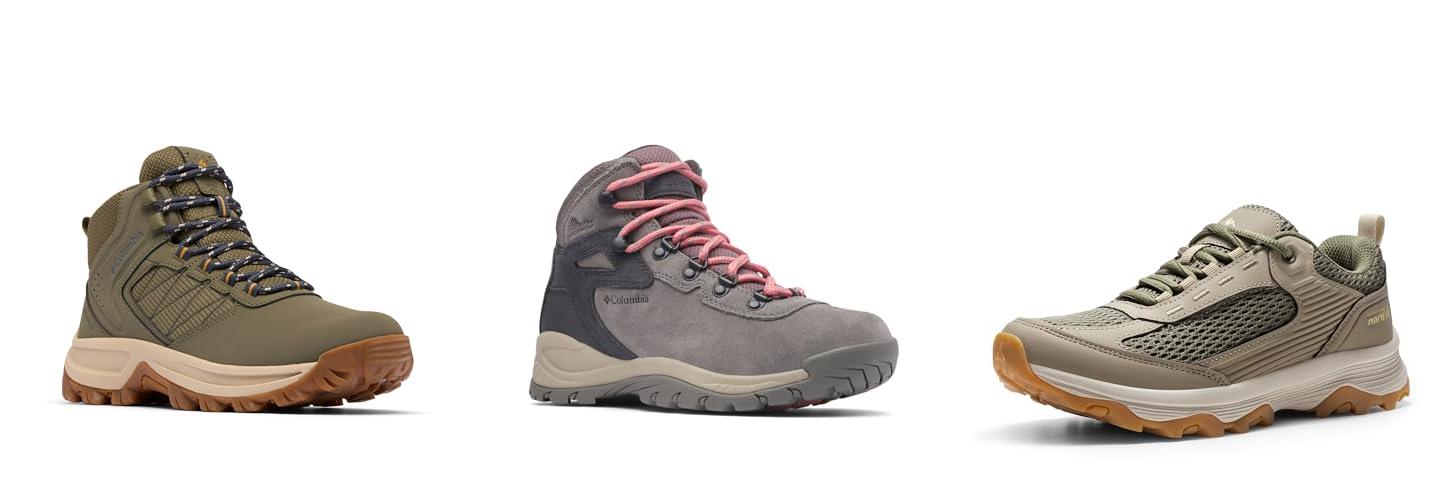
Imagine this: you’re standing at the trailhead, ready for an amazing adventure. The sun is shining, the birds are singing, and then you look down at your feet. Your old, worn-out shoes aren’t exactly screaming “ready for anything.” Choosing the right hiking shoes can feel like a puzzle. There are so many styles, brands, and features, it’s easy to get overwhelmed. You want something comfortable for those long trails, supportive for rocky paths, and tough enough to handle any weather, but how do you find it?
That’s where we come in. We know the struggle is real when it comes to finding hiking shoes that fit your feet perfectly and meet all your hiking needs. It’s not just about looking good; it’s about feeling good and staying safe on the trail. This post is your roadmap to finding those dream hiking shoes.
By the time you finish reading, you’ll understand what makes a great women’s hiking shoe. We’ll break down the important features, give you tips on how to choose the best fit, and help you avoid common mistakes. Get ready to step into your next adventure with confidence!
Our Top 5 Hiking Shoe For Women Recommendations at a Glance
Top 5 Hiking Shoe For Women Detailed Reviews
1. Columbia Womens Transverse Waterproof Hiking Boot

Rating: 8.5/10
Lace up your adventures with the Columbia Womens Transverse Waterproof Hiking Boot in Stone Green/Raw Honey. These boots are built for exploring, keeping your feet dry and comfy no matter where the trail takes you. They combine tough materials with smart technology to make hiking a breeze.
What We Like:
- These boots are waterproof thanks to OMNI-TECH. They keep water out but let your feet breathe, so they stay dry and comfortable.
- The TECHLITE cushioning absorbs shock. This means your feet won’t get as tired on bumpy paths.
- OMNI-GRIP gives you great traction. You can walk on rocks, dirt, and gravel without slipping, even when it’s wet.
- They have a tough leather and mesh upper. The metal hardware and soft collar add extra comfort and make them look good.
- Columbia makes these boots to last. They use good materials and careful stitching, so you can enjoy them for many hikes.
What Could Be Improved:
- The color “Raw Honey” might not be everyone’s first choice for a hiking boot.
- While good for moderate rain, they might not be ideal for extremely heavy downpours or deep snow.
Overall, the Columbia Womens Transverse Waterproof Hiking Boot is a solid choice for hikers wanting reliable comfort and grip. You’ll be ready for your next outdoor escapade.
2. Columbia Womens Newton Ridge Plus Waterproof Amped

Rating: 8.9/10
The Columbia Women’s Newton Ridge Plus Waterproof Amped hiking boot in Stratus/Canyon Rose, size 9, is built for adventure. It offers a blend of classic style and modern performance to keep your feet happy on the trail. These boots are designed to handle tough conditions while providing comfort and support.
What We Like:
- The seam-sealed waterproof construction keeps your feet dry.
- TECHLITE midsole provides great cushioning and energy return.
- Durable mid-cut design offers good ankle support.
- Omni-GRIP outsole delivers excellent traction on different surfaces.
- Reinforced toe and heel protect against wear and tear.
- The combination of leather and suede is both supportive and comfortable.
What Could Be Improved:
- While described as “amped,” the overall style is quite classic, which may not appeal to everyone seeking a more modern look.
- The “three season use” claim might be ambitious in very extreme winter conditions.
These boots are a reliable companion for your hiking journeys. They offer solid protection and comfort, making them a great choice for many outdoor adventures.
3. NORTIV 8 Women’s Hiking Shoes Lightweight Breathable Mesh Walking Sneakers Outdoor Work Shoes

Rating: 8.8/10
Hit the trails or the town in comfort with the NORTIV 8 Women’s Hiking Shoes. These olive green sneakers are designed for active women who love the outdoors. They are lightweight and breathable, making them a great choice for long walks or hikes. The stylish design means you don’t have to sacrifice looks for performance.
What We Like:
- The breathable mesh upper keeps your feet cool and dry, which is super important when you’re out exploring.
- They are really lightweight, only 8.9 ounces per shoe, so your feet won’t feel tired even after a long day.
- The rubber outsole gives you great grip on different surfaces, so you can walk with confidence.
- The EVA insole with arch support helps prevent foot fatigue, making them comfortable for extended wear.
- These shoes look great and work well for both hiking and casual wear.
What Could Be Improved:
- While described as waterproof, the mesh upper might not be ideal for very wet conditions.
- The “vegan leather” might not appeal to everyone looking for natural materials.
These NORTIV 8 hiking sneakers offer a good balance of comfort, support, and style for any adventure.
4. Merrell Women’s Moab 2 Vent Hiking Shoe

Rating: 9.3/10
The Merrell Women’s Moab 2 Vent Hiking Shoe in Aluminum/Marlin, size 9.5 M US, is designed for comfort and performance on the trail. It offers a blend of durability and breathability to keep your feet happy during your adventures.
What We Like:
- The combination of pigskin leather and mesh upper makes the shoe strong but also lets your feet breathe.
- A bellows tongue stops dirt and pebbles from getting inside your shoes.
- The protective toe cap guards your toes from bumps and scrapes.
- A breathable mesh lining helps keep your feet cool and dry.
- The removable insole offers good support for your feet, especially in the heel.
- Merrell Air Cushion in the heel absorbs shock, making each step feel more stable and less jarring.
- The lightweight EVA foam midsole provides a good balance of comfort and sturdiness.
- The Vibram TC5+ rubber sole offers excellent grip on various surfaces.
What Could Be Improved:
- Some users might prefer more robust arch support than the medium support offered.
- While breathable, the mesh might not be as waterproof as some hikers might need for very wet conditions.
This Merrell Moab 2 Vent shoe is a solid choice for those seeking reliable comfort and protection on their hikes. It’s built to handle a variety of trails, making it a dependable companion for outdoor exploration.
5. NORTIV 8 Women’s Waterproof Hiking Boots Outdoor Trekking Camping Trail Hiking Boot Seeker

Rating: 9.1/10
Hit the trails with confidence in the NORTIV 8 Women’s Waterproof Hiking Boots. These boots are designed for adventure, offering a blend of comfort, durability, and style for all your outdoor pursuits.
What We Like:
- Excellent comfort with a lightweight, durable midsole and advanced traction rubber soles that grip well on rough ground.
- Breathable design thanks to the suede leather, suede ankle boot structure, and mesh tongue, keeping your feet comfortable on long treks.
- Feminine and fashionable style with eye-catching contrasting color combinations and a soft suede finish.
- Advanced traction technology provides a secure grip in various environments, supported by a firm sole for durability and an EVA insole for extra cushioning.
- Nortiv 8 is committed to delivering high-quality outdoor footwear.
What Could Be Improved:
- Consider the wide toe box version if you prefer a looser fit.
These boots are a fantastic choice for any woman looking for reliable and stylish footwear for her next outdoor adventure. They combine practical features with a touch of feminine flair.
Your Guide to Finding the Best Hiking Shoes for Women
Hitting the trail is a fantastic way to explore nature. But to make sure your adventure is comfortable and safe, you need the right hiking shoes. This guide will help you find the perfect pair for your feet and your hikes.
Why Hiking Shoes Matter
Hiking shoes are different from regular sneakers. They offer better support, grip, and protection for your feet. This helps prevent injuries like twisted ankles and blisters. Good shoes make your hikes more enjoyable.
Key Features to Look For
When you shop for hiking shoes, keep these important features in mind:
1. Fit and Comfort
- Snug but not tight: Your toes should have a little wiggle room. Your heel shouldn’t slip when you walk.
- Arch support: This helps keep your foot comfortable on long walks.
- Cushioning: Good padding absorbs shock and makes walking feel softer.
2. Traction and Grip
- Deep lugs: These are the bumpy patterns on the bottom of the shoe. Deep lugs dig into the ground, giving you a better grip.
- Rubber sole: Look for durable rubber that won’t wear down quickly.
3. Support and Stability
- Ankle support: Some shoes come up higher around your ankle. This is great for rocky or uneven trails.
- Stiff sole: A stiffer sole protects your feet from sharp rocks and roots.
4. Waterproofing and Breathability
- Waterproof membranes: These keep water out but let sweat escape. This keeps your feet dry and comfortable.
- Breathable materials: This allows air to circulate, preventing your feet from getting too hot.
Important Materials
The materials used in hiking shoes affect how they perform.
1. Uppers
- Leather: Durable and water-resistant. It molds to your foot over time. Full-grain leather is the toughest.
- Synthetic materials: Lighter and often more breathable than leather. They dry faster too. Mesh is a common synthetic.
- Waterproof membranes: Like Gore-Tex, these are often added to keep water out.
2. Midsoles
- EVA (Ethylene Vinyl Acetate): Lightweight and provides good cushioning.
- Polyurethane: Firmer and more durable than EVA. Offers better support.
3. Outsoles
- Rubber: The most common material for grip. Different rubber compounds offer varying levels of durability and stickiness.
Factors That Improve or Reduce Quality
Several things make a hiking shoe great or not so great.
Quality Enhancers:
- Sturdy construction: Well-made shoes have strong stitching and glued parts.
- Good brand reputation: Companies known for making quality outdoor gear usually produce reliable shoes.
- User reviews: Reading what other hikers say can tell you a lot.
Quality Reducers:
- Cheap materials: Thin soles or flimsy uppers won’t last long.
- Poor stitching: Loose threads or weak seams can lead to shoes falling apart.
- Lack of support: Shoes that are too soft or flexible can cause foot fatigue.
User Experience and Use Cases
Different types of hikes call for different shoes.
1. Light Trails and Day Hikes
- Low-cut hiking shoes: These are like sturdy sneakers. They are light and flexible. They are good for well-maintained paths and shorter walks.
2. Moderate Trails and Backpacking
- Mid-cut hiking boots: These offer more ankle support. They are good for uneven terrain and carrying a backpack. They provide better protection.
3. Rugged Terrain and Serious Backpacking
- High-cut hiking boots: These give the most ankle support and protection. They are best for challenging hikes with heavy loads. They are very durable.
User Experience Tips:
- Try them on: Always try shoes on before buying. Wear the socks you would hike in.
- Walk around: Walk on different surfaces if possible. Feel for any rubbing or pinching.
- Break them in: Wear your new shoes around the house or on short walks before a big hike. This helps them mold to your feet.
Frequently Asked Questions (FAQ)**
Q: What is the most important thing when choosing hiking shoes?
A: The most important thing is the fit. A shoe that doesn’t fit well will be uncomfortable and can cause problems.
Q: Do I need waterproof hiking shoes?
A: Waterproof shoes are great for wet conditions or if you hike in rainy climates. If you mostly hike in dry weather, you might prefer more breathable, non-waterproof shoes.
Q: How do I know if my hiking shoes fit correctly?
A: Your toes should not touch the front of the shoe when you walk downhill. Your heel should not lift up inside the shoe when you walk uphill.
Q: Can I wear regular sneakers for hiking?
A: For very short, easy walks on flat paths, maybe. But for most hiking, regular sneakers lack the support, grip, and protection you need.
Q: How often should I replace my hiking shoes?
A: This depends on how much you hike and the quality of the shoes. Typically, after 500-800 miles of hiking, the cushioning and support start to wear out.
Q: What is “break-in” time?
A: Break-in time is when you wear new hiking shoes for short periods to make them softer and more comfortable before a long hike.
Q: Should my hiking shoes be tight?
A: No, they should be snug but not tight. You need a little room for your toes to move.
Q: Are boots better than shoes for hiking?
A: Boots offer more ankle support, which is good for rough terrain. Shoes are lighter and more flexible, good for easier trails.
Q: What does “arch support” mean?
A: Arch support is the part of the shoe that fits under the middle of your foot. It helps your foot stay comfortable and stable.
Q: How do I clean my hiking shoes?
A: Remove loose dirt with a brush. Wash with mild soap and water. Let them air dry completely.
In conclusion, every product has unique features and benefits. We hope this review helps you decide if it meets your needs. An informed choice ensures the best experience.
If you have any questions or feedback, please share them in the comments. Your input helps everyone. Thank you for reading.