
Ever faced a stubborn metal pipe or a tangled mess of rebar and wondered if your reciprocating saw could handle it? You’ve got the power tool, but the wrong blade can turn a quick job into a frustrating battle. Choosing the right reciprocating saw blade for metal isn’t just about picking the sharpest one; it’s about finding the one that cuts efficiently, lasts longer, and keeps you safe.
Many DIYers and even some pros get bogged down by the sheer variety of teeth counts, materials, and lengths. You might be worried about dulling your blade too quickly, making rough cuts, or even damaging your saw. It’s a common problem that can lead to wasted time and money.
But don’t worry! This post is here to guide you through the metal-cutting jungle. We’ll break down what makes a metal-cutting blade tick, helping you understand the differences so you can confidently pick the perfect blade for your next project. Get ready to make cleaner cuts, work faster, and conquer those tough metal jobs with ease.
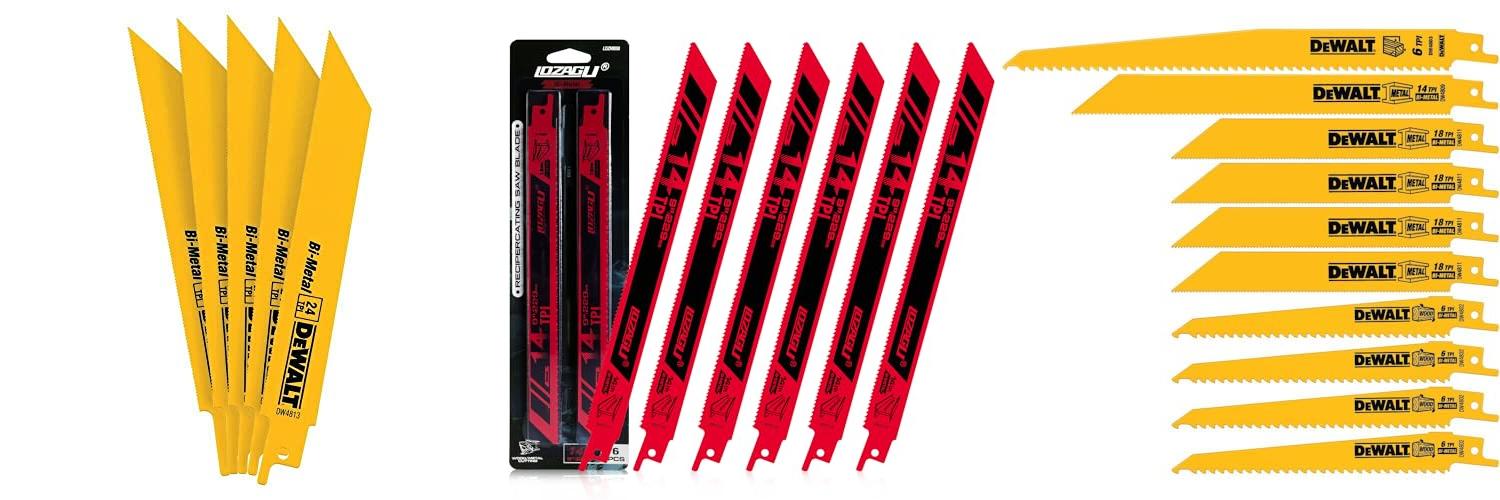
Our Top 5 Reciprocating Saw Blades For Metal Recommendations at a Glance
Top 5 Reciprocating Saw Blades For Metal Detailed Reviews
1. DEWALT Reciprocating Saw Blades

Rating: 9.4/10
The DEWALT Reciprocating Saw Blades, Straight Back, Bi-Metal, 6-Inch 24 TPI, 5-Pack (DW4813) are built tough for your cutting jobs. These blades are made in the USA with global materials. They feature hardened teeth for extra strength and a flexible body so they won’t snap easily. The bi-metal construction makes them both flexible and long-lasting. This pack comes with five 6-inch blades, each with 24 teeth per inch (TPI), perfect for making clean cuts.
What We Like:
- The bi-metal construction offers excellent blade flexibility.
- Hardened teeth ensure maximum durability and a long cutting edge.
- The flexible body design resists breaking, making them reliable.
- Made in the USA with global materials for quality you can trust.
- The 24 TPI is great for making fine, accurate cuts.
What Could Be Improved:
- For very tough demolition, a coarser TPI might be faster.
- These are straight-back blades, so they might not be ideal for plunging into thick materials as easily as some other blade types.
These DEWALT blades are a solid choice for anyone needing dependable cutting performance. You get great durability and flexibility in every blade.
2. LOZAGU 6-Piece Metal Reciprocating Saw Blades

Rating: 9.0/10
Tackle tough metal cutting jobs with the LOZAGU 6-Piece Metal Reciprocating Saw Blades. These 9-inch, 14 TPI bi-metal blades are designed for serious work, cutting through metal pipes, sheets, and rebar with ease.
What We Like:
- These blades cut metal precisely. They have a strong cobalt edge. This helps them cut through sheet metal, pipes, and structural pieces up to 7 inches thick. They also resist bending.
- The blades have a special design. It helps them stay cool when you cut for a long time. This keeps them working well.
- With 14 teeth per inch, these blades cut 30% faster. They last a long time, even in tough demolition jobs.
- Made with strong bi-metal steel and cobalt, these blades are very durable. They resist wear and don’t break easily when cutting thick metal.
- These blades fit most reciprocating saws. The 1/2-inch shank works with all major brands.
What Could Be Improved:
- The description mentions “medium-to-heavy gauge metal applications.” It doesn’t specify if they are suitable for extremely thick or hardened metals.
- While they offer optimized heat dissipation, extended use in the hottest conditions might still require periodic cooling breaks for maximum blade life.
For demanding metal cutting tasks, these LOZAGU blades offer a powerful and reliable solution. They are built to last and deliver impressive cutting speeds.
3. DEWALT Reciprocating Saw Blades

Rating: 8.5/10
The DEWALT Reciprocating Saw Blades, 10 Piece Combination Set (DW4898) offers a versatile collection of blades for all your cutting jobs. This set includes a variety of sizes, making it ready for common tasks. The tough case keeps your blades organized and fits neatly into your toolbox.
What We Like:
- This set gives you many different blades for various projects.
- The blades are made of bi-metal, which means they bend without breaking and stay sharp for a long time.
- The included case protects your blades and stores them neatly, making it easy to find the right one.
- The case is designed to fit well inside your existing power tool kit box, saving space.
What Could Be Improved:
- While the combination set is great for common uses, some very specialized cutting jobs might need specific blades not included here.
- Occasionally, the durability of the case might be a concern for very heavy-duty workshop environments.
This DEWALT blade set is a smart buy for anyone who needs reliable blades for a range of cutting needs.
4. TOLESA Heavy Metal Cutting Reciprocating Saw Blades 9 Inch 14TPI for Pipe

Rating: 9.2/10
Tackle tough metal cutting jobs with the TOLESA Heavy Metal Cutting Reciprocating Saw Blades. This 5-pack of 9-inch, 14TPI bi-metal blades is designed to make cutting through pipes, rebar, and other heavy metals a breeze. They are built tough to handle demanding demolition work.
What We Like:
- These blades cut through sheet metal, metal pipe, and profiles easily.
- The special thin wall and set teeth design helps keep the blades cool and cuts faster.
- With 14 teeth per inch, they cut quickly and last longer than regular blades.
- Made with a special bi-metal material and extra cobalt, these blades are strong and resist wear, so they won’t break easily.
- The 1/2 inch shank fits almost all reciprocating saws from popular brands.
What Could Be Improved:
- While great for medium to thick metal, they might not be the best choice for very thin sheet metal where a finer tooth blade could be better.
These TOLESA blades offer a powerful and reliable solution for your heavy-duty metal cutting needs. You can trust them to get the job done efficiently and safely.
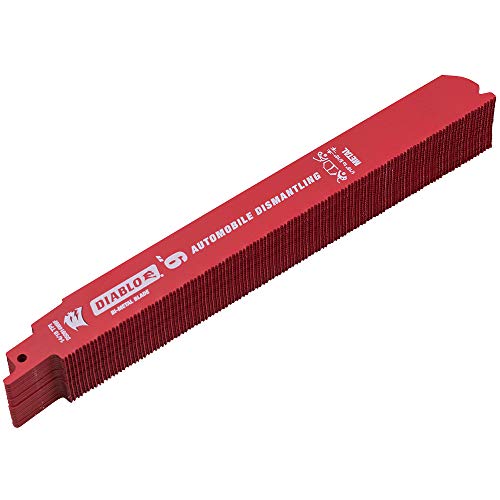
5. 25 Pack 9 inch 14/18 TPI Diablo Steel Demon Bi-Metal Auto Dismantling Reciprocating Saw Blades for 1/16-5/16 Medium Metals
Rating: 8.5/10
When you need to take apart vehicles or other projects with medium-sized metal parts, these Diablo Steel Demon reciprocating saw blades are a fantastic choice. This pack gives you 25 blades, each 9 inches long. They have 14/18 TPI (teeth per inch), which means they’re great for cutting through metal that’s between 1/16 and 5/16 of an inch thick. The bi-metal construction makes them tough and long-lasting, so you can get a lot of work done.
-
What We Like:
- These blades are designed specifically for auto dismantling, making tough jobs easier.
- The bi-metal material offers excellent durability, meaning they will last longer.
- You get a generous pack of 25 blades, which is great value for your money.
- The 14/18 TPI count is well-suited for cutting various medium-thickness metals.
- They are easy to install on most reciprocating saws.
-
What Could Be Improved:
- For very thin or very thick metals, different blades might perform better.
- The “auto dismantling” focus means they might be overkill for some general metal cutting tasks.
For anyone tackling automotive repairs or similar metal cutting projects, this 25-pack of Diablo Steel Demon blades is a solid and cost-effective solution. They deliver the performance you need to get the job done efficiently.
Choosing the Right Reciprocating Saw Blades for Metal
When you need to cut through tough metal, a reciprocating saw is a powerful tool. But even the best saw won’t perform well without the right blade. Choosing the correct reciprocating saw blade for metal is crucial for getting clean cuts, working safely, and making your job easier. This guide will help you pick the perfect blade.
Key Features to Look For
When you’re shopping for metal-cutting blades, keep these important features in mind:
- Tooth Count (TPI): This stands for “teeth per inch.” For metal, you generally want a higher TPI. More teeth mean finer cuts and less snagging on thinner metals. Look for blades with 18 TPI or higher for most metal cutting. Thicker metals might do well with slightly lower TPI, around 14-18.
- Blade Length: Blades come in various lengths. Longer blades let you make deeper cuts. For most general metal cutting, a 6-inch or 8-inch blade is a good choice.
- Blade Thickness: Thicker blades are stronger and less likely to bend or break, especially when cutting thicker metal.
- Tooth Shape: Some blades have pointed teeth, while others have more rounded or aggressive teeth. For metal, teeth that are designed to bite and clear material efficiently are best. Bi-metal blades often have teeth designed for this.
Important Materials
The material of the blade directly affects its durability and cutting ability.
- Bi-Metal: This is the most common and recommended material for cutting metal. Bi-metal blades have a flexible steel body and hardened, high-speed steel (HSS) teeth. This combination makes them tough and long-lasting. The flexible body prevents the blade from snapping.
- High-Speed Steel (HSS): These blades are made entirely of HSS. They are harder than carbon steel blades but can be more brittle. They are good for cutting various metals, but bi-metal is usually a better all-around choice.
- Carbide Grit: Blades with carbide grit are excellent for cutting very hard materials like cast iron or thick pipes. They don’t have traditional teeth but use abrasive grit along the edge.
Factors That Improve or Reduce Quality
Several things make a blade better or worse for cutting metal.
- Heat Resistance: Metal cutting creates heat. Blades made with materials that can withstand high temperatures will last longer and cut better. Bi-metal blades are good at this because of their HSS teeth.
- Flexibility: A blade that can flex without breaking is much safer and more practical. This is why bi-metal blades are popular; their steel body absorbs shock and prevents snapping.
- Tooth Hardness: Harder teeth can cut through tougher metals more easily. HSS and carbide grit offer excellent hardness.
- Poor Welds: If the teeth are not securely welded to the blade body, they can break off quickly. This reduces the blade’s quality and lifespan.
- Incorrect TPI: Using a blade with too few teeth for thin metal will cause it to snag and break. Using a blade with too many teeth for thick metal will make cutting slow and generate excessive heat.
User Experience and Use Cases
When you use the right blade, cutting metal becomes much smoother.
- Clean Cuts: A good metal-cutting blade delivers straight, clean cuts without jagged edges. This means less finishing work for you.
- Durability: You want a blade that lasts. Blades designed for metal, especially bi-metal ones, can handle many cuts before needing replacement.
- Safety: Blades that don’t snap or shatter are safer to use. The flexibility of bi-metal blades contributes greatly to user safety.
- Common Uses:
- Plumbers: Cutting metal pipes like copper, steel, or cast iron.
- Electricians: Cutting metal conduit or junction boxes.
- Demolition: Removing metal fixtures, rebar, or structural elements.
- Metal Fabricators: Cutting sheet metal or metal stock for projects.
- Homeowners: Cutting old metal fencing, bed frames, or other scrap metal.
Using the correct blade for the job ensures your reciprocating saw performs at its best, making your metal-cutting tasks efficient and safe.
Frequently Asked Questions (FAQ) about Reciprocating Saw Blades for Metal
Q: What is TPI and why is it important for metal blades?
A: TPI stands for “teeth per inch.” For metal blades, a higher TPI (like 18 or more) means more teeth per inch. This helps create smoother, cleaner cuts on metal and prevents the blade from snagging, especially on thinner materials.
Q: What is the best material for cutting metal with a reciprocating saw?
A: Bi-metal is generally the best material. It combines a flexible steel body with hard high-speed steel (HSS) teeth, making the blade durable and less likely to break.
Q: Can I use a wood-cutting blade to cut metal?
A: No, you should never use a wood-cutting blade to cut metal. Wood blades have fewer teeth and are not designed for the hardness of metal, which can cause the blade to break, damage the material, or lead to injury.
Q: How do I know if my blade is getting too hot?
A: If your blade is glowing red, smoking excessively, or losing its sharpness quickly, it is likely getting too hot. This can happen when cutting metal, especially if you are using the wrong blade or cutting too fast.
Q: What is the difference between bi-metal and HSS blades?
A: Bi-metal blades have a flexible steel body and hardened HSS teeth, making them tough and resistant to breaking. HSS blades are made entirely of high-speed steel, which is harder but can be more brittle.
Q: How can I make my metal-cutting blades last longer?
A: Use the correct blade for the type and thickness of metal you are cutting. Avoid forcing the blade; let the saw do the work. Keep the blade cool by dipping it in water occasionally if possible, and ensure the teeth are sharp.
Q: Are there special blades for cutting very thick metal?
A: Yes, for very thick or hard metals like cast iron, blades with carbide grit are often recommended. They use abrasive grit instead of teeth to wear away the material.
Q: What does it mean when a blade has “variable pitch” teeth?
A: Variable pitch means the spacing between the teeth changes along the blade. This design helps to clear debris more efficiently and can reduce vibration, leading to smoother cuts on different metal thicknesses.
Q: Should I buy blades in bulk?
A: If you do a lot of metal cutting, buying blades in bulk can save you money. However, make sure you are buying the right type of blade for your common tasks.
Q: How do I safely store my reciprocating saw blades?
A: Store your blades in a dry place, preferably in their original packaging or a blade organizer. This protects the teeth from damage and prevents accidental cuts.
In conclusion, every product has unique features and benefits. We hope this review helps you decide if it meets your needs. An informed choice ensures the best experience.
If you have any questions or feedback, please share them in the comments. Your input helps everyone. Thank you for reading.