
Imagine a garden bursting with vibrant, velvety roses, their sweet fragrance filling the air. But what if your rose bushes look a little sad, with fewer blooms and droopy leaves? You’ve tried everything, but something’s missing. That missing piece is often the right fertilizer!
Choosing the perfect fertilizer for your roses can feel like navigating a maze. So many numbers, so many brands! It’s easy to feel overwhelmed and wonder if you’re even giving your precious plants what they truly need. But don’t worry, we’re here to help you untangle the confusion.
By reading on, you’ll discover the secrets to choosing a fertilizer that will make your roses thrive. We’ll break down what those numbers mean and guide you toward the best options for stunning blooms and healthy growth. Get ready to unlock the potential of your rose garden and enjoy the most beautiful roses you’ve ever grown!
Our Top 5 Fertilizer Roses Recommendations at a Glance
Top 5 Fertilizer Roses Detailed Reviews
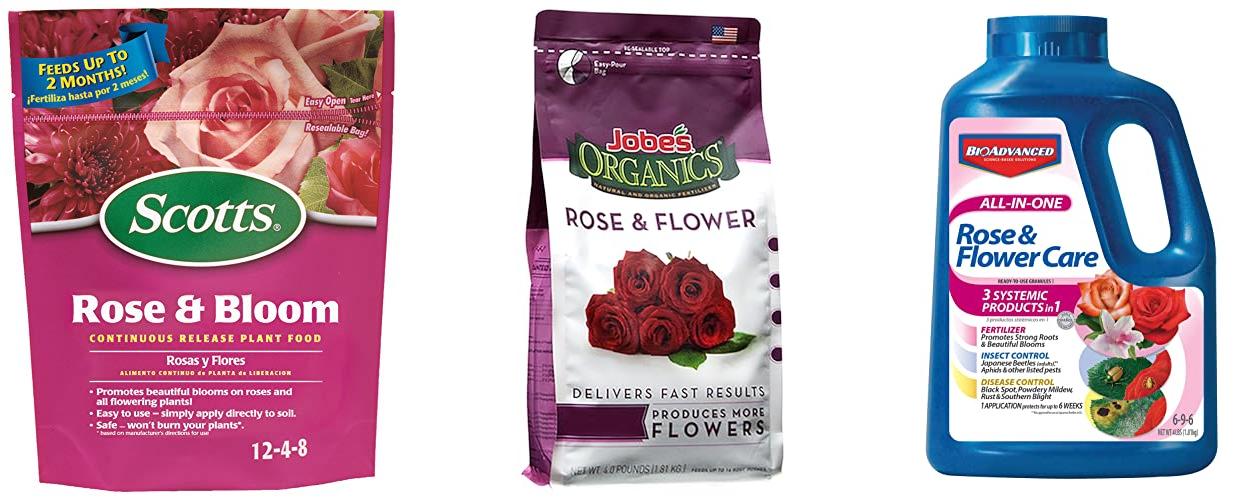
1. Scotts Rose & Bloom Continuous Release Plant Food

Rating: 9.4/10
Want to make your garden burst with color? The Scotts Rose & Bloom Continuous Release Plant Food is your secret weapon! This 3 lb bag is packed with goodness to help your roses, annuals, and perennials produce stunning blooms all season long. It’s designed for steady feeding, meaning your plants get the nutrients they need without a sudden rush. Plus, it’s super easy to use, making it a great choice for gardeners of all levels.
What We Like:
- It steadily feeds your plants, boosting blooms on roses, annuals, and perennials.
- One application feeds your plants for up to 2 months, saving you time.
- It promotes beautiful blooms, making your garden look its best.
- Using it is simple – just sprinkle it on the soil.
- It’s safe for your plants and won’t burn them when you follow the directions.
What Could Be Improved:
- The 3 lb bag size might be a bit small for very large gardens.
- While easy to use, the continuous release might not be ideal for plants with very specific feeding schedules.
This plant food truly makes a difference in plant vibrancy. Get ready to enjoy a more colorful and beautiful garden with minimal effort.
2. Jobe’s Organics Granular Rose Fertilizer

Rating: 8.8/10
Looking for a way to make your flowers the star of the garden? Jobe’s Organics Granular Rose Fertilizer is here to help! This 4-pound bag is packed with organic goodness, perfect for making your roses, hydrangeas, hibiscus, azaleas, and other flowering shrubs burst with color. It’s designed to give your plants exactly what they need for amazing blooms and lush, green leaves without any of the mess or fuss.
What We Like:
- Gives your plants the nutrients they need for lots of beautiful flowers and healthy leaves.
- It’s organic and approved by the USDA, so you know it’s good for your garden and the environment.
- Easy to use – just spread it around your plants every 6 weeks or when they need a boost.
- You can easily measure out the right amount, so you won’t accidentally give your plants too much food.
- It helps prevent wasted fertilizer from washing away, keeping things clean and safe.
- No yucky smells or messy residue to worry about.
What Could Be Improved:
- The 3-4-3 NPK ratio might not be ideal for every single type of flowering plant, so always check what your specific plants prefer.
- While easy to use, it requires consistent application throughout the blooming season.
This fertilizer is a fantastic choice for any gardener wanting vibrant, healthy flowering plants. Get ready for a garden that truly shines!
3. BioAdvanced All-In-One Rose and Flower Care I

Rating: 8.8/10
Tired of battling bugs and diseases that ruin your beautiful flowers? The BioAdvanced All-In-One Rose and Flower Care I Granules are here to help. This handy product does a lot of jobs at once to keep your plants looking their best.
What We Like:
- It’s a plant fertilizer that helps roots grow strong and makes flowers bloom vibrantly.
- It kills many common garden pests like Japanese Beetles and Aphids, protecting your plants.
- It acts as a fungicide, fighting off diseases such as Blackspots and Powdery Mildew.
- The protection lasts for up to 6 weeks, even after it rains, thanks to its rainproof design.
- It’s a granule formula, making it easy to spread around your plants.
What Could Be Improved:
- The 4 lb bag might be a lot for very small gardens, but it’s great for larger ones.
- The specific list of pests and diseases it targets is important to check to make sure it covers your problems.
This all-in-one solution simplifies plant care, giving you more time to enjoy your garden. It’s a good choice for gardeners who want healthy, beautiful flowers with less hassle.
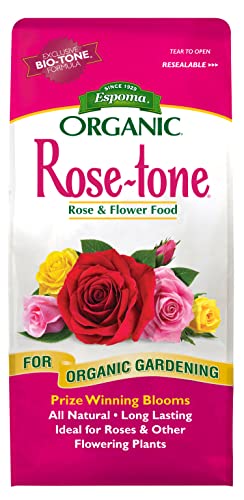
4. Espoma Organic Rose-Tone 4-3-2 Organic Fertilizer for All Types of Roses and Other Flowering Plants. Promotes Vigorous Green Growth and Abundant Blooms. 4 lb. Bag – Pack of 2
Rating: 8.7/10
Unleash the full potential of your garden with Espoma Organic Rose-Tone 4-3-2 Organic Fertilizer. This powerful 4 lb. bag, available in a convenient pack of two, is specially formulated to give all your roses and flowering plants the nutrients they need to thrive. Get ready for healthier plants and a burst of vibrant color!
What We Like:
- It works wonders on all kinds of roses, from classic varieties to tough Knockouts and climbing beauties.
- It’s also fantastic for other flowering plants like viburnum, bougainvillea, and clematis.
- The special Bio-tone formula, along with the 4-3-2 nutrient mix and added calcium, helps plants grow strong and green.
- It’s safe for the environment because it’s made from natural and organic ingredients.
- Using it is super easy – just sprinkle it around your plants once a month during the growing season (May to September) and water. No mixing required!
- It’s approved for organic gardening, so you can feel good about what you’re putting in your soil.
- This product is made in the USA by The Espoma Company, a trusted name in natural gardening since 1929.
What Could Be Improved:
- The bag size is 4 lbs, which might be small for very large gardens.
- While it’s easy to find online, it might not be available in every local garden center.
This fertilizer is a fantastic choice for any gardener looking for healthier, more beautiful blooms. Give your plants the best with Espoma Organic Rose-Tone!
5. Miracle-Gro Water Soluble Rose Plant Food

Rating: 9.3/10
Dreaming of a garden bursting with bigger, more beautiful roses? Miracle-Gro Water Soluble Rose Plant Food is your secret weapon. This easy-to-use formula gets to work right away, feeding your roses instantly. You can use it with your regular watering can or a handy Miracle-Gro Garden Feeder. Just feed your roses every 7 to 14 days for the best results. Plus, you can be confident it won’t harm your plants when you follow the directions.
What We Like:
- Promotes bigger, more beautiful roses compared to not feeding them.
- Starts feeding your plants right away for quick results.
- Works with simple watering cans or the Miracle-Gro Garden Feeder.
- Guaranteed safe for your roses when used as directed – no burning!
- The 1.5 lb size offers a good amount of plant food for your garden.
What Could Be Improved:
- Requires regular application every 7-14 days, which might be a bit of a chore for some gardeners.
- The “miracle” aspect might set very high expectations, and results can still vary based on other growing conditions.
For a vibrant rose garden, this plant food is a fantastic and reliable choice. It delivers on its promise of healthier, more stunning blooms with minimal fuss.
Grow Gorgeous Roses: Your Essential Buying Guide
Want to grow the most beautiful roses in your neighborhood? The secret weapon is the right fertilizer! Choosing the best fertilizer for your roses makes a big difference. It helps them bloom more, stay healthy, and fight off bugs and diseases. This guide will help you pick the perfect food for your precious plants.
Key Features to Look For in Rose Fertilizer
When you’re shopping for rose fertilizer, keep an eye out for these important features:
1. The N-P-K Ratio: The Magic Numbers
You’ll see three numbers on every fertilizer bag, like 10-10-10 or 4-6-4. These are called the N-P-K ratio.
- N (Nitrogen): This helps your rose bushes grow green leaves.
- P (Phosphorus): This encourages strong roots and lots of beautiful blooms.
- K (Potassium): This helps your roses stay strong and healthy, making them better at dealing with stress and sickness.
For roses, a balanced ratio or one with a bit more phosphorus is usually best. Look for something around 4-6-4 or 5-10-5.
2. Slow-Release vs. Quick-Release
- Slow-Release: These fertilizers feed your roses over a longer time. They are great because you don’t have to fertilize as often. They also help prevent burning the roots.
- Quick-Release: These give your roses a fast boost. Use them when your roses need a quick pick-me-up, but be careful not to use too much.
3. Organic vs. Synthetic
- Organic: These fertilizers come from natural sources like compost, manure, or bone meal. They improve the soil over time and are gentle on plants.
- Synthetic: These are made in a lab. They give plants nutrients quickly.
Important Materials to Consider
Good rose fertilizers often contain these helpful ingredients:
- Micronutrients: Things like iron, magnesium, and calcium are like vitamins for your roses. They help prevent yellowing leaves and promote strong growth.
- Humic Acid: This helps your soil hold water and nutrients better, making them easier for your roses to absorb.
Factors That Improve or Reduce Quality
The quality of your rose fertilizer can be affected by a few things:
- Nutrient Balance: A fertilizer with the right mix of N-P-K and micronutrients will give your roses the best results.
- Ingredient Source: Organic ingredients are often seen as higher quality because they also feed the soil.
- Formulation: Granular fertilizers are easy to spread. Liquid fertilizers are absorbed quickly by the plant.
Using too much fertilizer can actually harm your roses. It can burn their roots and damage the leaves. Always follow the instructions on the package.
User Experience and Use Cases
People who use good rose fertilizer often see amazing results. Their roses grow bigger, produce more flowers, and have a richer color.
- For New Gardeners: Simple, balanced fertilizers are a great starting point. They are forgiving if you make a small mistake.
- For Experienced Gardeners: You might choose specialized fertilizers to address specific needs, like boosting bloom production or improving soil health.
You’ll typically fertilize your roses a few times during the growing season, usually in spring, early summer, and late summer.
Frequently Asked Questions About Rose Fertilizer
Q: What is the best N-P-K ratio for roses?
A: A balanced ratio like 4-6-4 or 5-10-5 is often great for roses. It helps with leaves, roots, and blooms.
Q: Should I use organic or synthetic fertilizer for my roses?
A: Both work! Organic fertilizers are good for soil health over time. Synthetic fertilizers give a faster boost. Many gardeners like to use a mix.
Q: How often should I fertilize my roses?
A: Usually, you fertilize three times during the growing season: in spring, early summer, and late summer. Always check the product instructions.
Q: Can I use regular plant fertilizer on my roses?
A: Yes, you can use a general-purpose fertilizer, but a fertilizer made specifically for roses often gives better results. Rose fertilizers have the right nutrients they need most.
Q: What does “slow-release” fertilizer mean?
A: Slow-release fertilizer feeds your roses gradually over time. This means you don’t have to fertilize as often and it’s less likely to harm the roots.
Q: How do I know if my roses need fertilizer?
A: Look for signs like slow growth, pale or yellow leaves, and fewer blooms than usual. These can mean your roses are hungry.
Q: What are micronutrients in fertilizer?
A: Micronutrients are like vitamins for your plants. They include things like iron and magnesium, which help keep leaves green and plants healthy.
Q: Can I fertilize my roses in the fall?
A: It’s generally best to stop fertilizing roses in late summer or early fall. This helps them prepare for winter rest. Fertilizing too late can encourage new growth that might be damaged by frost.
Q: What happens if I use too much fertilizer?
A: Using too much fertilizer can burn the roots of your roses and damage their leaves. It can also cause too much leafy growth and fewer flowers. Always follow the directions on the package.
Q: Where should I apply rose fertilizer?
A: You should apply the fertilizer around the base of the rose bush, out to the edge of the plant’s drip line (where the outermost branches end). Try not to let it touch the stem directly.
In conclusion, every product has unique features and benefits. We hope this review helps you decide if it meets your needs. An informed choice ensures the best experience.
If you have any questions or feedback, please share them in the comments. Your input helps everyone. Thank you for reading.