
Imagine: Your rose bushes are covered in beautiful, vibrant blooms, their fragrance filling the air. But what if yours are looking a little sad, with fewer flowers and duller leaves? It’s a common frustration for many gardeners. You want your roses to be the stars of your garden, but sometimes, they just don’t seem to reach their full potential.
Choosing the right fertilizer can feel like a puzzle. You see bags with numbers and fancy names, and it’s easy to feel overwhelmed. Will this one make your roses grow too fast? Will that one harm them? The wrong choice can lead to weak plants, fewer blooms, or even damaged roots, leaving you disappointed with your efforts.
But don’t worry! This post is here to help. We’ll break down what your rose plants truly need to thrive. By the end, you’ll understand the secrets to feeding your roses so they can produce those show-stopping flowers you dream of. Get ready to transform your rose garden from ordinary to extraordinary!
Our Top 5 Fertilizer For Rose Plant Recommendations at a Glance
Top 5 Fertilizer For Rose Plant Detailed Reviews
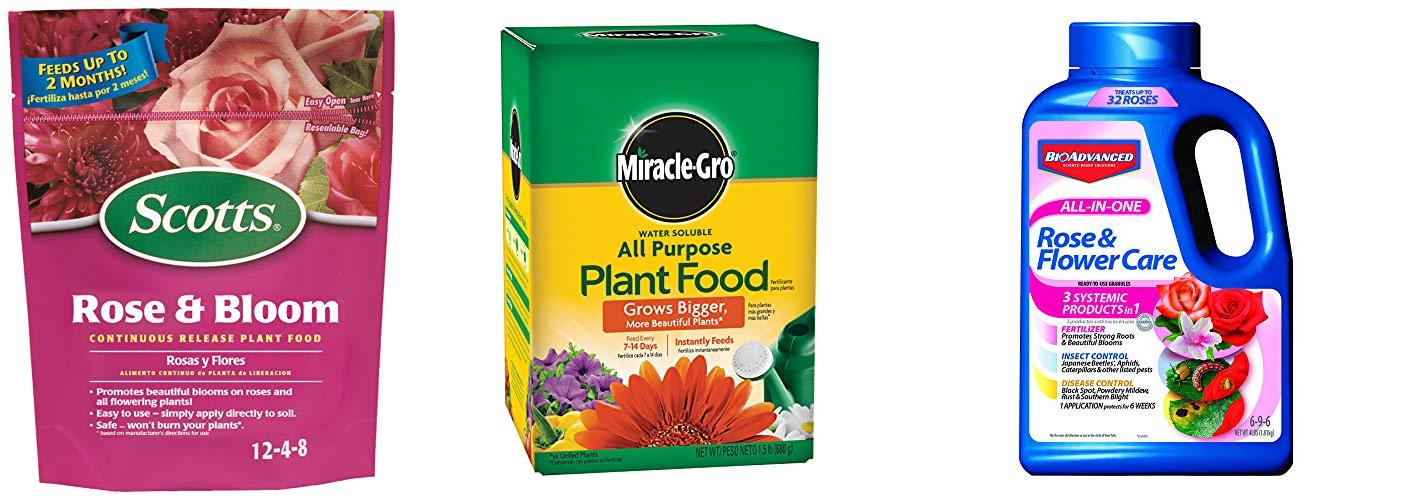
1. Scotts Rose & Bloom Continuous Release Plant Food

Rating: 8.9/10
Want more beautiful flowers in your garden? The Scotts Rose & Bloom Continuous Release Plant Food, 3 lb is here to help. This plant food gives your roses, annuals, and perennials the steady food they need to grow big and bloom bright. It works for up to two months, making it a long-lasting choice for busy gardeners. Get ready for a garden full of color and life!
What We Like:
- It makes roses and other flowering plants produce more beautiful blooms.
- It feeds your plants for as long as 2 months, so you don’t have to worry about feeding them often.
- Using it is super easy. You just sprinkle it on the soil around your plants.
- It’s safe for your plants. It won’t burn them if you follow the instructions.
What Could Be Improved:
- The 3 lb bag might not be enough for very large gardens.
- While easy to use, it requires a separate watering step after application for best results, which could be an extra task for some.
This plant food is a simple way to achieve a more vibrant and blooming garden. Give your plants the nourishment they deserve for stunning results.
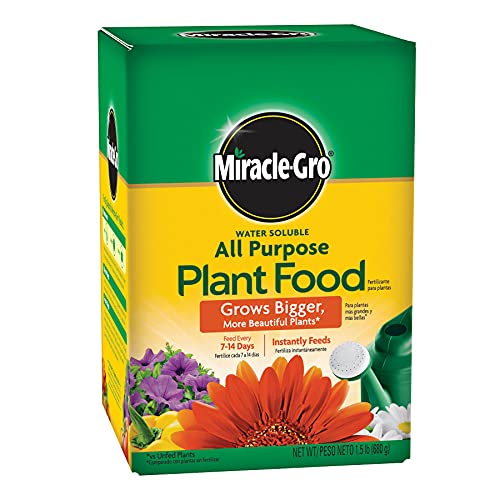
2. Miracle-Gro Water Soluble All Purpose Plant Food
Rating: 9.1/10
Tired of plants that look a little sad? The Miracle-Gro Water Soluble All Purpose Plant Food is a secret weapon for gardeners of all levels. This easy-to-use food works wonders on practically every plant you own, from your vibrant roses and tasty vegetables to your leafy houseplants and sturdy trees. It’s designed to give your plants the boost they need to grow bigger and more beautiful, and you’ll see the difference quickly.
What We Like:
- This plant food works for all your plants, indoors and out.
- It helps your plants grow bigger and look more beautiful.
- It starts working fast, giving you quick results.
- The NPK (24-8-16) provides essential nutrients for healthy growth.
- It’s easy to mix and apply with a watering can or a garden feeder.
- One container covers a large area, so it’s a great value.
What Could Be Improved:
- The mixing instructions for indoor and outdoor plants are different, which might require a quick look at the label.
This Miracle-Gro plant food is a fantastic way to keep all your plants happy and healthy. Give it a try, and watch your garden flourish!
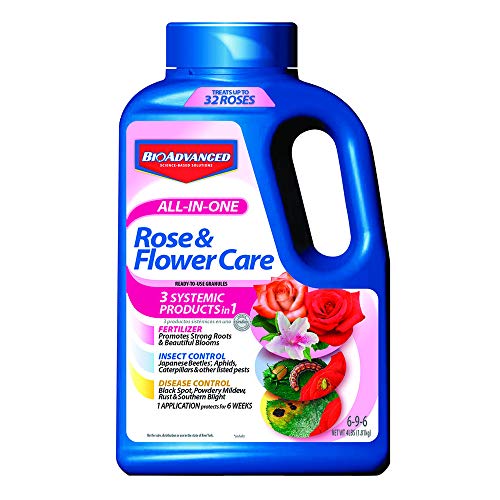
3. BioAdvanced All-In-One Rose and Flower Care Fertilizer
Rating: 8.7/10
Tired of battling bugs and diseases while trying to get your roses and flowers to bloom? The BioAdvanced All-In-One Rose and Flower Care Fertilizer is a game-changer for any gardener. This 4 lb bag of granules offers a powerful solution to keep your beloved plants healthy and vibrant. It’s designed to feed your plants, protect them from common pests, and fight off pesky diseases.
What We Like:
- This product is a plant food that helps roses, hibiscus, irises, and other flowers grow strong roots and produce beautiful blooms. It gives your plants the nutrients they need for vibrant colors.
- It acts as an insect killer, shielding your plants from common pests like adelgids, aphids, and whiteflies. You won’t have to worry about these tiny invaders harming your flowers.
- The fertilizer also provides disease control for common problems like Black Spot and Powdery Mildew. This helps keep your garden looking its best all season long.
- It offers rainproof protection for up to 6 weeks. Once applied, rain won’t wash away its protective power.
- Application is super easy. You just measure the granules and spread them around the base of your plants. No complicated steps are needed.
What Could Be Improved:
- The 4 lb bag size might be too small for very large gardens. You might need multiple bags for extensive flower beds.
- While it covers many common pests and diseases, it may not address every single problem a plant could face.
Overall, this all-in-one solution simplifies plant care significantly. It’s a fantastic way to ensure your flowers thrive with minimal effort.
4. Miracle-Gro Water Soluble Rose Plant Food

Rating: 8.6/10
Dreaming of a rose garden bursting with vibrant color and impressive blooms? The Miracle-Gro Water Soluble Rose Plant Food, 1.5 lb is your secret weapon. This specially formulated plant food is designed to give your roses the nutrients they crave, helping them grow bigger and more beautiful than ever before. It’s easy to use and starts working right away, so you’ll see the difference in no time.
What We Like:
- It makes your roses grow bigger and more beautiful.
- The food starts feeding your plants right away.
- You can feed your roses every 7 to 14 days.
- It works with a Miracle-Gro Garden Feeder or any watering can.
- It’s guaranteed not to burn your plants when you follow the directions.
What Could Be Improved:
- The instructions for mixing could be a little clearer for beginners.
- More information on specific rose types that benefit the most would be helpful.
This rose food is a fantastic choice for anyone wanting to enhance their rose bushes. You’ll enjoy a more stunning and healthier rose garden with minimal effort.
5. Great Big Roses – Soil and Rose Fertilizer Booster to Grow The Best Roses and Flowers; Rose Food Compost Extract for Rose Bush

Rating: 8.9/10
Dreaming of bigger, more vibrant roses? The Great Big Roses Soil and Rose Fertilizer Booster is here to help your garden bloom. This concentrated formula is designed to give your rose bushes and other flowers the boost they need for amazing growth and stunning blooms. It’s like giving your plants a superfood smoothie!
What We Like:
- It makes your soil healthier. This means your plants can grow stronger.
- It helps your rose fertilizer work better. Your plants can use more of the good stuff from fertilizer.
- It has special ingredients. These include humic acids, 70+ trace minerals, and seaweed.
- It starts working fast. You’ll see results quickly because it goes right to the roots.
- It’s super easy to use. You just mix it with water and pour it around your plants. No messy digging needed!
- It’s good for the earth. It’s approved for organic gardening and made in the USA by a family business.
What Could Be Improved:
- The concentrate makes 8 gallons, which is a good amount, but larger gardens might need more.
- The instructions are clear, but some users might prefer very precise measurements for every plant size.
This booster is a fantastic way to give your roses and flowers the best possible start. Get ready for a garden that truly wows!
Choosing the Best Fertilizer for Your Rose Plants
Roses are beautiful flowers. They need good food to grow strong and bloom vibrantly. This guide helps you pick the right fertilizer for your rose plants.
What to Look For in Rose Fertilizers
When you’re looking at fertilizers, some things are more important than others.
Key Features to Look For:
- NPK Ratio: This is the most important thing. NPK stands for Nitrogen (N), Phosphorus (P), and Potassium (K). These are the three main nutrients roses need.
- Nitrogen (N): Helps with leafy growth. It makes the green parts of your rose plant strong.
- Phosphorus (P): Helps with roots and blooms. It helps your roses grow more flowers and have strong roots.
- Potassium (K): Helps the whole plant stay healthy. It makes your rose plant better at fighting off sickness and heat.
- A good starting point for roses is an NPK ratio like 5-10-10 or 10-10-10. Some fertilizers might have higher numbers for certain nutrients.
- Micronutrients: Roses also need small amounts of other nutrients like iron, magnesium, and zinc. Good fertilizers include these. Iron is especially important for keeping rose leaves green.
- Slow-Release vs. Quick-Release:
- Slow-release fertilizers feed your plants over a longer time. You don’t have to fertilize as often. This is good for busy gardeners.
- Quick-release fertilizers work fast. They give your plants a quick boost. You need to use them more often.
- Organic vs. Synthetic:
- Organic fertilizers come from natural sources like compost, manure, or bone meal. They improve the soil over time. They are gentle on plants.
- Synthetic fertilizers are made in a lab. They provide nutrients directly to the plant. They can be very effective but can also harm the soil if used too much.
Important Materials in Rose Fertilizers:
- Nitrogen: Often comes from urea, ammonium nitrate, or organic sources like blood meal.
- Phosphorus: Often comes from rock phosphate or bone meal.
- Potassium: Often comes from potassium sulfate or muriate of potash.
- Micronutrients: Can be added as sulfates or chelated forms (which are easier for plants to absorb).
What Makes Fertilizer Better or Worse?
Not all fertilizers are created equal. Some things can make a fertilizer work better or not as well.
Factors that Improve Quality:
- Balanced NPK: A fertilizer with a good balance of N, P, and K for roses is key.
- Inclusion of Micronutrients: The more helpful micronutrients, the better.
- Slow-Release Formula: This provides steady feeding and is often easier to use correctly.
- Good Reviews: What other gardeners say about a fertilizer can tell you a lot.
Factors that Reduce Quality:
- Wrong NPK Ratio: Too much of one nutrient can harm the plant. For example, too much nitrogen can lead to lots of leaves but few flowers.
- Lack of Micronutrients: Your roses might show signs of deficiency, like yellow leaves.
- Burning Potential: Some quick-release fertilizers can burn the roots if too much is applied.
- Low-Quality Ingredients: If the ingredients aren’t good, the plant won’t get the nutrients it needs effectively.
User Experience and How to Use Fertilizers
How people use fertilizer and how easy it is to use matters.
User Experience:
- Ease of Application: Is it a liquid you mix, a granular one you sprinkle, or a spike you push into the ground? Some are easier than others.
- Clarity of Instructions: Does the bag or bottle clearly explain how much to use and when?
- Results: Do gardeners see healthier plants and more blooms after using it?
Use Cases:
- New Plantings: Fertilize when planting to give your rose a good start.
- Established Plants: Feed your roses regularly during the growing season (spring through fall).
- Boosting Blooms: Use a fertilizer with higher phosphorus before blooming season to encourage more flowers.
- Sick or Stressed Plants: A balanced fertilizer can help a struggling rose recover.
Frequently Asked Questions about Rose Fertilizers
Q1: What is the best NPK ratio for roses?
A1: A good starting point is an NPK ratio like 5-10-10 or 10-10-10. This provides a balanced mix of nutrients.
Q2: Should I use organic or synthetic fertilizer for my roses?
A2: Both can work. Organic fertilizers improve soil over time and are gentle. Synthetic fertilizers provide nutrients quickly. Choose what fits your gardening style.
Q3: How often should I fertilize my roses?
A3: Most roses benefit from fertilizing every 4-6 weeks during the growing season, from spring to fall. Follow the instructions on your fertilizer package.
Q4: What does “slow-release” fertilizer mean?
A4: Slow-release fertilizer feeds your plants nutrients gradually over a long period. This means you don’t have to fertilize as often.
Q5: Can I over-fertilize my roses?
A5: Yes, you can. Too much fertilizer can burn the roots and harm your rose plant. Always follow the directions carefully.
Q6: My rose leaves are turning yellow. What should I do?
A6: Yellow leaves can mean a lack of nutrients, especially iron. Using a balanced fertilizer that includes micronutrients can help. Make sure your soil is not too wet.
Q7: When is the best time to fertilize roses?
A7: Fertilize when new growth appears in spring. Continue fertilizing every 4-6 weeks until late summer or early fall, before the first frost.
Q8: Do roses need special fertilizer?
A8: Roses benefit from fertilizers specifically formulated for them or a balanced plant food. These usually have the right NPK ratio and micronutrients.
Q9: Can I use a general-purpose fertilizer on my roses?
A9: Yes, a general-purpose fertilizer with a balanced NPK ratio can work. However, a fertilizer made for roses might give even better results because it has the right nutrients.
Q10: How do I apply granular fertilizer?
A10: Sprinkle the granules around the base of the rose plant, keeping them a few inches away from the stem. Water the plant well after applying.
In conclusion, every product has unique features and benefits. We hope this review helps you decide if it meets your needs. An informed choice ensures the best experience.
If you have any questions or feedback, please share them in the comments. Your input helps everyone. Thank you for reading.