
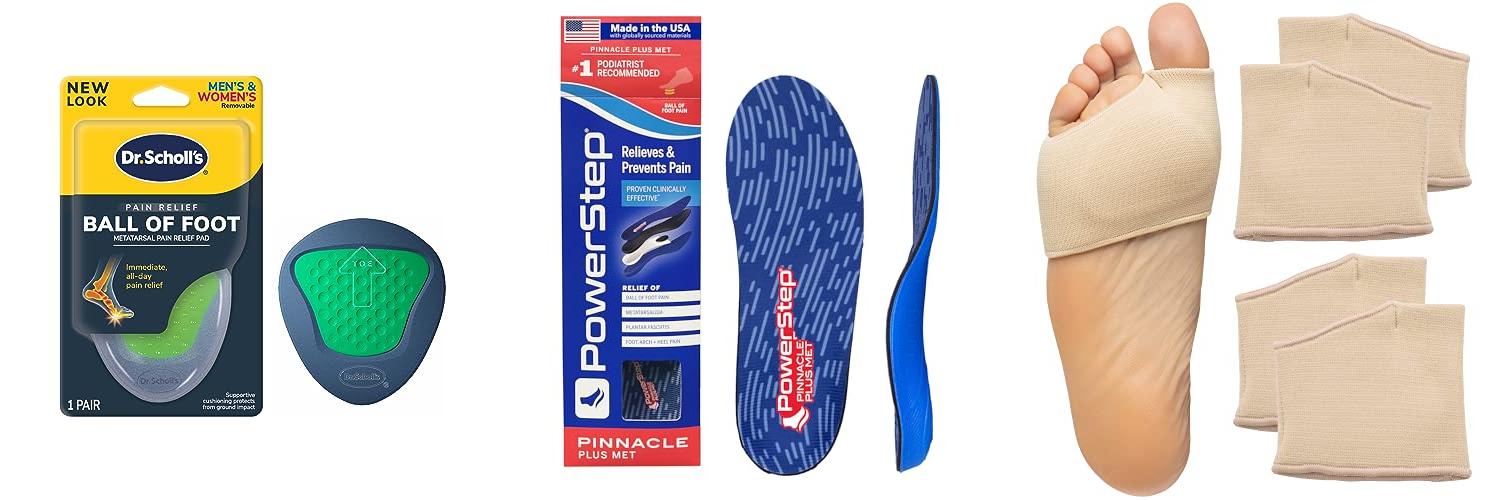
Does that sharp, burning sensation in the ball of your foot stop you in your tracks? You’re not alone. So many of us experience this discomfort, especially after a long day on our feet or when wearing certain shoes. It can make even simple activities, like walking to the store or enjoying a night out, feel like a chore.
Finding the right shoes when your ball of foot hurts can be a real challenge. It feels like everything is either too stiff, too flat, or just doesn’t offer the support you need. You might be tired of trying on pair after pair, only to find they make the pain worse. It’s frustrating when you want to be comfortable and active, but your feet have other ideas.
But don’t worry! This post is here to help. We’ll break down what makes a shoe great for ball of foot pain. You’ll learn about the key features to look for, discover helpful tips for choosing the best styles, and get ready to walk with more comfort and less pain. Let’s dive in and find the perfect pair for you!
Our Top 5 Shoes For Ball Of Foot Pain Recommendations at a Glance
Top 5 Shoes For Ball Of Foot Pain Detailed Reviews
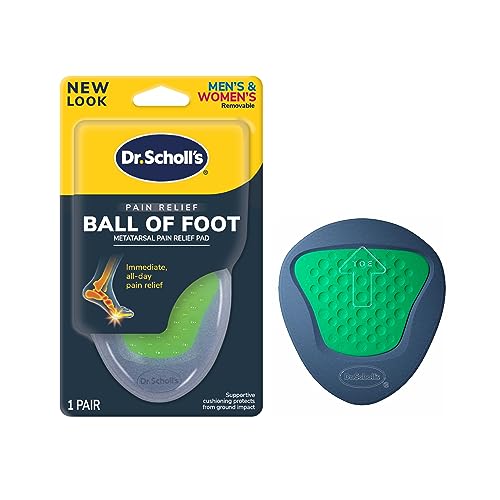
1. Dr. Scholl’s Pain Relief Orthotics for Ball of Foot Pain
Rating: 9.3/10
Tired of that achy, burning feeling right under the ball of your foot? Dr. Scholl’s Pain Relief Orthotics are here to help. These special inserts are designed to give you immediate relief and keep your feet comfortable all day long. They’re made to fit just about any shoe, so you don’t need to cut them or worry about them not fitting. Just stick them in and go!
What We Like:
- They offer instant pain relief that lasts all day.
- The soft cushioning protects the ball of your foot from hard impacts.
- They are scientifically designed to lift your foot bones and move pressure away from the painful area.
- They help prevent common foot problems like calluses, metatarsalgia, and Morton’s neuroma.
- No trimming is needed, and they fit in almost any shoe.
- The sticky backing keeps them from sliding around in your shoe.
What Could Be Improved:
- The “one size fits all” might not be perfect for everyone’s unique foot shape, potentially leading to a slightly less snug fit for some.
- While they aim for all-day relief, very long or intense activities might still cause some discomfort for users with severe pain.
If you’re struggling with ball of foot pain, these Dr. Scholl’s orthotics are a simple and effective solution. Give your feet the support and comfort they deserve.
2. PowerStep Pinnacle Plus Ball of Foot Pain Relief Orthotics – Shoe Inserts for Metatarsalgia

Rating: 8.6/10
Tired of that nagging pain in the ball of your foot? The PowerStep Pinnacle Plus Ball of Foot Pain Relief Orthotics are designed to bring you comfort and support. These full-length shoe inserts offer total contact support and feature a special metatarsal pad. This pad helps ease pain from conditions like metatarsalgia and Morton’s neuroma. Plus, the top fabric helps control odor and reduces heat and sweat, keeping your feet feeling fresh.
What We Like:
- The built-in metatarsal pad is a game-changer for ball of foot pain.
- Dual-layer cushioning provides comfort from your heel to your toes.
- The contoured arch support offers a unique and effective design.
- They strike a great balance between feeling comfortable and providing solid support.
- Made in the USA with a 60-day guarantee and a lifetime warranty on the arch support casing.
- The odor control top fabric is a nice bonus for keeping feet dry and fresh.
What Could Be Improved:
- The sizing might require careful checking to ensure the best fit (e.g., M 5-5.5, F 7-7.5).
- While firm, some users might prefer even more flexibility depending on their needs.
These insoles offer targeted relief for common foot pain issues. They aim to help you move more comfortably throughout your day.
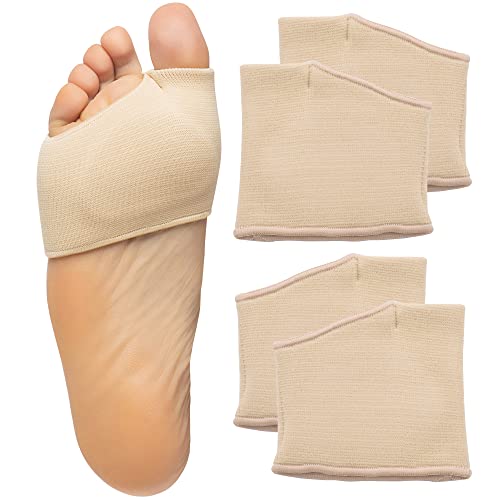
3. ZenToes Metatarsal Pads for Men and Women – Ball of Foot Pain Relief Cushions for Sesamoiditis
Rating: 8.9/10
Tired of that aching feeling in the ball of your foot? The ZenToes Metatarsal Pads are here to help! These clever sleeves are designed to cushion and support your forefoot, offering relief from common issues like metatarsalgia, Morton’s neuroma, and sesamoiditis. Whether you’re hitting the pavement for a run, standing for long hours at work, or just going about your day, these pads aim to make your feet feel better.
What We Like:
- They offer all-day support for the ball of your foot, helping to ease pain from various conditions.
- The slim, shoe-friendly design means you can wear them discreetly in almost any shoe, from sneakers to heels.
- You can get a custom fit with three different sizes, ensuring they stay comfortably in place.
- These pads are washable and reusable, saving you money and reducing waste compared to disposable options.
- The breathable fabric keeps your feet cool and dry, even during long wear or physical activity.
What Could Be Improved:
- While available in Medium, some users might find specific sizing a bit tricky without trying them on.
- The beige color is neutral, but a wider range of color options could be a nice addition for those who want to match specific shoes.
These ZenToes Metatarsal Pads provide a comfortable and practical solution for common foot pain. They’re a smart choice for anyone seeking relief and better foot support throughout their day.
4. KTSAY 2 Pairs Metatarsal Pads with Gel Pad for Women and Men

Rating: 9.2/10
Tired of foot pain holding you back? These KTSAY Metatarsal Pads are designed to bring relief to both women and men. They offer support and cushioning right where you need it most, on the ball of your foot. Unlike full insoles, these pads wrap around your foot for a snug, protective fit, helping to ease discomfort from long days, exercise, or even wearing high heels.
What We Like:
- These pads offer great support and comfort for the entire forefoot.
- They effectively reduce pain from standing, exercise, and dancing.
- The gel pads help protect your foot from pressure and shock, especially the fragile sesamoids and metatarsals.
- You can easily clean and reuse them with soap and warm water.
- They fit comfortably in various shoe types like running shoes and casual shoes.
- The pads provide excellent weight distribution and shock absorption.
What Could Be Improved:
- The sizing recommendations might require careful consideration to find the perfect fit.
- If you are between sizes, choosing the smaller one is recommended, which could be a bit tricky.
If you’re seeking comfort and pain relief for your feet, these metatarsal pads are a solid choice. They offer a simple and effective way to protect your feet and keep you moving comfortably throughout the day.
5. FOMIBOBRI Metatarsal Pads 12 Pack Ball of Foot Cushions for Women & Men Gel Soft Foot Pad to Relieve Pain

Rating: 9.0/10
Step into comfort with the FOMIBOBRI Metatarsal Pads, a 12-pack of gel soft foot cushions designed to bring relief to both women and men. These pads are a fantastic solution for anyone who loves to wear stylish shoes but suffers from the discomfort and pain that can come with them. They target the ball of your foot, offering much-needed cushioning and support.
What We Like:
- They effectively relieve pain and pressure on the ball of your foot, making it possible to wear fashionable shoes without suffering.
- These cushions protect your feet from injuries by reducing the direct impact between your foot and your shoes.
- They help alleviate pain from common foot issues like calluses, bunions, and Morton’s neuromas.
- Made from high-quality, breathable materials, they keep your feet comfortable even after long periods of use.
- The honeycomb design promotes excellent breathability, and the three separate holes offer a secure, non-slip fit.
- The pads are flexible and designed to fit a wide range of foot sizes, making them a versatile choice.
- You get a generous 12-pack, offering great value for yourself or as a thoughtful gift for friends.
- The company offers professional customer service to help with any questions or concerns.
What Could Be Improved:
- While they fit a wide range of sizes, individuals with very narrow or very wide feet might find the fit less precise.
- The gel material, while soft, might require some adjustment to get used to the feel within certain shoes.
These metatarsal pads offer a simple yet effective way to enhance foot comfort and reduce pain. They are a worthy investment for anyone seeking relief and the freedom to wear their favorite shoes without worry.
Finding Relief: Your Guide to Shoes for Ball of Foot Pain
Ball of foot pain, also called metatarsalgia, can make every step feel like a chore. It’s that burning, aching, or sharp pain right behind your toes. But don’t worry! The right shoes can make a huge difference. This guide will help you pick shoes that bring you comfort and keep you moving.
Key Features to Look For
When you’re shopping for shoes to ease ball of foot pain, keep these important features in mind:
- Cushioning: This is super important! Look for shoes with plenty of soft padding in the forefoot area. This padding absorbs shock when you walk or stand. It’s like having little pillows for your feet.
- Arch Support: Good arch support helps spread your weight evenly across your foot. This takes pressure off the ball of your foot.
- Wide Toe Box: Your toes need room to wiggle! A wide toe box prevents them from being squeezed together. This also helps reduce pressure on the metatarsal bones.
- Rocker Sole: Some shoes have a rounded sole, like a rocking chair. This design helps your foot roll forward smoothly as you walk. It reduces the amount of pressure your forefoot has to take.
- Removable Insoles: This is a great feature. It lets you swap out the shoe’s insole for your own custom orthotics or thicker, more supportive inserts if you need them.
Important Materials
The materials your shoes are made of play a big role in comfort and support.
- Uppers: Soft, breathable materials like mesh, leather, or knit fabrics are best. They mold to your foot and prevent rubbing. Avoid stiff or scratchy materials.
- Midsoles: This is the layer between the outsole and the upper. Look for EVA (ethylene vinyl acetate) or PU (polyurethane) foam. These materials offer excellent shock absorption and cushioning.
- Outsoles: Rubber outsoles provide good grip and durability. They should also be flexible enough to allow natural foot movement.
Factors That Improve or Reduce Quality
Not all shoes are created equal. Here’s what can make a shoe great or not so great for your feet.
- Improved Quality:
- Brand Reputation: Some brands specialize in comfort and support. Doing a little research can point you to reliable choices.
- Construction: Well-made shoes often have reinforced stitching and a strong bond between the sole and upper. This means they’ll last longer and provide consistent support.
- Fit: The best shoes are those that fit your foot perfectly. Make sure there’s enough room in the toe box and that the heel doesn’t slip.
- Reduced Quality:
- Thin Soles: Shoes with very thin, hard soles offer little to no cushioning. This can make your pain worse.
- High Heels or Stilettos: These shoes push all your weight onto the ball of your foot. They are a definite no-go for metatarsalgia.
- Pointy or Narrow Toe Boxes: These shoes cram your toes together and put excessive pressure on the forefoot.
- Lack of Arch Support: If a shoe feels flat inside, it probably doesn’t offer the support your arches need.
User Experience and Use Cases
Think about how and when you’ll wear these shoes. Your daily activities matter!
- Everyday Wear: For walking around town, running errands, or just daily life, look for comfortable sneakers, supportive walking shoes, or even certain types of flats with good cushioning.
- Work: If your job involves a lot of standing or walking, you’ll need shoes that offer maximum support throughout the day. Many brands offer professional-looking shoes with hidden comfort features.
- Exercise: For light exercise like walking or gym workouts, choose athletic shoes designed for shock absorption and stability.
Remember, finding the right shoe is a personal journey. What works for one person might not work for another. Don’t be afraid to try on different styles and brands until you find the perfect fit for your feet.
Frequently Asked Questions (FAQ)
Q: What is the main cause of ball of foot pain?
A: The main cause is often too much pressure on the ball of your foot. This can happen from wearing high heels, tight shoes, or activities that involve a lot of running or jumping.
Q: What kind of shoes should I avoid?
A: You should avoid high heels, pointed-toe shoes, shoes with very thin soles, and flimsy ballet flats. These shoes often put too much pressure on your forefoot.
Q: Can I wear sandals if I have ball of foot pain?
A: Some sandals can be okay if they have good cushioning and arch support. Avoid flat flip-flops or sandals with no support.
Q: How much cushioning is enough?
A: You want to feel a noticeable softness and shock absorption when you press down on the sole. It should feel like it’s giving way slightly without being mushy.
Q: Do I need a special kind of insole?
A: You might benefit from insoles designed for metatarsalgia, often called orthotics. They can provide extra cushioning and support. Removable insoles in your shoes make this easy.
Q: How do I know if a shoe has good arch support?
A: When you try on a shoe, it should feel like it supports the curve of your arch. You can also look for shoes that mention arch support in their description or have a contoured footbed.
Q: Can I wear my old, comfortable shoes?
A: Even comfortable shoes wear out. If your favorite shoes are old, the cushioning and support might be gone. It’s time for a new pair if they no longer feel supportive.
Q: Are expensive shoes always better?
A: Not necessarily. While some expensive shoes offer great features, there are also affordable options that provide excellent comfort and support. Focus on the key features, not just the price tag.
Q: What if my pain doesn’t go away with new shoes?
A: If your pain continues even after wearing supportive shoes, it’s a good idea to see a doctor or a podiatrist. They can diagnose the exact cause and recommend the best treatment.
Q: How often should I replace my supportive shoes?
A: Generally, supportive shoes should be replaced every 300-500 miles of walking or running, or about every 6-12 months if worn regularly. You’ll notice the cushioning and support start to decrease.
In conclusion, every product has unique features and benefits. We hope this review helps you decide if it meets your needs. An informed choice ensures the best experience.
If you have any questions or feedback, please share them in the comments. Your input helps everyone. Thank you for reading.