
Do you dream of bougainvillea bursting with vibrant colors, a cascade of blossoms that stops passersby in their tracks? Many gardeners do, but achieving that spectacular display can be a challenge. It’s easy to feel overwhelmed when faced with the sheer variety of fertilizers on the market. You want to give your beautiful bougainvillea the best, but which one is truly the right choice?
Choosing the wrong fertilizer can lead to disappointing results – fewer flowers, weak growth, or even unhappy plants. This is where understanding what your bougainvillea truly needs becomes crucial. By the end of this post, you’ll know exactly what to look for in a fertilizer to unlock your bougainvillea’s full blooming potential.
We’ll break down the essentials, making it simple to pick the perfect food for your flowering vine. Get ready to transform your bougainvillea from just pretty to absolutely breathtaking!
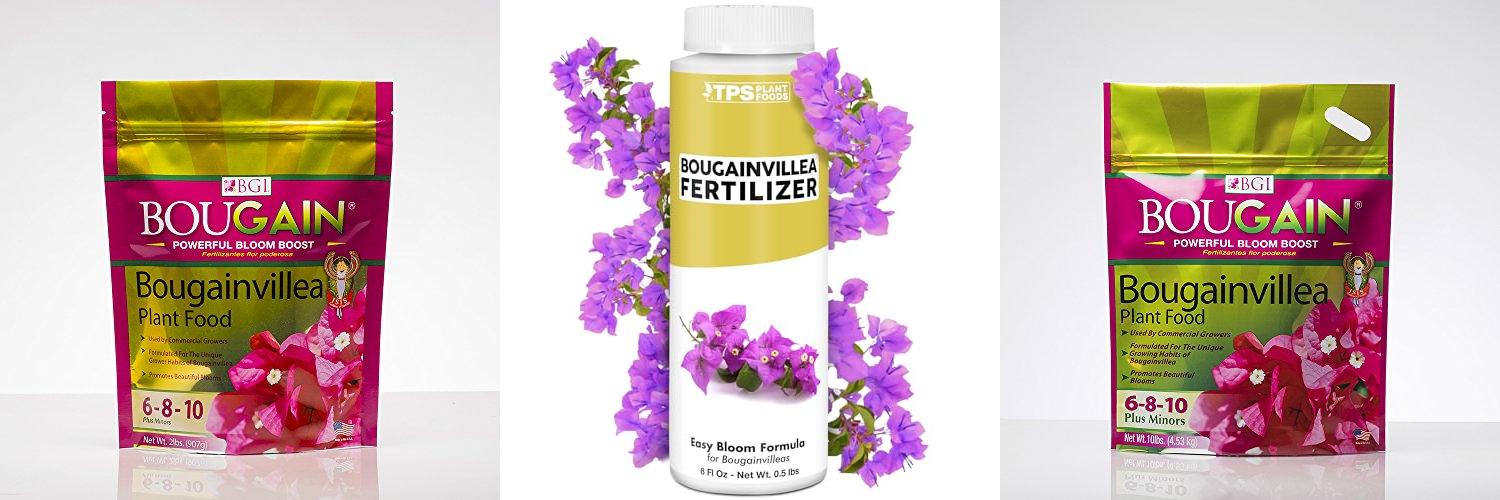
Our Top 5 Fertilizer For Bougainvillea Recommendations at a Glance
Top 5 Fertilizer For Bougainvillea Detailed Reviews
1. BGI Fertilizers BOUGAIN
Rating: 8.8/10
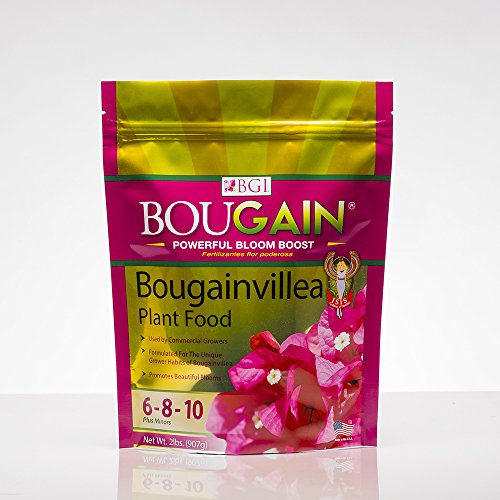
Want to see your bougainvillea plants burst with color? The BGI Fertilizers BOUGAIN, Bougainvillea Fertilizer is here to help! This special food is made just for these beautiful flowering plants. It’s a 2lb bag, so you get a good amount to keep your plants happy and blooming.
What We Like:
- It’s made just for bougainvillea.
- It’s a granular fertilizer, so you just sprinkle it on – no messy mixing needed!
- You only need to use it once a month, which is super convenient.
- It really makes your bougainvillea plants produce tons of flowers.
- BGI, the biggest bougainvillea nursery in the country, created and uses this fertilizer.
- It has 5% iron, which is a secret ingredient for vibrant bougainvillea.
What Could Be Improved:
- A larger bag size might be nice for those with many plants.
- Clearer instructions on how much to use for different sized plants could be helpful.
This fertilizer is a game-changer for anyone who loves bougainvillea. Get ready for a show of amazing blooms!
2. Bougainvillea Fertilizer
Rating: 8.6/10
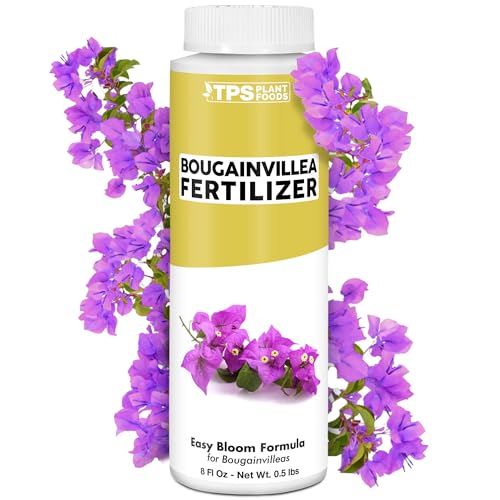
Give your bougainvillea plants the nourishment they crave with this Complete Liquid Bougainvillea Plant Food. This 8 oz bottle (250mL) is specially formulated to bring out the best in your colorful climbers, promising brighter blooms and healthier leaves.
What We Like:
- It’s a complete fertilizer, meaning it has all the good stuff your bougainvillea needs.
- It helps your plants grow big and strong, and it makes them bloom a lot.
- The instructions are super easy to follow, so even beginners can use it.
- It’s made right here in the USA.
What Could Be Improved:
- The 8 oz bottle might not last as long if you have many large plants.
- While easy to use, some users might prefer a larger size for cost-effectiveness.
This liquid plant food is a fantastic way to boost your bougainvillea’s beauty. Get ready to enjoy a show of vibrant colors!
3. BGI Fertilizers BOUGAIN

Rating: 8.9/10
Get ready for a bougainvillea explosion with BGI Fertilizers BOUGAIN, Bougainvillea Fertilizer! This 10lb bag is specially made to give your vibrant plants the nutrients they crave. If you want more dazzling blooms and healthier, happier bougainvillea, this fertilizer is your secret weapon.
What We Like:
- It’s made just for bougainvillea, so it knows exactly what they need.
- You’ll see a big difference in how many flowers your plants produce.
- The 5% iron content is super important for making those colors pop.
- It’s easy to use! Just sprinkle the granules around your plants once a month. No messy mixing required.
- BGI, the biggest bougainvillea grower in the country, created and uses this fertilizer.
What Could Be Improved:
- The 10lb bag might be a bit much for someone with only one or two small plants.
- While easy to apply, remembering to do it monthly might be a challenge for some.
This fertilizer truly delivers on its promise of more blooms. Give your bougainvillea the best, and watch them shine.
4. Nelson Plant Food For All Flowering Vines Bougainvillea Trumpet Wisteria Honeysuckles Indoor Outdoor Granular Fertilizer NutriStar 17-7-10 (4 lb)

Rating: 8.7/10
Tired of wrestling with messy liquids? Nelson Plant Food For All Flowering Vines is your new best friend for vibrant, blooming vines! This granular fertilizer, with its special NutriStar 17-7-10 formula, is designed to make feeding your beautiful plants a breeze, whether they’re inside or out. It’s packed with everything your flowering vines need to thrive and produce stunning colors.
What We Like:
- Super easy to use – just sprinkle and go!
- Low maintenance feeding schedule means less work for you.
- Rich in nutrients to promote big, colorful blooms.
- Helps keep your plant’s roots healthy with added sulfur and gypsum.
- Works great for a wide variety of flowering vines, not just bougainvillea.
- Slow-release formula feeds your plants for longer periods.
What Could Be Improved:
- The 4lb size might be too much for very small gardens.
- Instructions could be a little clearer for absolute beginners.
This Nelson Plant Food is a fantastic way to give your flowering vines the nutrition they crave with minimal effort. Get ready to enjoy a garden bursting with color and life!
5. Nelson Plant Food For All Flowering Vines Bougainvillea Trumpet Wisteria Honeysuckles Indoor Outdoor Granular Fertilizer NutriStar 17-7-10 (2 lb)

Rating: 8.9/10
Tired of dull blooms and struggling vines? The Nelson Plant Food For All Flowering Vines is your secret weapon for vibrant, healthy flowering plants. This granular fertilizer, with its powerful 17-7-10 NutriStar formula, is designed to make plant care easy and effective. Whether you’re growing bougainvillea, wisteria, or honeysuckle, this plant food promises to bring out the best in your vines, indoors or out.
What We Like:
- It’s super easy to use! You only need to feed your plants every 14 days until they start blooming, and then just once a month. This low-maintenance feeding schedule is great for busy gardeners.
- Packed with nutrients! The 17-7-10 formula gives your plants the food they need for bright, colorful flowers and overall health. It has four kinds of nitrogen to keep your plants happy for longer.
- It helps keep your plants healthy. The added sulfur and gypsum create slightly acidic soil, which is just right for many flowering vines and helps their roots grow strong.
- It works for lots of different vines, not just bougainvillea. You can use it on plants like trumpet vines, wisteria, honeysuckles, and more.
- The granular form is easy to spread. No messy liquids! Just sprinkle it around your plants, and it feeds them slowly over time. It works for plants in pots, hanging baskets, or planted in the ground.
What Could Be Improved:
- While it’s great for many vines, it’s important to check if your specific plant thrives in slightly acidic soil conditions.
- The 2lb bag might be a bit small for those with a large collection of flowering vines.
This Nelson Plant Food makes growing beautiful flowering vines simple and rewarding. Get ready to enjoy a garden bursting with color and life!
The Ultimate Buying Guide: Blooming Bougainvillea Fertilizer
Bougainvillea are show-stopping plants, famous for their vibrant, colorful bracts. To keep them happy and blooming, you need the right fertilizer. This guide helps you pick the best food for your beautiful bougainvillea.
Key Features to Look For
When you shop for fertilizer, look for these important things:
- Balanced NPK Ratio: This is the most important. NPK stands for Nitrogen (N), Phosphorus (P), and Potassium (K).
- Nitrogen (N): Helps with green leaf growth. Too much can make your plant leafy but have fewer flowers.
- Phosphorus (P): Encourages strong roots and lots of blooms. This is key for bougainvillea.
- Potassium (K): Helps the plant fight off diseases and handle stress, like hot weather.
- A good starting point for bougainvillea is a fertilizer with a lower first number (N) and higher middle number (P), like 10-20-10 or 15-30-15.
- Micronutrients: Plants need more than just NPK. Look for fertilizers that also contain small amounts of iron, magnesium, and zinc. These help the plant use nutrients better and keep leaves a healthy green.
- Slow-Release Option: These fertilizers release nutrients over time. This means you don’t have to feed your plant as often, and it’s less likely to get too much fertilizer at once, which can harm it.
- Water-Soluble vs. Granular:
- Water-soluble: You mix it with water and pour it on. It works fast.
- Granular: You sprinkle it around the base of the plant. It releases nutrients more slowly.
Important Materials
The ingredients in your fertilizer matter. Good fertilizers often use:
- Organic Materials: Like bone meal, blood meal, or compost. These break down slowly and improve the soil. They are gentle on plants.
- Synthetic Materials: These are man-made chemicals. They work quickly and provide specific nutrients. Many effective fertilizers use a mix of organic and synthetic ingredients.
Factors That Improve or Reduce Quality
- What Makes Fertilizer Better:
- Clear Labeling: The bag or container should clearly state the NPK ratio and list other important nutrients.
- Reputable Brand: Buying from a well-known brand often means a more reliable product.
- Freshness: Check for an expiration date if one is available. Old fertilizer might not be as effective.
- What Makes Fertilizer Worse:
- Unknown Ingredients: If you can’t tell what’s in it, avoid it.
- Too Much Nitrogen: This can lead to lots of leaves but very few flowers.
- Old or Damaged Packaging: This can mean the fertilizer has lost its potency or has gotten wet.
User Experience and Use Cases
Most people use bougainvillea fertilizer during the growing season, which is usually spring and summer.
- For New Plants: A balanced fertilizer helps them establish strong roots.
- For Blooming Plants: Fertilizers with more phosphorus encourage more flowers.
- For Stressed Plants: A fertilizer with potassium helps them recover.
- Ease of Use: Granular fertilizers are easy to apply. Water-soluble ones are good if you want quick results. Many gardeners find slow-release options the most convenient.
Frequently Asked Questions (FAQ)
Q: What is the best NPK ratio for bougainvillea?
A: A good NPK ratio for bougainvillea is one that is lower in Nitrogen (N) and higher in Phosphorus (P). Look for numbers like 10-20-10 or 15-30-15. This helps promote flowering.
Q: How often should I fertilize my bougainvillea?
A: During the growing season (spring and summer), feed your bougainvillea every 2-4 weeks. If you use a slow-release fertilizer, you might only need to fertilize once or twice a season.
Q: Can I use any fertilizer for my bougainvillea?
A: It’s best to use a fertilizer made for flowering plants or specifically for bougainvillea. Fertilizers with too much nitrogen can cause lots of leaves but fewer flowers.
Q: What are micronutrients and why are they important?
A: Micronutrients are essential vitamins for plants, needed in small amounts. They include things like iron and magnesium. They help your bougainvillea grow healthy and use other nutrients well.
Q: Should I use organic or synthetic fertilizer?
A: Both can work! Organic fertilizers improve soil over time and are gentle. Synthetic fertilizers provide nutrients quickly. Many gardeners like using a mix of both.
Q: What happens if I over-fertilize my bougainvillea?
A: Over-fertilizing can burn the plant’s roots, cause yellow leaves, and even kill the plant. It’s better to under-fertilize a little than to over-fertilize.
Q: Can I fertilize my bougainvillea in the fall or winter?
A: Generally, no. Bougainvillea are usually dormant in cooler months. Fertilizing them then can encourage weak new growth that won’t survive the cold.
Q: What does “slow-release” fertilizer mean?
A: Slow-release fertilizer releases nutrients gradually over weeks or months. This gives your plant a steady supply of food and reduces the risk of over-fertilizing.
Q: How do I apply liquid fertilizer to my bougainvillea?
A: Mix the liquid fertilizer with water according to the package directions. Water your plant first, then apply the fertilizer solution to the soil around the base of the plant.
Q: My bougainvillea has yellow leaves. Is it a fertilizer problem?
A: Yellow leaves can be caused by many things, including too much or too little fertilizer, poor watering, or lack of sunlight. Check your watering habits and consider if you’ve fertilized recently.
In conclusion, every product has unique features and benefits. We hope this review helps you decide if it meets your needs. An informed choice ensures the best experience.
If you have any questions or feedback, please share them in the comments. Your input helps everyone. Thank you for reading.