
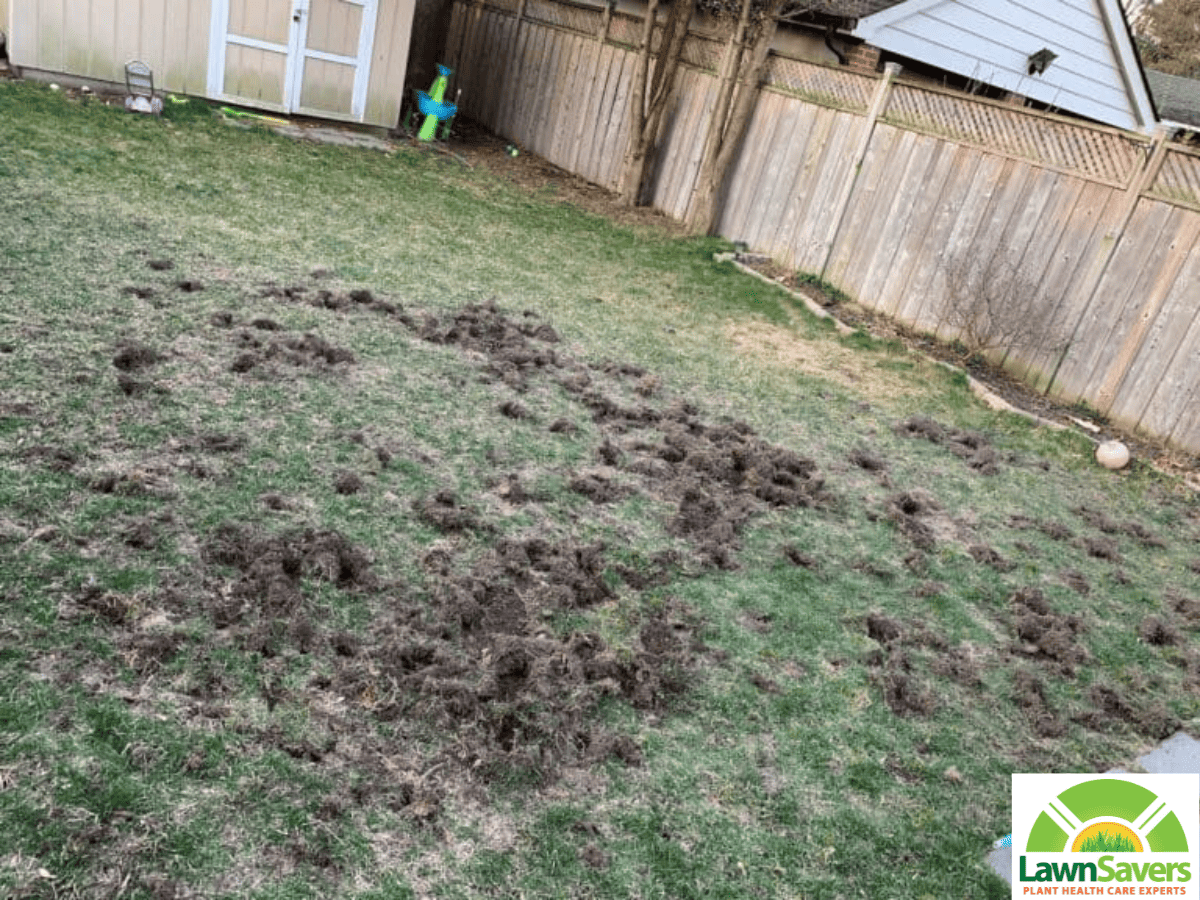
Image Source: lawnsavers.com
Expert Tips: How To Stop Raccoons From Digging Up Lawn
Can raccoons damage your lawn? Yes, raccoons can definitely dig up your lawn, especially when they are searching for food like grubs, insects, or worms. This article will provide you with expert tips on how to stop raccoons from digging up your lawn, focusing on effective and humane methods for raccoon lawn damage prevention and keeping raccoons out of garden areas. We will explore various strategies, from simple deterrents to more involved solutions for raccoon burrowing control.
Raccoons, with their masked faces and busy paws, are a common sight in many suburban and rural areas. While they can be fascinating creatures, their nightly foraging can leave your lawn looking like a war zone. Understanding why they dig is the first step in effective raccoon digging prevention methods.
Why Raccoons Dig in Your Lawn
Raccoons are opportunistic omnivores. Their diet consists of a wide variety of foods, including insects, grubs, earthworms, berries, fruits, nuts, small animals, and even garbage. Your lawn is a prime hunting ground, particularly during spring and fall when insect larvae are abundant just beneath the surface.
- Grub Hunting: Japanese beetle grubs, European chafer grubs, and other lawn grubs are a favorite food source. Raccoons use their strong claws and sensitive paws to rip up sod and soil in search of these protein-rich snacks.
- Earthworm Search: Earthworms are another delicacy for raccoons. They are most active in moist soil, so after a rain, your lawn becomes even more attractive.
- Insect Foraging: Beyond grubs, raccoons will also dig for ants, beetles, and other crawling insects.
- Water Source: In dry periods, raccoons might dig in damp areas of your lawn looking for moisture.
- Denning (Less Common for Lawns): While raccoons prefer more established dens, young or desperate individuals might dig shallow scrapes in soft soil, though this is less common than food-related digging.
The tell-tale signs of raccoon digging are circular or irregular patches of torn-up sod, often with disturbed soil. These holes can range from small pits to larger areas where chunks of grass and soil have been tossed aside.
Humane Raccoon Deterrents: First Lines of Defense
When dealing with unwanted wildlife, humane methods are always preferred. The goal is to make your lawn less appealing to raccoons without causing them harm. These humane raccoon deterrents focus on sensory discomfort and disruption.
Scent-Based Repellents
Raccoons have a keen sense of smell. Using scents they find unpleasant can be a highly effective way to deterring raccoons from garden and lawn areas.
- Essential Oils: Strong-smelling essential oils like peppermint, castor oil, and eucalyptus oil are often cited as natural raccoon repellents.
- Application: Mix 10-15 drops of your chosen essential oil with a cup of water and a tablespoon of dish soap (to help the oil emulsify). Spray this mixture generously on the affected areas of your lawn, focusing on the edges and any areas where digging has occurred. Reapply after rain or watering.
- Caution: While generally safe, it’s wise to test on a small patch of lawn first to ensure it doesn’t damage the grass.
- Cayenne Pepper/Chili Powder: The capsaicin in peppers is a potent irritant to mammals.
- Application: Sprinkle cayenne pepper or chili powder liberally around the perimeter of your lawn or on spots where raccoons have been digging. This can be mixed with a carrier like cornmeal to help it stick.
- Reapplication: This needs to be reapplied frequently, especially after rain or irrigation, as its effectiveness washes away.
- Ammonia-Soaked Rags: The strong smell of ammonia is offensive to raccoons.
- Application: Soak old rags in household ammonia. Place these rags strategically around your lawn, particularly near vegetable gardens or flowerbeds where you want to stop raccoons from digging flowerbeds. Place them in small, open containers (like old yogurt cups) so the scent can disperse.
- Safety: Keep ammonia-soaked rags away from children and pets.
- Castor Oil: This is a classic natural repellent that can be effective when applied correctly.
- Application: Mix castor oil with water and a small amount of mild liquid soap. Spray this solution on your lawn. The oil makes the soil less palatable and can irritate a raccoon’s paws.
Taste-Based Deterrents
Similar to scent repellents, taste deterrents make the act of eating the grubs or digging the soil unpleasant.
- Bitter Sprays: Commercial bitter sprays, often containing ingredients like denatonium benzoate, can deter raccoons from tasting or chewing on plants. While primarily for plants, the concept can be applied to the soil if specifically formulated.
- Garlic: A strong-smelling and tasting natural repellent.
- Application: Chop several cloves of garlic and steep them in water overnight. Strain the garlic pieces and spray the garlic-infused water on your lawn.
Sound and Motion Deterrents
Raccoons are nocturnal and often shy away from sudden noises or movements.
- Motion-Activated Sprinklers: These devices detect movement and release a short burst of water. The sudden spray of water is startling and unpleasant for raccoons, teaching them to avoid the area. This is a highly effective humane raccoon deterrent as it doesn’t harm the animal, just startles it.
- Ultrasonic Devices: These emit high-frequency sounds that are inaudible to humans but irritating to many animals, including raccoons.
- Effectiveness: While some people report success, the effectiveness can vary greatly depending on the specific device, the environment, and the individual raccoon’s sensitivity. Raccoons can also become accustomed to constant sounds over time.
- Wind Chimes and Spinning Objects: While not a guaranteed method, the unpredictable movement and noise from wind chimes, spinning pinwheels, or reflective tape can sometimes startle raccoons and make them wary of an area.
Modifying the Environment: Making Your Lawn Less Inviting
Beyond direct repellents, making your lawn less attractive to raccoons is a crucial part of a comprehensive raccoon lawn damage prevention strategy.
Eliminating Food Sources
The most effective way to protect lawn from raccoons is to remove what’s attracting them in the first place.
- Grub Control: Addressing grub infestations in your lawn is paramount. Healthy turf is less susceptible to heavy grub damage, but active infestations will draw raccoons.
- Beneficial Nematodes: These microscopic worms can be applied to your lawn and parasitize grubs, offering an environmentally friendly solution.
- Milky Spore: This bacterium affects Japanese beetle grubs specifically and can be effective over several years.
- Chemical Treatments: If infestations are severe, consider targeted grub control treatments. Always follow product instructions carefully.
- Secure Trash Cans: Raccoons are notorious for raiding trash cans. Ensure all outdoor bins have tight-fitting lids and are made of sturdy materials. Consider using bungee cords or weights to keep lids secure.
- Pet Food: Never leave pet food outdoors, especially overnight. Store it in a sealed container in a garage or shed.
- Bird Feeders: While intended for birds, spilled seed and fallen nuts are a significant food source for raccoons. Consider elevated feeders or feeding only during daylight hours. Clean up any spilled seed regularly.
- Fallen Fruit and Berries: Regularly clear any fallen fruit from fruit trees or berry bushes in your yard.
Limiting Shelter and Access
Raccoons are often looking for a safe place to rest or raise their young.
- Seal Entry Points: Raccoons can squeeze into surprisingly small spaces. Inspect your home, sheds, and garages for any potential entry points like damaged vents, loose siding, or gaps under decks. Seal these up with sturdy materials like hardware cloth or sheet metal.
- Clear Debris: Remove piles of wood, rocks, dense vegetation, or any other debris from your yard. These can provide excellent shelter for raccoons.
- Secure Composts: If you have a compost bin, ensure it’s raccoon-proof. A solid bin with a secure lid is best.
Physical Barriers for Lawn Protection
Sometimes, direct barriers are necessary to protect lawn from raccoons effectively.
Fencing
While raccoons are agile climbers, a well-constructed fence can deter them.
- Height and Material: A fence at least 6 feet tall is recommended. Using sturdy wire mesh, like chicken wire or hardware cloth, is more effective than solid fencing that they can’t see through.
- Electric Fencing: For severe problems, a low-voltage electric fence can be a very effective deterrent. Raccoons receive a mild shock when they touch it, quickly learning to avoid the area. This is a humane raccoon deterrent as the shock is designed to startle, not injure. It’s important to understand local regulations regarding electric fencing.
- Outward-Facing Top: For areas where raccoons might try to climb, consider adding a section of inward-facing or outward-facing wire mesh at the top of the fence to make climbing over difficult.
Ground-Level Barriers
For specific areas, like flowerbeds, more targeted barriers can be used.
- Hardware Cloth: Burying hardware cloth (1/2 inch mesh or smaller) a few inches below the soil surface and extending it up the sides of garden beds can prevent raccoons from digging into the soil. This is excellent for stop raccoons from digging flowerbeds.
- Mulch: A thick layer of coarse mulch can make digging more difficult and unpleasant for raccoons. They prefer to dig in soft, loose soil.
Professional Solutions for Raccoon Burrowing Control
If DIY methods are not working, or if you are dealing with a persistent problem, professional assistance might be necessary.
- Wildlife Removal Services: Professional wildlife removal services can assess your situation, identify the extent of the problem, and implement appropriate raccoon burrowing control strategies. They can often use more advanced trapping and relocation methods (where legal and humane) or install exclusion devices.
- Exclusion Devices: These are one-way doors or cones that can be fitted over burrows or entry points, allowing raccoons to leave but preventing them from re-entering.
What to Do if You Find Raccoon Holes
If you discover digging, immediate action can prevent further damage and discourage return visits.
- Assess the Damage: Note the size and location of the holes.
- Clean Up: Rake up any disturbed soil or sod.
- Apply Deterrents: Immediately apply your chosen scent or taste deterrents to the affected areas.
- Remove Attractants: Double-check all potential food and shelter sources in your yard.
- Reinforce Barriers: If you use fencing or hardware cloth, ensure it is secure.
Strategies for Keeping Raccoons Out of Garden
Gardens are particularly vulnerable to raccoon damage due to the rich soil and abundant food sources (vegetables, fruits, and the insects that eat them).
- Raised Beds: Planting in raised beds can make access more difficult.
- Protective Covers: Row covers or netting can protect individual plants or entire beds. Ensure the covers are secured tightly to the ground to prevent raccoons from lifting them.
- Companion Planting: Some plants, like garlic, onions, and marigolds, are believed to deter pests, including raccoons, with their strong scents.
- Water Features: Raccoons may be attracted to water sources. If you have a pond or bird bath, ensure it’s not a primary attraction.
Natural Raccoon Repellents: A Deeper Dive
Using natural raccoon repellents is a popular and eco-friendly approach. Let’s look at some more details.
| Natural Repellent | How it Works | Application Method | Reapplication Frequency |
|---|---|---|---|
| Peppermint Oil | Strong, minty scent irritates raccoon senses. | Mix 10-15 drops with water and a little dish soap; spray on lawn and garden edges. | After rain/watering. |
| Castor Oil | Unpleasant taste and smell; can irritate paws. | Mix with water and soap; spray on lawn. Can also soak rags and place them. | Weekly or after rain. |
| Cayenne Pepper | Capsaicin irritates nose and eyes. | Sprinkle directly on affected areas or mix with cornmeal. | Frequently, after rain. |
| Garlic Spray | Pungent smell and taste is repulsive. | Steep chopped garlic in water, strain, and spray. | Weekly or after rain. |
| Ammonia-Soaked Rags | Potent, irritating smell. | Soak rags, place in open containers around lawn edges. | Every few days. |
| Uric Acid (Predator Scent) | Mimics scents of predators like dogs or coyotes. | Available as granular products or sprays. Apply around perimeter. | As per product instructions. |
It’s important to remember that while these methods are natural, consistent application is key. Raccoons can become accustomed to scents if they are not refreshed regularly.
Common Questions About Raccoons and Lawns
Here are some frequently asked questions that might arise when dealing with raccoons digging in your lawn:
Q1: How often should I reapply raccoon repellents?
A1: The frequency of reapplication depends on the type of repellent and weather conditions. Scent-based repellents, especially those mixed with water, will need to be reapplied every few days, or more often after rain or watering, as their potency washes away. Physical deterrents or well-maintained barriers require less frequent attention.
Q2: Are there any plants that raccoons naturally avoid?
A2: While no plant is completely “raccoon-proof,” strong-smelling plants like garlic, onions, mint, and marigolds are sometimes cited as deterrents. Planting these around the perimeter of your garden or lawn might offer some protection.
Q3: Is it safe to use chemicals to repel raccoons?
A3: There are commercial chemical repellents available. However, it’s crucial to use them cautiously and according to the manufacturer’s instructions. Some chemicals can be harmful to pets, children, and beneficial insects. Natural and humane deterrents are generally preferred.
Q4: Can raccoons dig through fences?
A4: Raccoons are persistent and can dig under or climb over fences if they are not properly constructed. Ensuring fences are buried a foot or more into the ground and are at least 6 feet tall with no gaps can help.
Q5: What if raccoons are digging for my pet’s food?
A5: This is a critical issue. Never leave pet food or water bowls outside overnight. Securely store all pet food in airtight containers, preferably in a garage or shed. Raccoons are attracted to accessible food sources, and your pet’s food is a prime target.
Q6: Can raccoons carry diseases?
A6: Yes, raccoons can carry diseases such as rabies and roundworm (Baylisascaris procyonis). It is important to avoid direct contact with raccoons and their feces. If you need to handle areas where they have been, wear gloves and wash your hands thoroughly afterward.
Conclusion: A Multi-Faceted Approach to Raccoon Lawn Damage Prevention
Successfully protecting your lawn from raccoons requires a consistent and multi-faceted approach. By combining habitat modification, humane deterrents, and physical barriers, you can create an environment that is far less appealing to these masked foragers. Remember to focus on removing attractants like grubs and unsecured food sources, as this is often the most effective long-term solution. With patience and persistence in employing these raccoon digging prevention methods, you can enjoy a pristine lawn while coexisting peacefully with your wild neighbors. Prioritize humane and environmentally friendly strategies to ensure the well-being of both your lawn and the local wildlife.