
Imagine harvesting a bounty of fresh, delicious vegetables right from your own backyard. Raised garden beds make this dream a reality, offering better drainage, warmer soil, and easier access for planting and weeding. But before you can start digging, you face a crucial decision: what material will you use for your raised bed?
Choosing the right material can feel overwhelming. You want something that looks good, lasts a long time, and won’t cost a fortune. Some materials might warp or rot quickly, while others could be too expensive or even leach harmful chemicals into your soil. It’s a puzzle with many pieces, and getting it wrong means a garden that might not thrive or a bed that needs replacing sooner than you’d like.
Don’t worry, we’re here to help you solve it! In this post, we’ll break down the most popular materials for raised garden beds. We’ll explore their pros and cons, so you can confidently pick the perfect option for your garden project. Get ready to discover the best way to build a beautiful and productive raised bed that will serve you for years to come.
Our Top 5 Material For A Raised Bed Garden Recommendations at a Glance
Top 5 Material For A Raised Bed Garden Detailed Reviews
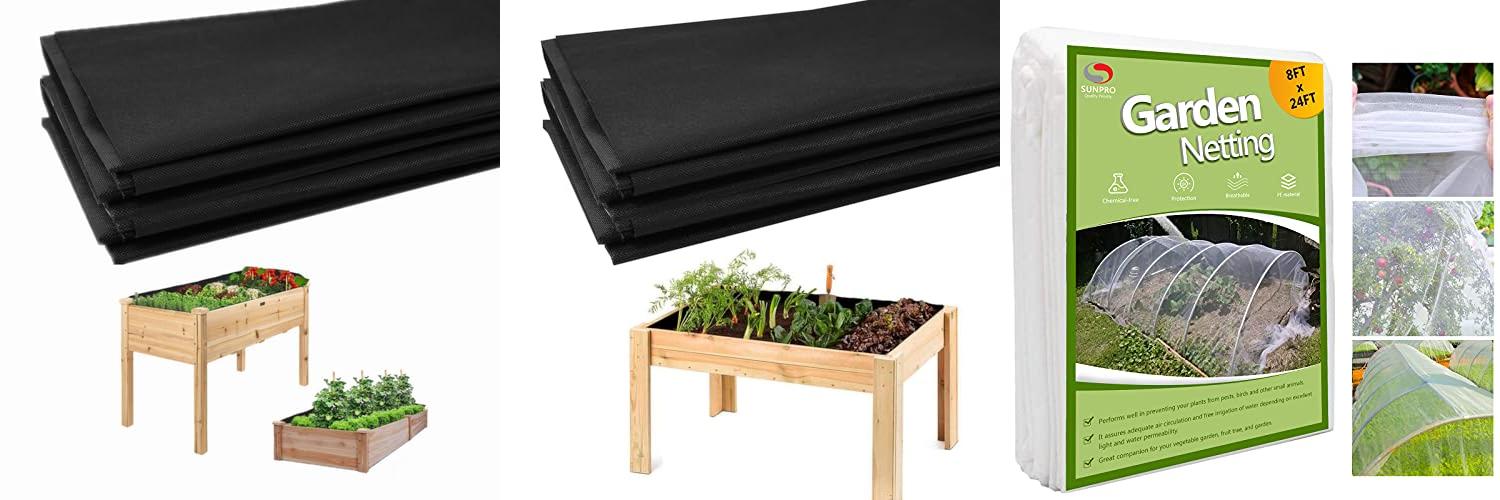
1. 63″ X 114″ Raised Garden Bed Liner Raised Bed Planter Liner Non Woven Plant Liners for Garden Flower Pot (63″ X 114″)

Rating: 8.7/10
Take your gardening to the next level with this 63″ X 114″ Raised Garden Bed Liner. This tough, non-woven fabric liner is designed to protect your garden beds and keep your plants happy. It’s a great way to make sure your raised beds work perfectly, even on hard surfaces like patios or concrete.
What We Like:
- Super Strong Material: It’s made of really tough non-woven fabric. This means it lasts a long time and can handle big garden beds.
- Lets Water Drain: The liner has tiny holes. This lets extra water escape, so your plants don’t get too wet and drown.
- Keeps Soil In: It’s strong enough to stop soil from falling out of your raised beds.
- Big Enough for Most Beds: At 63 inches by 114 inches, it’s a good size for large garden beds. You can also cut it smaller if you need to.
- Helps Stop Weeds: This liner acts like a barrier, stopping weeds from growing up into your garden bed from below.
- Easy to Put In: You just lay it down in your garden bed before you add soil. Using staples can help keep it neat.
- Safe for Plants: The material is non-toxic and safe for your plants and for you.
What Could Be Improved:
- Cutting Might Be Tricky: While it can be cut, you’ll need good scissors or a blade to get clean edges.
- Staples Needed for Best Fit: To get it to lie perfectly flat and stay in place, you’ll need staples, which aren’t included.
This garden bed liner is a smart choice for anyone wanting to improve their raised garden beds. It protects your soil and helps your plants thrive.
2. Fabric Liner for Large Veg Trough

Rating: 8.6/10
Give your large raised garden beds and vegetable troughs the protection they deserve with this Fabric Liner. Measuring a generous 63 x 114 inches (160 x 290cm), this liner is made from ultra-durable, non-woven fabric. It’s designed to keep your soil contained while allowing water to drain freely, ensuring your plants thrive. This liner is also breathable, recyclable, and waterproof, offering an extra layer of defense against soil erosion and pesky grass roots.
What We Like:
- Made from super strong, non-woven fabric that lasts.
- Lets water drain out, so your plants don’t get too wet.
- Keeps soil from washing away and stops grass from growing where you don’t want it.
- You can cut it to fit any size garden bed or planter.
- Easy to put in place, even for beginners.
- Works great on patios and concrete too.
What Could Be Improved:
- It’s recommended to use staples for the best fit, which is an extra step.
This fabric liner is a simple yet effective way to improve your gardening setup. It helps your plants stay healthy and your garden beds look neat and tidy.
3. Garden Netting Pest Barrier

Rating: 9.0/10
Protect your precious plants from hungry pests and unwanted visitors with this versatile Garden Netting Pest Barrier. This 8×24 foot mesh netting acts as a shield, keeping birds, bugs, and other critters away from your vegetables, fruits, flowers, and crops.
What We Like:
- The ultra-fine mesh effectively blocks even small pests, keeping your garden safe.
- It’s made of durable PE, so it lasts a long time.
- The netting lets in air, water, and sunlight, so your plants stay healthy.
- You can water and feed your plants right through the netting, saving you time.
- It’s large enough for most gardens and can be cut to size.
- You can use it over plants, trees, raised beds, or even as a row cover.
- It’s lightweight and won’t damage your plants.
- It can be used year after year.
- It also works as a patio netting to keep mosquitoes out of outdoor spaces.
- The quality is guaranteed, and you can return it if you’re not happy.
What Could Be Improved:
- While durable, very strong winds could potentially damage the netting if not properly secured.
- The 8x24ft size might be too large for very small gardens, requiring significant cutting.
This garden netting is a smart investment for any gardener looking to keep their plants thriving. It offers excellent protection and is easy to use for all your gardening needs.
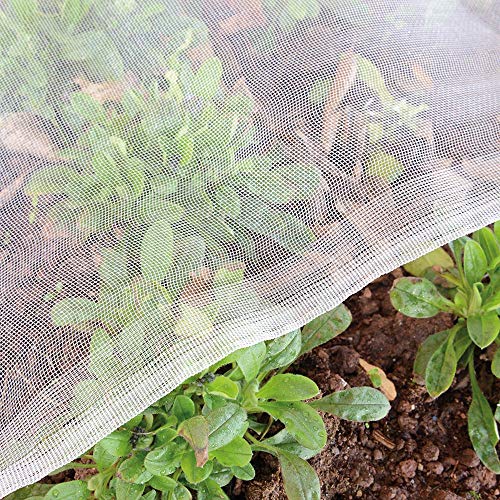
4. Garden Netting Pest Barrier: 4’x10′ Fine Bug Netting for Garden Protection Row Cover Raised Bed Screen Mesh Greenhouse Mosquito Net
Rating: 9.1/10
Keep your garden safe and thriving with this Garden Netting Pest Barrier! This fine bug netting is designed to protect your precious plants, from delicate flowers and juicy fruits to sturdy vegetables and even trees, from pesky insects and small animals. Say goodbye to nibbled leaves and hello to a healthier, happier garden.
What We Like:
- Effective Bug Barrier: It stops bugs like cicadas, carrot flies, and many aphids from reaching your plants, giving you a better harvest.
- All-Purpose Garden Netting: It’s not just for gardens! You can use it on ponds, indoors, or even on windows to keep bugs out.
- Extra High Quality: Made from strong, new HDPE material, this net is built to last. It’s UV-resistant and safe for your plants. The edges won’t fray, and it’s durable.
- Convenient to Use: Air, water, and light can easily pass through the netting. You can place it over garden hoops, beds, or cages without taking it off to water.
- Features: It’s a 100% new HDPE fine mesh net with UV protection. It has a 40-mesh count, comes with a 3-year warranty, and can be cut to any size you need.
What Could Be Improved:
- The netting is sent folded, which might leave creases that take time to smooth out.
This netting is a fantastic tool for any gardener looking to protect their plants. It’s easy to use and provides reliable protection for a wide variety of garden needs.
5. 2 Pcs Pop Up Winter Garden Rows Plant Covers

Rating: 9.5/10
Winter gardening just got a whole lot easier with these Pop Up Winter Garden Rows Plant Covers. This set includes two covers, each measuring 45 x 22 x 16 inches, along with ground nails and a handy storage bag. They create a warm, protected space for your plants, shielding them from frost, snow, and even hungry critters.
What We Like:
- These covers are super easy to set up. Just pop them open, and they’re ready to go.
- The material lets sunlight through, which is great for plant growth.
- A zippered door makes it simple to water, fertilize, or air out your plants.
- They fold down small and come with a bag, making storage a breeze.
- The non-woven fabric is breathable and keeps plants warm.
- Ground nails help keep them steady, even in windy weather.
- They work for many different kinds of plants, from veggies to flowers.
What Could Be Improved:
- While they offer good protection, they might not withstand very harsh, prolonged storms.
- The size is great for rows, but might be too small for larger, individual plants.
These plant covers are a fantastic tool for extending your growing season. They offer simple, effective protection for your garden throughout the colder months.
Choosing the Best Material for Your Raised Garden Bed
Raised garden beds offer a fantastic way to grow your own food and flowers. They make gardening easier and can even boost your harvest. But what should you build them out of? This guide helps you pick the perfect material.
Key Features to Look For
When you’re choosing material for your raised bed, think about a few important things:
- **Durability:** How long will it last? You want something that can handle weather for many years.
- **Safety:** Is it safe for growing food? Some materials can leach chemicals into the soil.
- **Cost:** How much does it cost to buy and build? Some materials are cheaper than others.
- **Ease of Use:** How easy is it to work with? Some materials are simple to cut and assemble.
- **Appearance:** How will it look in your yard? You want it to be attractive.
Important Materials for Raised Beds
Many materials work well for raised beds. Here are some of the most popular choices:
1. Wood
Wood is a classic choice. It’s readily available and easy to work with. You can find it in many different types.
- **Cedar and Redwood:** These are great because they naturally resist rot and insects. They last a long time without needing treatments.
- **Pine and Fir:** These are less expensive but will rot faster. You might need to treat them with a food-safe sealant to make them last longer.
Quality Factors: Untreated wood will degrade faster. Look for wood that is naturally rot-resistant for the best quality. Avoid treated lumber that contains chemicals harmful to plants and people.
2. Composite Wood (Wood-Plastic Composite)
This material mixes wood fibers with plastic. It’s very durable and doesn’t rot. It also resists insects.
Quality Factors: Higher quality composite materials look more like real wood. Cheaper versions might look a bit plastic-y. Ensure it’s rated as food-safe.
3. Metal (Corrugated Steel or Aluminum)
Metal raised beds are a modern option. They are very strong and can last for many years. They come in sheets or pre-made kits.
Quality Factors: Galvanized steel is common, but make sure it’s coated to prevent rust. Aluminum is lighter and won’t rust at all. Thicker metal is generally higher quality and more durable.
4. Concrete Blocks or Bricks
These materials are super sturdy. They last forever and don’t rot or get eaten by bugs. They can also help warm the soil, which is good for plants.
Quality Factors: The main factor is the quality of the blocks or bricks themselves. Ensure they are solid and not crumbling.
5. Natural Stone
Building a raised bed with natural stone looks beautiful. It’s very durable and adds a rustic charm to your garden. It’s a bit more work to build.
Quality Factors: The quality depends on the type of stone and how well it’s fitted together. Well-placed stones will last for a very long time.
Factors That Improve or Reduce Quality
- Thickness: Thicker materials generally last longer and are stronger. Thin wood might warp or break. Thick metal will resist dents better.
- Treatment: For wood, natural resistance to rot is best. If you use less resistant wood, a food-safe sealant can improve its lifespan. Avoid harsh chemical treatments.
- Assembly: How well the bed is put together matters. Strong joints and secure fastenings mean a bed that won’t fall apart.
- Drainage: While not a material feature itself, good drainage is crucial for healthy plants. Ensure your chosen material allows for water to drain away.
User Experience and Use Cases
- Beginner Gardener: Wood is often the easiest to start with. You can buy pre-cut kits or easily cut lumber yourself. Metal kits are also simple to assemble.
- Long-Term Investment: If you want a bed that lasts for decades with little maintenance, consider cedar, redwood, metal, or stone.
- Budget Gardener: Pine or fir wood is the most budget-friendly. You can also find affordable concrete blocks.
- Aesthetic Appeal: Natural stone or decorative bricks offer a beautiful look. Composite wood can mimic the look of real wood.
- Food Safety: Always check if the material is safe for growing edibles. Untreated natural materials are usually the safest bet.
Frequently Asked Questions about Raised Bed Materials
Q: What is the most durable material for a raised bed?
A: Natural stone, metal, and concrete blocks are generally the most durable and can last for many decades.
Q: Is treated lumber safe for vegetable gardens?
A: It’s best to avoid treated lumber for vegetable gardens. Look for food-safe sealants if you must use treated wood, or opt for untreated, rot-resistant wood.
Q: How long does a cedar raised bed typically last?
A: A cedar raised bed can last 15-20 years or even longer, as cedar is naturally resistant to rot and insects.
Q: Can I use recycled materials for my raised bed?
A: Yes, you can use recycled materials like reclaimed wood or concrete blocks, as long as they are safe and not treated with harmful chemicals.
Q: Which material is the easiest to build with?
A: Wood is generally the easiest material to build with, especially for beginners. Metal kits are also very simple to assemble.
Q: Will metal raised beds get too hot in the sun?
A: Metal beds can get hot, but this can also help warm the soil for plants. Planting heat-loving vegetables can benefit from this. You can also add a layer of mulch to help regulate soil temperature.
Q: What is the cheapest material for a raised bed?
A: Pine or fir wood is usually the cheapest option. Concrete blocks can also be an affordable choice.
Q: How do I prepare the ground before building a raised bed?
A: Clear the area of grass and weeds. You can also lay down cardboard to suppress weeds further before adding your soil.
Q: Does the material of the raised bed affect soil pH?
A: Some materials, like concrete blocks, can slightly increase the pH of the soil over time. Natural materials like wood and stone generally have little to no effect.
Q: What is the best material for a raised bed that needs to be moved later?
A: Lighter materials like wood or smaller metal kits are easier to move than heavy concrete blocks or stone.
In conclusion, every product has unique features and benefits. We hope this review helps you decide if it meets your needs. An informed choice ensures the best experience.
If you have any questions or feedback, please share them in the comments. Your input helps everyone. Thank you for reading.