
Imagine biting into a perfectly ripe, juicy orange, or savoring the sweet tang of a freshly picked grapefruit. Citrus trees promise such delicious rewards, but sometimes, they need a little extra help to thrive. If your citrus sapling looks a bit sad, or your established tree isn’t producing as much fruit as you hoped, you’re likely wondering: what’s the secret to happy, healthy citrus?
Choosing the right fertilizer can feel like navigating a maze. You see bags with numbers like 10-10-10, others with specific “citrus” labels, and even organic options. It’s easy to feel overwhelmed and worry about accidentally harming your precious trees. But don’t let the confusion stop you from enjoying bountiful harvests!
This post will cut through the clutter. We’ll explore exactly what your citrus trees need to flourish, from essential nutrients to the best types of fertilizers to use. By the end, you’ll have the confidence to pick the perfect food for your trees, leading to vibrant growth and a bounty of delicious fruit year after year. Let’s dig in and give your citrus the nourishment it deserves!
Our Top 5 Fertilizer For Citrus Trees Recommendations at a Glance
Top 5 Fertilizer For Citrus Trees Detailed Reviews
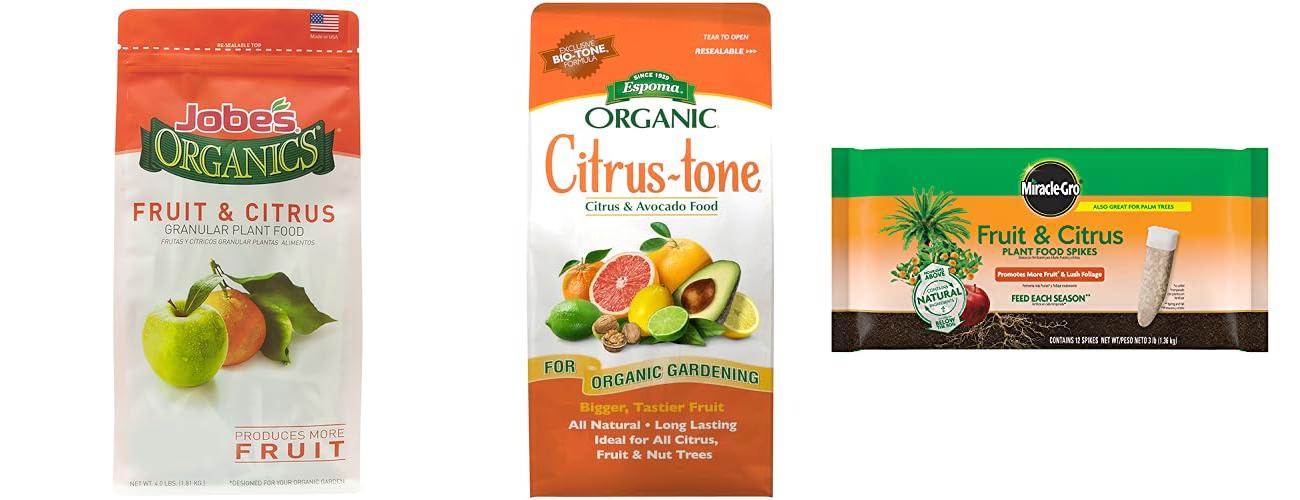
1. Jobe’s Organics Granular Garden Fertilizer

Rating: 9.4/10
Grow bigger, tastier fruits and brighter, greener leaves with Jobe’s Organics Granular Garden Fertilizer for Fruit and Citrus. This 4-pound bag is packed with everything your fruit and citrus plants need. It’s made to be neat and safe for your garden. You can trust it because it’s OMRI listed, meaning it’s approved for organic gardening by the USDA. This fertilizer makes plant care easy.
What We Like:
- It’s organic and safe for your garden.
- The 3-5-5 NPK formula gives plants the right food for lots of fruit and healthy leaves.
- Application is simple and you won’t waste it.
- It helps prevent wasteful runoff, mess, hazards, and smells.
- It’s easy to measure, so you won’t overfeed your plants.
What Could Be Improved:
- The 4-pound bag might be small for very large gardens.
- It needs to be applied every 4-8 weeks, which requires regular attention.
For anyone wanting to boost their fruit and citrus plants, this fertilizer is a fantastic, user-friendly option. It delivers the nutrients your plants need for a bountiful harvest and vibrant growth.
2. Espoma Organic Citrus-Tone 5-2-6 Natural & Organic Fertilizer and Plant Food for All Citrus

Rating: 8.8/10
The Espoma Organic Citrus-Tone 5-2-6 Natural & Organic Fertilizer is a fantastic choice for anyone looking to boost their citrus, fruit, nut, or avocado trees. This 4 lb. bag is packed with natural and organic goodness to help your trees grow strong and produce lots of delicious fruit.
What We Like:
- It works wonders for all sorts of citrus trees, like lemons, limes, and oranges.
- It’s also great for avocado and nut trees.
- The 5-2-6 fertilizer analysis with 5% Calcium gives your trees exactly what they need.
- It’s made with natural and organic ingredients, plus Espoma’s special Bio-tone formula.
- This fertilizer is environmentally safe, with no yucky sludges or toxic stuff.
- You can use it during late winter, spring, and fall to give your trees a boost.
- Just sprinkle it around the tree’s drip line and water it in.
- It’s ready to use right out of the bag, no mixing required.
- Citrus-Tone is approved for organic gardening, so it meets strict organic standards.
- It’s made right here in the USA by The Espoma Company, a trusted name since 1929.
What Could Be Improved:
- The 4 lb. bag might be a bit small for very large orchards or if you have many trees.
- While it’s effective, some users might prefer a liquid fertilizer for faster absorption.
Overall, Espoma Organic Citrus-Tone is a top-notch fertilizer for healthy trees and bountiful harvests. It’s a simple, effective way to feed your fruit-bearing plants the natural way.
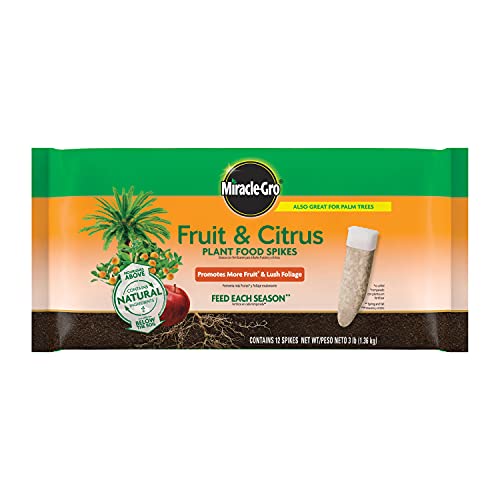
3. Miracle-Gro Fruit & Citrus Plant Food Spikes
Rating: 9.2/10
Want to grow more juicy fruit and see your citrus trees burst with vibrant green leaves? Miracle-Gro Fruit & Citrus Plant Food Spikes are here to help! These easy-to-use spikes are designed to feed your plants directly where they need it most – right at the root zone. This means your fruit trees and even your palm trees get the nutrients they need to grow strong and produce a bounty of delicious fruit.
What We Like:
- Promotes more fruit and lusher, greener foliage compared to plants that aren’t fed.
- Made with natural ingredients, which is great for gardeners who prefer them.
- You only need to feed your plants once in the spring and again in the fall – super convenient!
- Works wonders not just on fruit and citrus trees, but also on palm trees.
- The spikes are incredibly easy to use; just push them into the soil.
- They release nutrients slowly and directly to the root zone, supporting strong growth.
What Could Be Improved:
- The spikes are a one-time application for each season, so you can’t adjust feeding mid-season if you notice a specific need.
- While convenient, the spikes are designed for specific tree types, so you’d need different products for other plants.
Overall, these spikes offer a simple and effective way to boost your fruit and citrus plants. They make it easy to get healthier trees and a better harvest.
4. Down To Earth All Natural Fertilizers Citrus Mix 6-3-3

Rating: 9.1/10
Grow your best citrus and avocado trees with Down To Earth All Natural Fertilizers Citrus Mix. This 1 lb mini box provides everything your plants need for healthy growth, vibrant flowers, and delicious fruit. It’s made with the best natural ingredients to give your plants a strong foundation.
What We Like:
- Gives your plants balanced nutrition with a 6-3-3 NPK ratio.
- Includes important minerals like calcium, sulfur, iron, and zinc.
- Made from natural stuff like feather meal, fish bone meal, and kelp.
- It’s OMRI-Listed, meaning it’s safe for organic gardens.
- The small 1 lb box is great for small gardens, pots, or trying it out.
- Easy to use; just feed your plants 3-4 times a year.
What Could Be Improved:
- The 1 lb box might be too small for larger gardens.
- May need to buy multiple boxes for bigger needs.
This fertilizer is a fantastic choice for anyone looking to boost their citrus and avocado plants naturally. Give your trees the food they deserve and watch them thrive.
5. Farmer’s Secret Citrus Tree Booster Fertilizer (32oz) – Super Concentrated – Formulated for All Citrus Trees Including All Types of Lemons

Rating: 8.9/10
Grow the juiciest lemons, the zippiest limes, and the sweetest oranges right in your own backyard (or on your balcony!) with Farmer’s Secret Citrus Tree Booster Fertilizer. This super-concentrated formula is a game-changer for anyone with citrus trees, whether they’re planted outdoors or thriving in containers indoors. It’s like giving your trees a secret superpower to grow healthy, strong, and loaded with fruit.
What We Like:
- It’s super concentrated, meaning one bottle lasts a really long time. You only need a tiny bit for each watering.
- The formula is made for all kinds of citrus trees, like lemons, limes, and oranges. It works for both outdoor trees and indoor potted ones.
- It helps your trees grow strong and produce lots of fruit.
- The instructions are easy to follow. Just mix a teaspoon with a gallon of water and feed your tree weekly.
- This special formula is also great for avocado trees!
- It’s proudly bottled in Kentucky.
What Could Be Improved:
- For indoor or container trees, you have to remember to cut the amount in half or water every other week. This might be a small detail to keep track of.
Farmer’s Secret Citrus Tree Booster Fertilizer makes it simple to get amazing results. Your citrus trees will thank you with a bountiful harvest!
Your Guide to Happy & Healthy Citrus Trees
Growing your own juicy oranges, tangy lemons, or sweet grapefruits is a rewarding experience. To get the best harvest, your citrus trees need the right food. This guide helps you pick the best fertilizer to make your trees thrive.
What to Look For in Citrus Tree Fertilizer
When you shop for fertilizer, keep these important things in mind.
Key Features to Look For
- Nutrient Balance (NPK): This is the most important thing. NPK stands for Nitrogen (N), Phosphorus (P), and Potassium (K). Citrus trees need a good mix. A common good ratio for citrus is 2-1-1 or 1-1-1. Look for a fertilizer that lists these numbers clearly on the package.
- Micronutrients: Citrus trees also need smaller amounts of other nutrients, called micronutrients. These include iron, zinc, manganese, and magnesium. Many good citrus fertilizers include these.
- Slow-Release vs. Quick-Release: Slow-release fertilizers feed your tree over a longer time. Quick-release fertilizers give nutrients right away. For citrus, slow-release is often better because it feeds the tree steadily and reduces the chance of burning the roots.
- Organic vs. Synthetic: Organic fertilizers come from natural sources like compost or manure. They improve soil health over time. Synthetic fertilizers are made in a lab. They provide nutrients quickly. Both can work well, but organic options are great for long-term soil health.
Important Materials
The “important materials” are the actual nutrients and ingredients in the fertilizer.
- Nitrogen (N): This helps your tree grow green leaves and strong stems.
- Phosphorus (P): This helps with root development and flowering.
- Potassium (K): This helps the tree resist diseases and produce good fruit.
- Magnesium: This is vital for chlorophyll, which helps leaves make food from sunlight.
- Iron: This is also important for green leaves.
- Trace Minerals: These are the micronutrients like zinc and manganese.
What Makes Fertilizer Better or Worse?
Some things make a fertilizer work better for your citrus tree.
Factors that Improve Quality
- Complete Nutrient Profile: A fertilizer that has NPK plus essential micronutrients is generally better.
- Chelated Micronutrients: Chelated means the micronutrients are in a form that plants can easily absorb, especially in alkaline soils. This is a big plus!
- Good Reputation: Brands that gardeners trust often make reliable products.
- Clear Instructions: Easy-to-understand directions on the package help you use it correctly.
Factors that Reduce Quality
- Missing Key Nutrients: If a fertilizer lacks essential NPK or important micronutrients, it won’t feed your tree well.
- Overly Concentrated: Very strong fertilizers can burn your tree’s roots if not used carefully.
- Poorly Packaged: If the bag breaks easily or the product is dusty, it’s harder to use and store.
- Unknown Ingredients: If you can’t find a clear list of what’s inside, it’s harder to know if it’s right for your tree.
User Experience and How to Use It
How people use fertilizer and what they think about it matters.
User Experience and Use Cases
- Easy to Apply: Most granular fertilizers are spread around the base of the tree. Liquid fertilizers are mixed with water and poured. People prefer fertilizers that are simple to mix and spread.
- Visible Results: Users love seeing their trees grow healthier, with more leaves and better fruit production after using a good fertilizer.
- No Harm to Trees: A good fertilizer should feed the tree without causing damage. Users are happy when they don’t see yellowing leaves or burnt tips after fertilizing.
- When to Use: You usually feed citrus trees in the spring and sometimes again in the fall. Avoid fertilizing in very hot weather or when the tree is stressed. Always follow the package directions for the best timing.
Frequently Asked Questions about Citrus Tree Fertilizer
Here are answers to common questions about feeding your citrus trees.
Q: What is the best NPK ratio for citrus trees?
A: A good starting point for citrus trees is an NPK ratio like 2-1-1 or 1-1-1. Some fertilizers are specifically made for citrus and have these ratios.
Q: How often should I fertilize my citrus tree?
A: Most citrus trees benefit from feeding in the spring. Some people fertilize again in the summer or fall. Always check the fertilizer’s instructions.
Q: Can I use regular garden fertilizer on my citrus tree?
A: While some general fertilizers might work, it’s best to use a fertilizer made for citrus. Citrus trees have special needs for certain nutrients.
Q: What are signs my citrus tree needs fertilizer?
A: Yellowing leaves (especially the older ones), slow growth, and poor fruit production can mean your tree needs more food.
Q: Should I water my tree before or after fertilizing?
A: It’s usually best to water your tree well *after* fertilizing. This helps the nutrients move into the soil and reach the roots without burning them.
Q: What does “slow-release” fertilizer mean?
A: Slow-release fertilizer feeds your tree nutrients over several months. This provides steady nourishment and is less likely to harm the roots.
Q: Is organic fertilizer better for citrus trees?
A: Organic fertilizers improve soil health over time and feed the tree naturally. They are a great choice, but synthetic fertilizers can also work well.
Q: How much fertilizer should I use?
A: Always follow the directions on the fertilizer package. Using too much can harm your tree.
Q: What are micronutrients, and why do citrus trees need them?
A: Micronutrients are nutrients like iron, zinc, and magnesium that trees need in small amounts. They are very important for healthy leaves and good fruit.
Q: Can I fertilize my potted citrus tree?
A: Yes, potted citrus trees need fertilizer too. Use a fertilizer safe for containers and follow the package directions carefully, as nutrients can leach out faster in pots.
In conclusion, every product has unique features and benefits. We hope this review helps you decide if it meets your needs. An informed choice ensures the best experience.
If you have any questions or feedback, please share them in the comments. Your input helps everyone. Thank you for reading.