
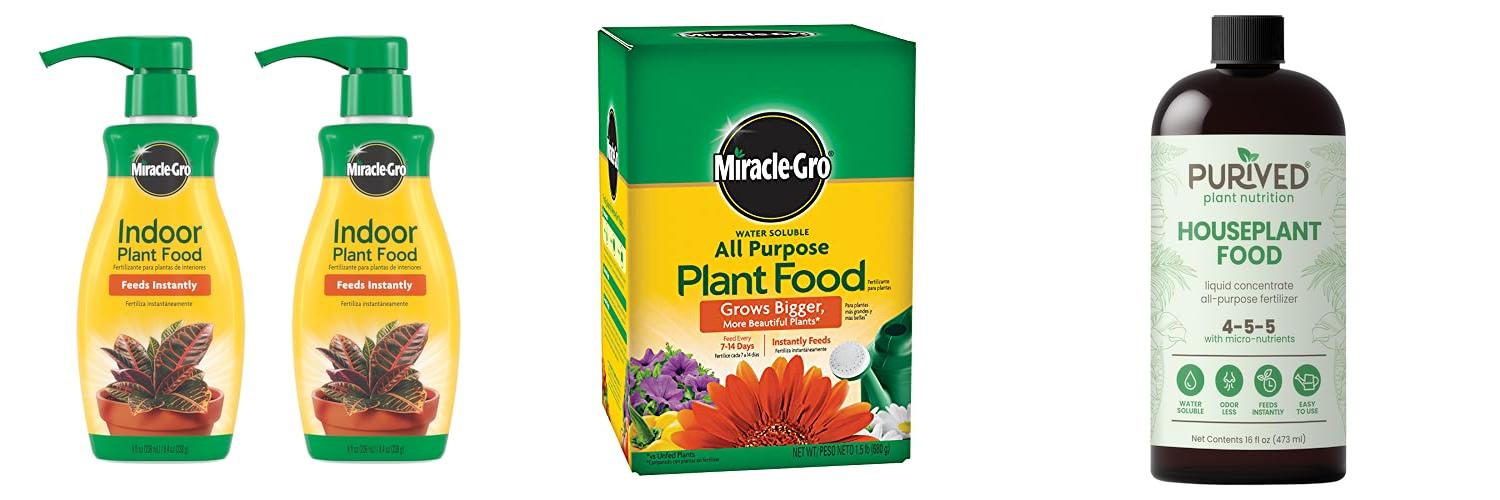
Imagine your plants looking sad and droopy, their leaves pale and their growth stunted. It’s a common frustration for many gardeners, both new and experienced. You want your garden to thrive, bursting with vibrant colors and healthy greenery, but sometimes, despite your best efforts, it just doesn’t happen.
The world of plant fertilizer can feel like a confusing maze. You walk into a garden center, and shelves are packed with bags and bottles promising miracle results. What do all those numbers mean? Which one is actually good for your tomato plants, and which one will help your flowers bloom brighter? It’s easy to feel overwhelmed and unsure if you’re even helping your plants at all, or worse, if you might be hurting them.
But what if you could finally understand the secrets to feeding your plants the right nutrients? By the end of this post, you’ll know exactly what to look for in a fertilizer, how to read those confusing labels, and how to choose the perfect food to make your plants strong and happy. Get ready to transform your garden from struggling to stunning!
Our Top 5 Plant Fertilizer Recommendations at a Glance
| Image | Product | Rating | Links |
|---|---|---|---|
 |
Miracle-Gro Indoor Plant Food | 8.6/10 | Check Price |
 |
Miracle-Gro Water Soluble All Purpose Plant Food | 8.8/10 | Check Price |
 |
Purived 16oz All-Purpose Liquid Plant Fertilizer – Makes 50 Gallons | 9.3/10 | Check Price |
 |
Miracle-Gro Water Soluble All Purpose Plant Food | 9.1/10 | Check Price |
 |
Miracle-Gro Pour & Feed Plant Food | 9.0/10 | Check Price |
Top 5 Plant Fertilizer Detailed Reviews
1. Miracle-Gro Indoor Plant Food
Rating: 9.0/10
Give your houseplants a boost with Miracle-Gro Indoor Plant Food! This liquid food is specially made with the nutrients your indoor plants need to grow strong and healthy. It feeds them right away, so you’ll see results quickly. You can use it on almost any indoor plant, from snake plants and peace lilies to flowers, veggies, and herbs. It’s super easy to use!
What We Like:
- Feeds plants instantly for quick results.
- Works on a wide variety of indoor plants.
- Simple to apply directly to the soil or water it in.
- Comes in a convenient 2-pack, so you have plenty.
What Could Be Improved:
- The instructions for mixing with water could be clearer for some users.
- It would be helpful if there were specific feeding schedules for different plant types.
This Miracle-Gro Indoor Plant Food is a fantastic way to keep your indoor garden thriving. It’s an easy and effective solution for healthier, happier houseplants.
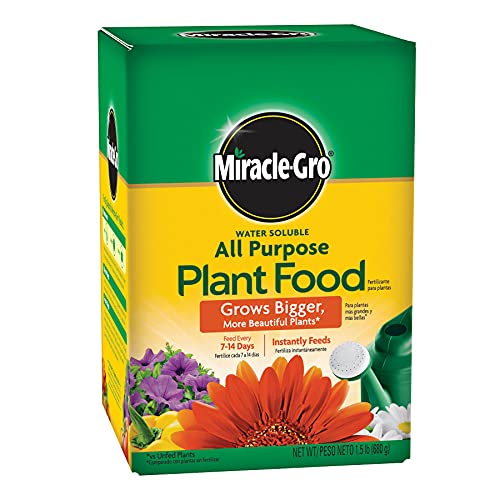
2. Miracle-Gro Water Soluble All Purpose Plant Food
Rating: 8.8/10
Ready to give your plants a boost? Miracle-Gro Water Soluble All Purpose Plant Food is here to help! This handy fertilizer works on all sorts of plants, from your favorite roses and colorful flowers to your leafy houseplants and even vegetables. It’s designed to make your plants grow bigger and more beautiful than they would without it. You’ll see results quickly because it starts working right away.
What We Like:
- It feeds all your plants, both inside and outside.
- It helps your plants grow bigger and more beautiful.
- It starts working fast for quick results.
- The NPK ratio (24-8-16) provides essential nutrients for thriving plants.
- It’s easy to mix and apply with a watering can or a garden feeder.
- One container covers a large area, about 600 sq. ft.
What Could Be Improved:
- Some users might find the mixing ratios a little tricky at first.
- It requires regular application to maintain results.
This plant food is a simple way to keep your garden and houseplants looking their best. Give your green friends the food they need to flourish.
3. Purived 16oz All-Purpose Liquid Plant Fertilizer – Makes 50 Gallons
Rating: 8.9/10
Give your plants the best with Purived 16oz All-Purpose Liquid Plant Fertilizer. This all-natural fertilizer is made in the USA and is safe for groundwater. It’s the best value for your money, as one bottle makes a whopping 50 gallons of plant food. Your indoor houseplants will thank you!
What We Like:
- Best value – one bottle makes 50 gallons of fertilizer.
- It’s odorless, so no stinky smells.
- Feeds plants instantly, giving them a quick boost.
- Super easy to use: just mix one capful with a gallon of water.
- Works on all indoor and outdoor potted plants.
- Great for different feeding methods like watering the soil, spraying leaves, and even hydroponics.
- Has a long shelf life of 2 years.
What Could Be Improved:
- The “groundwater safe” claim is good, but more specific details on its environmental impact would be helpful for eco-conscious buyers.
- While it’s all-purpose, for very specific plant needs, a specialized fertilizer might be preferred by some gardeners.
Purived Plant Food is a fantastic, easy-to-use option for any plant parent. It offers great value and ensures your plants get the nutrients they need without any fuss.
4. Miracle-Gro Water Soluble All Purpose Plant Food
Rating: 9.2/10
Looking for a way to make your plants thrive? The Miracle-Gro Water Soluble All Purpose Plant Food is a fantastic choice for gardeners of all levels. This fertilizer is packed with all the good stuff your plants need to grow strong and look their best. Whether you have colorful flowers, tasty veggies, or even trees and houseplants, this food helps them reach their full potential.
What We Like:
- It’s full of essential nutrients that your plants will love.
- It instantly feeds your plants, so you can see results quickly.
- You’ll grow bigger, more beautiful plants compared to ones that don’t get fed.
- You can feed your plants every 1-2 weeks for consistent nourishment.
- It works with the Miracle-Gro Garden Feeder or any watering can, making it super easy to use.
- It’s safe for all your plants, from flowers and vegetables to trees, shrubs, and houseplants.
- It’s guaranteed not to burn your plants when you follow the directions.
What Could Be Improved:
- The 3 lb size might be a bit large for very small gardening needs.
- While easy to use, some users might prefer a slow-release option for less frequent application.
This Miracle-Gro plant food is a reliable way to boost your garden’s health and beauty. It offers a simple solution for healthier, more vibrant plants.
5. Miracle-Gro Pour & Feed Plant Food
Rating: 9.3/10
Tired of complicated plant care routines? The Miracle-Gro Pour & Feed Plant Food is here to simplify your life and make your plants thrive. This ready-to-use formula takes the guesswork out of feeding your green friends. Just grab the bottle and pour – it’s that easy! It works for all your potted plants, whether they live inside on your windowsill or outside on your patio. Give your plants the nutrients they need to grow strong and beautiful with this super convenient fertilizer.
What We Like:
- It’s ready to use right out of the bottle, so no messy mixing is needed.
- You can pour it straight onto the soil, saving you time and effort.
- It instantly gives your potted plants the food they need to grow.
- It works for both indoor and outdoor plants that are in containers.
- Feeding your plants is simple, just do it every 1 to 2 weeks.
What Could Be Improved:
- It’s designed only for container plants, so it won’t work for garden beds.
- The 32 oz size might run out quickly if you have many plants.
This Miracle-Gro Pour & Feed is a fantastic option for busy plant parents. It makes keeping your container plants happy and healthy incredibly easy.
The Ultimate Buying Guide: Nourishing Your Plants
Choosing the right plant fertilizer can make a big difference in how healthy and happy your green friends are. This guide will help you pick the best food for your plants.
Why Do Plants Need Fertilizer?
Plants are like us; they need food to grow strong. Fertilizer gives them the nutrients they need to make leaves, flowers, and fruits. Without enough nutrients, plants can look sad, grow slowly, or get sick.
1. Key Features to Look For
When you look at fertilizer, you’ll see three numbers on the package. These are called N-P-K numbers. They tell you the amounts of Nitrogen (N), Phosphorus (P), and Potassium (K) in the fertilizer. These are the most important nutrients for plants.
- Nitrogen (N): Helps plants grow green leaves and stems.
- Phosphorus (P): Helps roots grow strong and makes flowers and fruits.
- Potassium (K): Helps plants fight off sickness and bad weather.
Different plants need different amounts of these nutrients. For example, leafy greens need more Nitrogen. Flowering plants need more Phosphorus.
Other Important Features:
- Micronutrients: Plants also need small amounts of other nutrients like iron, zinc, and manganese. Some fertilizers include these.
- Slow-Release vs. Quick-Release: Slow-release fertilizers feed plants over a longer time. Quick-release fertilizers give plants a fast boost.
- Organic vs. Synthetic: Organic fertilizers come from natural things like compost or manure. Synthetic fertilizers are made in factories.
2. Important Materials
The materials in fertilizer give your plants their food. Here are some common ones:
- Nitrogen Sources: Urea, ammonium nitrate, and blood meal are common sources.
- Phosphorus Sources: Bone meal and rock phosphate are often used.
- Potassium Sources: Muriate of potash and sulfate of potash are typical.
- Organic Materials: Compost, aged manure, worm castings, and fish emulsion add nutrients and improve soil.
Organic fertilizers also add good things to the soil, like tiny helpful creatures. Synthetic fertilizers are usually more concentrated and work faster.
3. Factors That Improve or Reduce Quality
The quality of fertilizer depends on a few things.
Improving Quality:
- Balanced N-P-K Ratio: A fertilizer with the right numbers for your specific plant is key.
- Presence of Micronutrients: Fertilizers with a good mix of micronutrients help plants stay healthy.
- Organic Matter Content (for organic types): More good organic stuff means better soil health.
- Reputable Brand: Well-known brands often have better quality control.
Reducing Quality:
- Incorrect N-P-K Ratio: Too much or too little of a nutrient can harm plants.
- Contaminants: Some fertilizers might have unwanted materials.
- Poor Storage: If fertilizer gets wet or is stored for too long, it can lose its power.
4. User Experience and Use Cases
How you use fertilizer matters. Most fertilizers come with instructions. Always follow them carefully.
- Indoor Plants: Use a balanced fertilizer, often diluted, during the growing season.
- Outdoor Gardens: Fertilize vegetables, flowers, and shrubs according to their needs. Some plants need feeding once a year, others more often.
- Lawns: Specific lawn fertilizers help grass grow thick and green.
- New Plants: A starter fertilizer can help new plants settle in.
Using the wrong amount can burn plant roots or not give them enough food. It’s better to under-fertilize than over-fertilize.
Frequently Asked Questions About Plant Fertilizer
Q: What do the numbers on a fertilizer bag mean?
A: The numbers represent the percentage of Nitrogen (N), Phosphorus (P), and Potassium (K) in the fertilizer. These are the main nutrients plants need.
Q: How often should I fertilize my plants?
A: It depends on the plant and the type of fertilizer. Many houseplants need feeding every 2-4 weeks during spring and summer. Outdoor plants have different schedules.
Q: Can I use too much fertilizer?
A: Yes, you can. Too much fertilizer can “burn” the plant’s roots, causing damage. Always follow the instructions on the package.
Q: What is the difference between organic and synthetic fertilizer?
A: Organic fertilizers come from natural sources like compost and manure. Synthetic fertilizers are made in labs. Organic fertilizers also improve the soil.
Q: Do all plants need the same type of fertilizer?
A: No, different plants have different needs. Leafy plants need more nitrogen, while flowering plants benefit from more phosphorus.
Q: When is the best time to fertilize my plants?
A: The best time is usually during the plant’s active growing season, which is typically spring and summer. Avoid fertilizing dormant plants.
Q: What are micronutrients?
A: Micronutrients are essential elements that plants need in very small amounts, like iron and zinc. Some fertilizers include them.
Q: How can I tell if my plant needs fertilizer?
A: Signs include slow growth, yellowing leaves (especially older ones), and poor flowering or fruiting.
Q: Should I water my plant before or after fertilizing?
A: It’s usually best to water your plant before fertilizing. This helps prevent root burn and allows the nutrients to dissolve and be absorbed.
Q: Can I mix different types of fertilizers?
A: It’s generally not recommended to mix different types of fertilizers unless the product instructions specifically say you can. This could lead to an imbalance of nutrients.
In conclusion, every product has unique features and benefits. We hope this review helps you decide if it meets your needs. An informed choice ensures the best experience.
If you have any questions or feedback, please share them in the comments. Your input helps everyone. Thank you for reading.