
What is a lawn mower’s fuel capacity? The amount of gas a lawn mower holds varies greatly depending on its type and size. Generally, push mowers have smaller tanks, often holding between 0.5 to 1 gallon, while riding mowers can hold anywhere from 1.5 to 5 gallons or even more. Knowing your lawn mower’s fuel capacity is key to efficient lawn care.
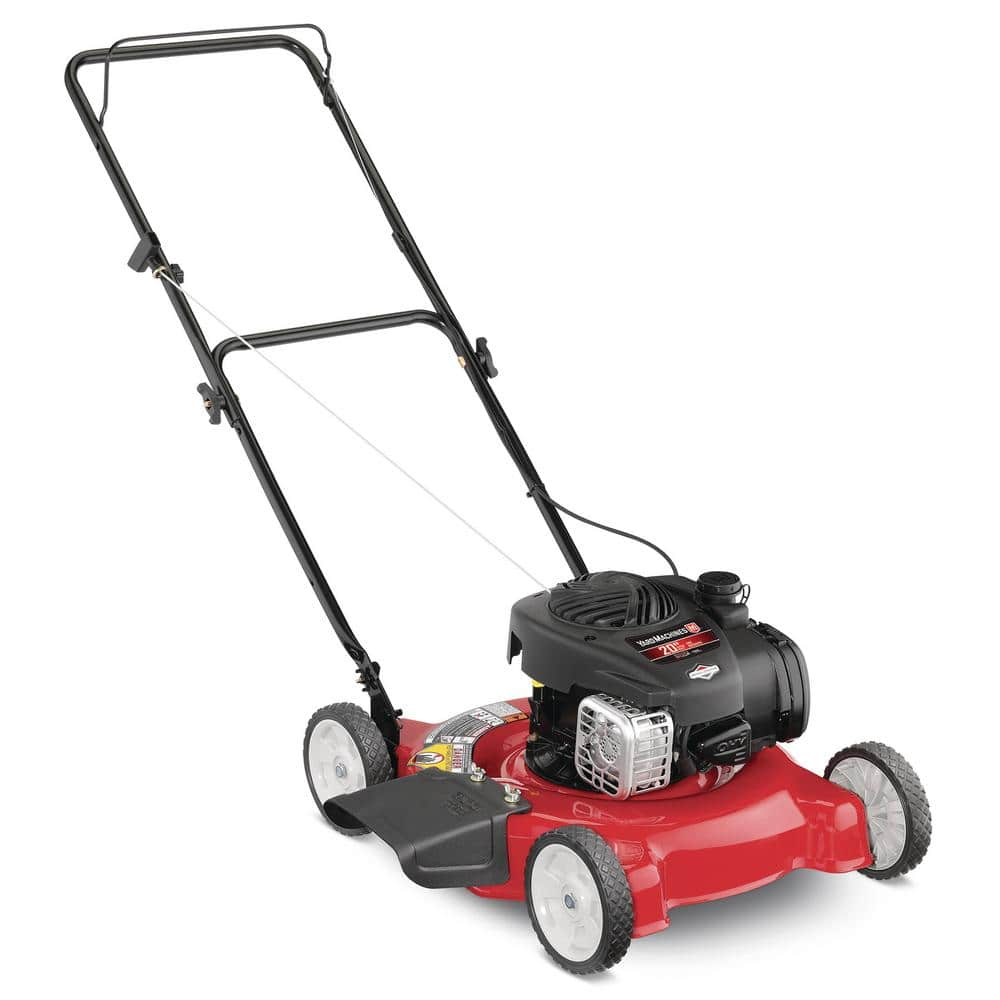
Image Source: images.thdstatic.com
Gauging Your Mower’s Thirst: A Look at Lawn Mower Fuel Tank Capacity
When you’re out tackling that weekend chore of mowing the lawn, the last thing you want is for your trusty mower to sputter and die halfway through. This is where knowing your lawn mower fuel tank capacity becomes incredibly important. It directly impacts how long you can mow before needing to refuel. Think of it like filling up your car – you need to know how much your tank can hold to plan your trips.
The gas tank size lawn mower is designed with depends on several factors. The primary drivers are the engine’s power and the intended use of the mower. A larger, more powerful engine will naturally consume more fuel and thus require a larger tank to provide adequate runtime. Similarly, a mower designed for large acreage will need a bigger tank than one meant for a small city lot.
Push Mower Fuel Tank Size: Your Go-To for Smaller Yards
For many homeowners, the push mower fuel tank size is the most familiar. These are the workhorses that you guide across your lawn. Their fuel tanks are typically quite compact.
- Typical Capacity: Most standard push mowers have a lawn mower fuel capacity ranging from about 0.5 to 1 gallon.
- Why So Small? The engines on push mowers are generally smaller and less demanding on fuel. They are designed for shorter mowing sessions. For a typical suburban yard, a single tank is usually enough to complete the job.
- Runtime: With a tank of, say, 0.75 gallons, you can expect to mow for roughly 60 to 90 minutes, depending on the mower’s efficiency and the grass conditions.
Riding Mower Gas Tank Capacity: For the Big Jobs
If you have a larger property, a riding mower is likely your preferred tool. These machines are built for extended use and larger areas, and their fuel tanks reflect this. The riding mower gas tank capacity is significantly larger to accommodate longer mowing sessions without frequent stops.
- Typical Capacity: The average lawn mower gas tank for a riding mower can range from 1.5 gallons to 5 gallons, with some larger garden tractors holding even more.
- Benefits of Larger Tanks: A larger fuel capacity means you can mow for a much longer period. This is crucial for maintaining large lawns, farms, or commercial properties. You can often finish an entire mowing job on a single tank, saving you time and hassle.
- Example: A riding mower with a 3-gallon tank, depending on its engine size and cutting width, could potentially mow for 2 to 3 hours or more before needing a refill.
Deciphering Lawn Mower Fuel Consumption: How Much Gas Does A Lawn Mower Use?
Knowing how much gas a lawn mower holds is only half the story. The other crucial piece of information is lawn mower fuel consumption. This tells you how quickly your mower burns through that fuel.
Several factors influence how much gas your lawn mower uses:
- Engine Size and Power: Larger, more powerful engines require more fuel to operate. A 5-horsepower engine will consume less gas than a 10-horsepower engine.
- Cutting Conditions:
- Grass Height and Density: Mowing tall, thick grass requires more power, leading to higher fuel consumption. You’ll notice your mower working harder and using gas faster.
- Wet Grass: Wet grass is heavier and harder to cut, also increasing fuel usage.
- Terrain: Mowing on slopes or uneven ground can put a greater strain on the engine, increasing fuel consumption.
- Mowing Speed: Mowing too fast can strain the engine and lead to less efficient fuel use.
- Blade Sharpness: Dull blades force the engine to work harder to cut the grass, thus using more fuel. Keeping your blades sharp is a simple way to improve efficiency.
- Maintenance: A well-maintained mower, with clean air filters and properly tuned components, will operate more efficiently and use less fuel.
How Many Gallons Lawn Mower Gas is Enough?
The question of how many gallons lawn mower gas you need often depends on the size of your lawn and the type of mower you have.
- Small Yards (under 1/4 acre): A standard push mower with a 0.5 to 0.75-gallon tank is usually more than sufficient. You might only need to refill once, if at all, for a single mowing session.
- Medium Yards (1/4 to 1/2 acre): A push mower with a larger tank (around 1 gallon) or a small riding mower with a 1.5 to 2-gallon tank would be suitable. You might need one refill for a push mower.
- Large Yards (over 1/2 acre): Riding mowers with larger fuel tanks (2.5 gallons and up) are highly recommended. This allows for longer, uninterrupted mowing sessions.
Beyond the Tank: Other Factors Affecting Runtime
While the lawn mower fuel tank capacity is a primary determinant of how long you can mow, other aspects play a role:
Small Engine Fuel Tank Size: The Core of the Matter
The small engine fuel tank size is directly tied to the engine’s specifications. Manufacturers design these tanks to provide a reasonable operating time for the intended use of the mower. A higher horsepower engine will have a higher fuel consumption rate, meaning the fuel will be used up faster.
Fuel Type and Octane Ratings
For most lawn mowers, regular unleaded gasoline is the recommended fuel. Always check your owner’s manual for specific fuel recommendations. Using the wrong type of fuel can damage your engine and affect its performance. Higher octane fuels are generally not necessary for small engines and offer no performance benefit.
Ethanol Content
Many gasoline blends today contain ethanol. While most modern lawn mower engines are designed to handle ethanol blends (typically up to E10), higher concentrations (like E15 or E85) can cause problems. Ethanol can degrade rubber and plastic components in fuel systems and absorb moisture, leading to corrosion. If your mower is older or if you’re unsure, it’s best to use ethanol-free gasoline when available.
Proper Fuel Storage
Gasoline degrades over time, especially when exposed to air and heat. Storing fuel in approved containers, away from direct sunlight and heat sources, is essential. For longer-term storage (more than 30 days), it’s advisable to use a fuel stabilizer to prevent gumming and corrosion. This ensures that when you do need to refuel, the gas is fresh and ready to go.
Maintaining Your Mower for Optimal Fuel Efficiency
A well-maintained mower not only lasts longer but also operates more efficiently, using less fuel. Here are some key maintenance tips related to fuel consumption:
Regular Engine Tune-Ups
- Spark Plugs: A fouled or worn spark plug can lead to incomplete combustion, reducing power and increasing fuel use. Replace spark plugs according to your owner’s manual’s recommendations.
- Air Filters: A clogged air filter restricts airflow to the engine, making it run rich (too much fuel, not enough air). This wastes fuel and can reduce performance. Clean or replace the air filter regularly, especially in dusty conditions.
- Fuel Filters: If your mower has a fuel filter, ensure it’s clean or replaced as needed. A clogged fuel filter can restrict fuel flow, affecting engine performance.
Blade Maintenance
As mentioned earlier, sharp blades are crucial for efficient mowing. Dull blades require more force from the engine to cut grass, leading to increased fuel consumption. Sharpen or replace mower blades at least once a year, or more often if you mow frequently or encounter tough conditions.
Tire Pressure (for Riding Mowers)
Properly inflated tires on riding mowers reduce rolling resistance. When tires are underinflated, the engine has to work harder to move the mower forward, consuming more fuel. Check tire pressure regularly and inflate them to the manufacturer’s recommended levels.
Cleaning the Mower Deck
Accumulated grass clippings and debris on the mower deck can create drag and make the engine work harder. Regularly clean the underside of the mower deck to improve airflow and reduce the load on the engine.
What is Lawn Mower Fuel Capacity? A Quick Recap
To reiterate, what is lawn mower fuel capacity? It’s the maximum volume of fuel that your lawn mower’s tank can safely hold. This capacity directly influences how long you can operate the mower on a single fill-up.
- Push Mowers: Typically 0.5 to 1 gallon.
- Riding Mowers: Typically 1.5 to 5 gallons or more.
Choosing a mower with an appropriate lawn mower fuel tank capacity ensures that you can complete your mowing tasks without unnecessary interruptions.
Frequently Asked Questions (FAQs)
Q1: How often should I check my lawn mower’s oil?
You should check your lawn mower’s oil level before each use, especially for 4-stroke engines. Refer to your owner’s manual for specific instructions.
Q2: Can I use premium gasoline in my lawn mower?
No, premium gasoline is not recommended for most lawn mowers. Regular unleaded gasoline is typically sufficient. Using premium fuel will not improve performance and is a waste of money.
Q3: My lawn mower runs out of gas very quickly. What could be wrong?
Several issues could cause this:
* Small Tank Size: Your mower might simply have a small tank designed for smaller yards.
* Engine Issues: Clogged air filters, dirty spark plugs, or engine problems can lead to inefficient fuel use.
* Mowing Conditions: Mowing very tall, thick, or wet grass will increase fuel consumption.
* Dull Blades: Dull blades make the engine work harder.
Q4: How do I find the exact fuel capacity of my lawn mower?
The most reliable place to find your lawn mower fuel capacity is your owner’s manual. If you no longer have it, you can often find a digital version on the manufacturer’s website by searching for your mower’s model number. You can also sometimes find this information stamped on the tank itself or in online specifications for your model.
Q5: Is it safe to leave gasoline in my lawn mower all winter?
It’s not recommended. Gasoline can degrade over time and can form gummy deposits that can clog the fuel system and carburetor. Before storing your mower for the winter, it’s best to either run the tank dry or add a fuel stabilizer and run the engine for a few minutes to ensure the stabilized fuel circulates through the system.
Q6: Does the engine size dictate the gas tank size?
Generally, yes. Larger, more powerful engines typically consume more fuel and therefore are paired with larger fuel tanks to provide adequate runtime. Conversely, smaller engines are usually fitted with smaller tanks.
Q7: How much gas does a zero-turn mower hold?
Zero-turn mowers, especially those designed for larger properties, often have generous fuel capacities. You can expect their riding mower gas tank capacity to range from 3 gallons to 5 gallons or even more for commercial-grade models. This allows for extended operation across large areas.