
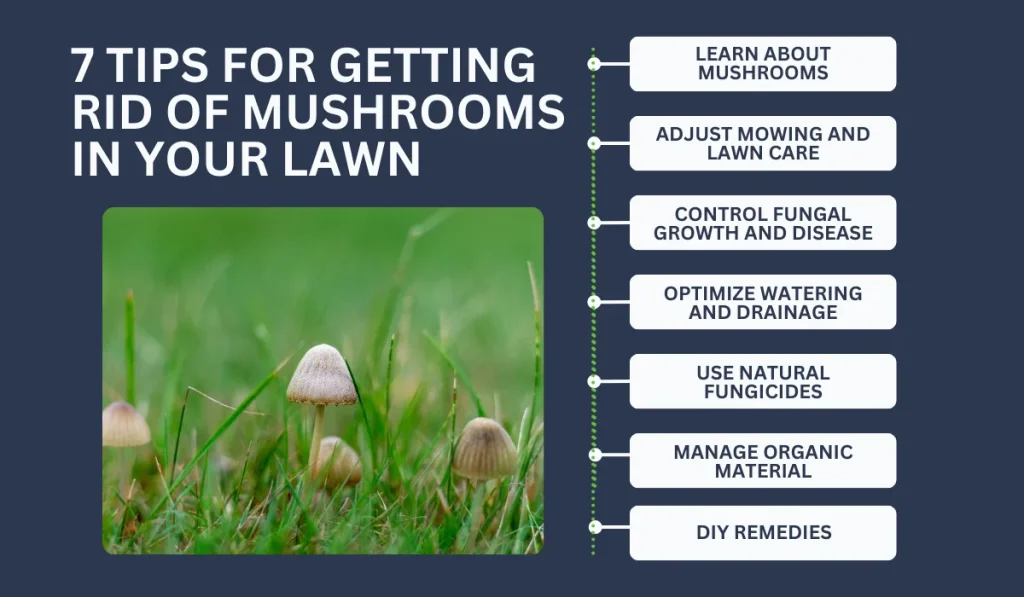
Image Source: sodlawn.com
Is it possible to get rid of mushrooms in my lawn?
Yes, it is possible to get rid of mushrooms in your lawn. While completely eradicating them can be challenging because they are a natural part of the soil ecosystem, you can significantly reduce their presence and prevent them from returning. This guide will walk you through effective mushroom control methods to achieve a healthier, mushroom-free lawn.
Mushrooms popping up in your yard can be both a nuisance and a sign of underlying issues in your lawn’s health. They are the fruiting bodies of fungi that live underground, and their appearance often indicates excess moisture, thatch buildup, or nutrient imbalances. This article offers a comprehensive approach to yard mushroom eradication, covering everything from immediate removal to long-term lawn care for fungi. We’ll explore fungal growth removal techniques, effective lawn fungus treatment options, and practical ways for preventing lawn mushrooms.
Why Do Mushrooms Grow in My Lawn?
Before we dive into removal, it’s helpful to understand why these unwelcome guests appear. Mushrooms are the reproductive structures of fungi that live as a network of threads (mycelium) in the soil. Their appearance above ground is usually a response to specific environmental conditions.
Several factors contribute to mushroom growth:
- Excess Moisture: Fungi thrive in damp environments. Overwatering, poor drainage, and frequent rainfall can create ideal conditions for mushrooms to emerge.
- Thatch Buildup: Thatch is a layer of dead and living plant material that accumulates on the soil surface. A thick thatch layer can retain moisture and provide a food source for fungi.
- Decomposing Organic Matter: Mushrooms are nature’s recyclers. They break down dead organic material, such as old tree roots, buried leaves, or animal waste. If these are abundant in your soil, mushrooms are likely to appear.
- Nutrient Imbalances: While not a direct cause, certain soil conditions, like low nitrogen levels, can indirectly encourage fungal activity.
- Shady, Damp Areas: Areas of your lawn that receive less sunlight and stay wet longer are prime spots for mushrooms.
Identifying the Culprits: Types of Lawn Mushrooms
While most common lawn mushrooms are harmless to your grass, some can be an indicator of more serious lawn problems. It’s important to note that identifying specific mushroom species can be complex and often requires expert knowledge. However, recognizing common patterns can help.
Common Lawn Mushroom Types
- Common Field Mushroom (Agaricus campestris): Often found in rings.
- Ink Cap Mushrooms (Coprinus spp.): These decompose rapidly, sometimes melting into an inky liquid.
- St. George’s Mushroom (Calocybe gambosa): Often appears in spring, sometimes forming rings.
- Tuffets (Marasmius oreades): Small, clustered mushrooms that commonly form “fairy rings.”
Fairy Rings
One of the most noticeable manifestations of fungal activity is the “fairy ring.” These are circular or arc-shaped bands of darker green grass, sometimes with mushrooms appearing along the outer edge. Fairy rings are caused by the outward growth of the underground mycelium. As the fungus grows, it decomposes organic matter in the soil, releasing nutrients that can make the grass within or at the edge of the ring grow more vigorously. However, the older, inner parts of the ring can become depleted of nutrients and even hydrophobic, leading to brown, dead grass patches. Eliminating fairy rings requires addressing the underlying fungal activity.
Immediate Steps for Mushroom Removal
When you see mushrooms, your first instinct is likely to remove them. Here’s how to do it effectively.
Manual Removal
- Hand-Pulling: The simplest and most direct method. Gently pull the mushroom from the ground, making sure to remove the entire base. Be careful not to disturb the soil too much.
- Shoveling: For larger clusters or when dealing with fairy rings, you might need to use a spade or shovel to carefully lift out the mushrooms and a small amount of surrounding soil.
Important Note: While removing the visible mushrooms provides an aesthetic improvement, it doesn’t address the underlying mycelium. Mushrooms will likely return if the conditions that caused them are not corrected.
Raking and Bagging
- Leaf Rake: Use a stiff leaf rake to gently sweep over the areas with mushrooms. This can dislodge them and collect them for disposal.
- Bag and Dispose: Always bag the removed mushrooms and dispose of them in a sealed trash can or compost bin away from your lawn. This prevents spores from spreading.
Addressing the Root Causes: Lawn Fungus Treatment and Prevention
Effective yard mushroom eradication goes beyond simple removal. It involves creating an environment that is less hospitable to fungi. This means focusing on lawn care for fungi and implementing mushroom control methods.
Managing Moisture Levels
Controlling excess moisture is paramount.
- Water Wisely: Water your lawn deeply but infrequently. Aim for about 1 inch of water per week, applied in the early morning. This allows the soil surface to dry out during the day, making it less favorable for fungal growth. Avoid watering in the evening.
- Improve Drainage: If your lawn holds water for extended periods, consider improving drainage. This might involve aerating your soil, amending it with organic matter, or installing drainage systems in severe cases.
- Trim Overhanging Branches: Prune trees and shrubs that cast excessive shade and keep the lawn damp. Increased sunlight and air circulation can significantly reduce moisture.
Thatch Management
A healthy lawn has a thin layer of thatch (less than half an inch). Excessive thatch needs to be managed.
- Dethatching (Scarifying): This process involves physically removing the accumulated thatch layer. You can use a rented dethatching machine or a garden fork for smaller areas. Dethatching is best done in the fall or spring when the grass is actively growing.
- Aeration: Core aeration involves pulling small plugs of soil from the lawn. This helps to break up compacted soil, improve air and water penetration, and reduce thatch. Aerating your lawn at least once a year is highly beneficial.
Soil Health and Fertilization
A well-nourished lawn is more resilient to fungal diseases.
- Soil Testing: Get a soil test done to determine pH levels and nutrient deficiencies. This will guide your fertilization strategy.
- Balanced Fertilization: Use a balanced fertilizer appropriate for your grass type and the season. Avoid excessive nitrogen, which can promote lush, weak growth susceptible to disease. Slow-release fertilizers are generally preferred.
- Top-dressing: After aeration or dethatching, top-dressing with a thin layer of compost can improve soil structure and provide beneficial microbes that compete with fungi.
Natural Mushroom Removal Techniques
For those who prefer an eco-friendly approach, several natural mushroom removal methods can be employed.
Baking Soda Application
Baking soda can help alter the soil pH, making it less favorable for some fungi.
- Method: Mix 1 tablespoon of baking soda with 1 gallon of water and a few drops of liquid soap (to help it stick). Spray this solution directly onto the mushrooms and the surrounding affected area.
- Frequency: Apply every few days until mushrooms disappear.
Vinegar Solution
Vinegar (acetic acid) can also act as a mild fungicide.
- Method: Mix equal parts white vinegar and water. You can also add a teaspoon of liquid dish soap. Spray this mixture directly onto the mushrooms.
- Caution: Vinegar can harm grass if applied in high concentrations or too frequently. Test on a small area first. Avoid spraying on hot, sunny days, as this can increase the risk of scorching your grass.
Lime Application
In some cases, especially if your soil is acidic, applying lime can help adjust the pH and deter fungal growth.
- Method: Follow the recommendations from your soil test. Typically, a light application of garden lime around the affected areas can be beneficial.
- Timing: Apply lime when the grass is dry, and water it in afterward. Avoid applying when rain is expected, as it can wash away.
Improving Airflow and Sunlight
- Mowing Height: Ensure you are mowing your lawn at the correct height for your grass type. Taller grass shades the soil, keeping it cooler and moister, which fungi prefer.
- Pruning: As mentioned earlier, prune low-hanging branches or overgrown shrubs that block sunlight and airflow to the lawn.
Chemical Treatments: Fungicides for Lawns
If natural methods aren’t sufficient, or if you’re dealing with a persistent problem, chemical fungicide for lawns can be an option. However, it’s crucial to use these products responsibly and as directed.
Types of Lawn Fungicides
Fungicides are categorized based on their mode of action:
- Contact Fungicides: These form a protective barrier on the plant surface and kill fungi on contact. They need to be reapplied regularly, especially after rain.
- Systemic Fungicides: These are absorbed by the plant and move within its tissues to kill fungi. They offer longer-lasting protection.
Choosing the Right Fungicide
- Identify the Problem: If you suspect a specific fungal disease (like brown patch or dollar spot) is contributing to the mushrooms, choose a fungicide formulated for that disease.
- Read the Label: Always read and follow the product label instructions carefully. This includes application rates, timing, safety precautions, and reapplication intervals.
- Broad-Spectrum vs. Specific: Broad-spectrum fungicides target a wide range of fungi, while specific fungicides are designed for particular fungal species.
Application Guidelines
- Timing is Key: Apply fungicides when you first notice signs of fungal activity or during periods when conditions are favorable for disease development.
- Coverage: Ensure even application over the affected areas.
- Safety: Wear protective clothing, including gloves and eye protection, when handling fungicides. Keep pets and children away from treated areas until the product has dried.
Important Consideration: Fungicides are designed to treat diseases that damage grass. While they may reduce mushroom growth, they are not always the most effective direct solution for yard mushroom eradication if the primary issue is simply decomposition. Using fungicides without an underlying disease can also be costly and potentially harmful to beneficial soil organisms.
Dealing with Fairy Rings: Specific Strategies
Eliminating fairy rings requires persistence, as the mycelium can be deep within the soil.
Cultural Practices for Fairy Rings
- Improve Drainage: As with general mushroom control, improving drainage is crucial.
- Aeration and Dethatching: These practices help break up the compacted, often water-repellent soil associated with fairy rings.
- Watering: Deep watering can help encourage the grass on the outer edge of the ring to grow and potentially mask the appearance, while also helping to leach salts from the soil.
Direct Treatments for Fairy Rings
- Core Aeration and Top-dressing: For small fairy rings, repeated core aeration and top-dressing with compost can help to break up the mycelium and reintroduce beneficial microbes.
- Fungicide Application: In some cases, applying a systemic fungicide specifically labeled for fairy ring control can be effective. The fungicide needs to be watered into the soil to reach the mycelium. Multiple applications might be necessary.
- Nitrogen Application: Applying nitrogen fertilizer to the affected area can sometimes stimulate grass growth to outcompete the fungus or at least improve the visual appearance of the ring.
Prevention: The Best Long-Term Solution
The most effective way to manage lawn mushrooms is through consistent, proactive lawn care for fungi. By maintaining a healthy lawn, you create an environment that naturally suppresses fungal growth.
Key Prevention Strategies
- Proper Watering: Avoid overwatering and water in the morning.
- Regular Mowing: Mow at the correct height for your grass type, and never remove more than one-third of the blade at a time.
- Thatch Control: Aerate and dethatch your lawn regularly.
- Soil Health: Maintain proper soil pH and nutrient levels through soil testing and appropriate fertilization.
- Remove Debris: Rake up fallen leaves and other organic debris that can serve as food for fungi.
- Identify and Remove Sources: If you suspect buried wood or animal waste is the cause, remove it.
Mushroom Control Methods: A Summary Table
| Method | Description | Best For |
|---|---|---|
| Manual Removal | Hand-pulling or shoveling out mushrooms. | Immediate aesthetic improvement. Does not address the root cause. |
| Raking & Bagging | Using a rake to collect mushrooms and disposing of them properly. | Quick removal of visible mushrooms. Prevents spore spread. |
| Water Management | Adjusting watering schedules (deep, infrequent, morning watering). | Preventing lawn mushrooms by reducing excess moisture. Crucial for long-term control. |
| Thatch Control | Aeration and dethatching to reduce the layer of dead organic matter. | Reduces food sources and improves air/water circulation, discouraging fungal growth removal. Essential for overall lawn health and lawn fungus treatment. |
| Natural Treatments | Using baking soda, vinegar, or lime solutions on affected areas. | Natural mushroom removal. Effective for mild cases or as a supplementary approach. Test on small areas first due to potential grass damage. |
| Chemical Fungicides | Applying specialized products to kill fungi. | For severe fungal diseases or persistent mushroom issues where other methods fail. Use with caution and follow label instructions meticulously. Can be part of lawn fungus treatment. |
| Addressing Fairy Rings | Specific strategies including core aeration, top-dressing, and targeted fungicide application or nitrogen boost. | Eliminating fairy rings by targeting the underground mycelium. Requires consistent effort. |
| Improving Airflow/Sunlight | Proper mowing height and pruning of trees/shrubs. | Creates a less favorable environment for fungi by reducing shade and moisture retention. Contributes to preventing lawn mushrooms. |
Frequently Asked Questions (FAQ)
Q1: Are lawn mushrooms dangerous to my pets or children?
A1: Most common lawn mushrooms are not inherently dangerous. However, it’s impossible to identify all mushroom species by sight, and some can be toxic if ingested. It is best practice to remove all mushrooms from your lawn and prevent pets and children from eating them.
Q2: How quickly can I expect to see results after applying treatments?
A2: Visible mushrooms can be removed immediately through manual methods. However, addressing the underlying fungal activity and preventing lawn mushrooms is a longer-term process. You may see a reduction in new mushroom growth within a few weeks of implementing consistent cultural practices like proper watering and thatch management. Chemical treatments might show faster results but require follow-up.
Q3: Can I just ignore the mushrooms?
A3: While often not harmful to the grass itself, mushrooms are a sign of conditions that can weaken your lawn over time. Ignoring them means you’re not addressing potential issues like poor drainage or excessive thatch, which can lead to more serious lawn diseases and create a generally less healthy lawn. Consistent lawn care for fungi is key.
Q4: How do I know if I have a fungal disease or just mushrooms from decomposition?
A4: Mushrooms from decomposition typically appear in areas where organic matter is breaking down (like under old tree stumps or in areas with heavy leaf litter). Fungal diseases often manifest as visible damage to the grass itself, such as discolored patches (brown, yellow, or reddish), thinning turf, or specific patterns like rings or spots. If you see grass damage alongside mushrooms, it’s likely a disease that requires targeted lawn fungus treatment.
Q5: How can I effectively prevent mushrooms from coming back?
A5: The best way to prevent mushrooms is through consistent, good lawn maintenance. This includes proper watering, regular mowing, dethatching, aeration, and ensuring good soil health. By creating a healthy lawn environment, you naturally deter fungal growth and reduce the likelihood of fungal growth removal becoming a recurring chore.