
If you’re asking yourself, “Why are there so many wasps in my yard?”, the most common reasons are a nearby wasp nest, readily available food and water sources, and the specific types of wasps common to your region. This article will delve into these factors, offering detailed insights into wasp behavior, nest identification, and effective management strategies.
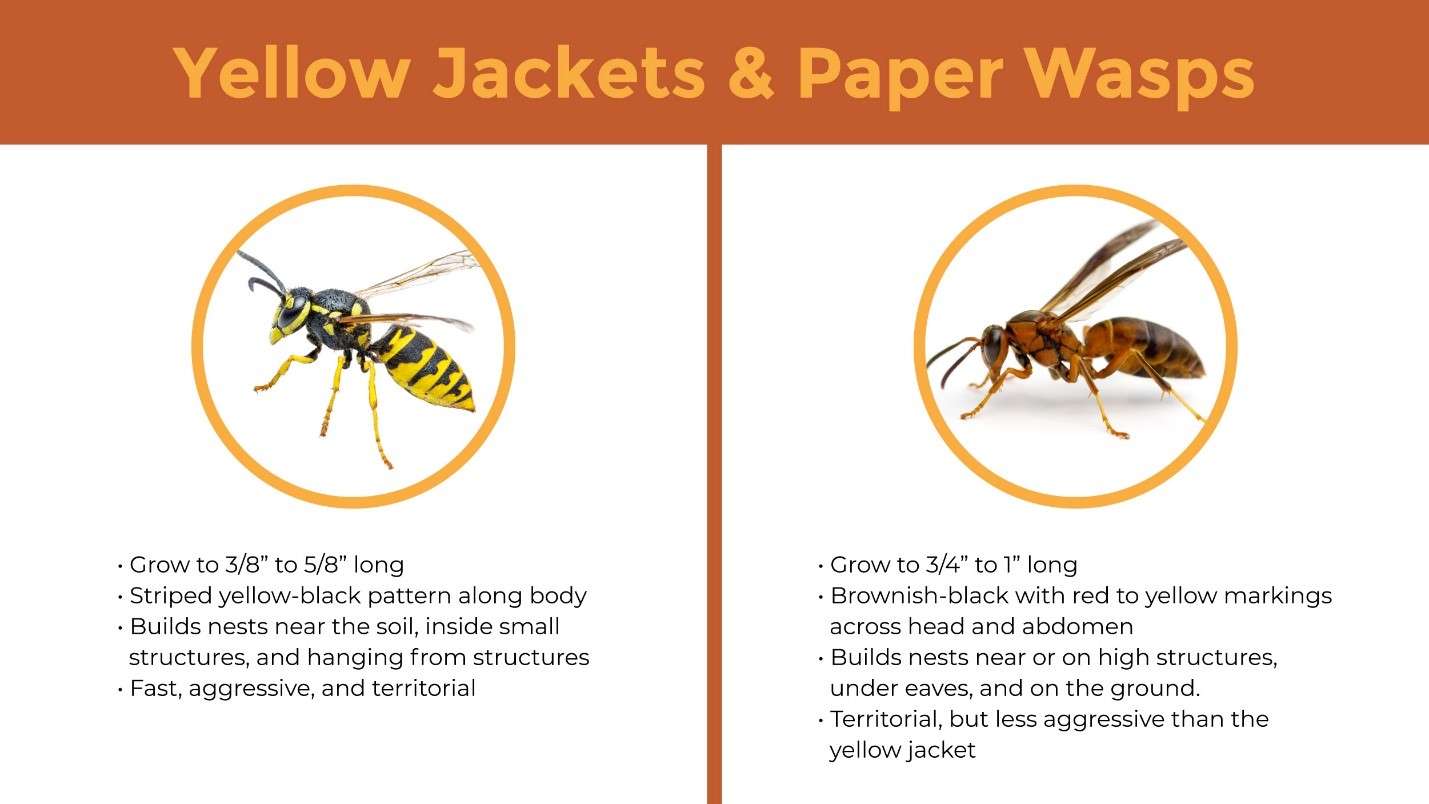
Image Source: www.lloydpest.com
Fathoming the Wasp Population Surge
Seeing a few wasps buzzing around your garden is normal, especially in warmer months. They play a vital role in pollination and pest control. However, when the numbers seem to skyrocket, it’s natural to wonder what’s drawing them in. Several factors contribute to a significant wasp presence in your yard. Let’s explore these key elements.
Deciphering Wasp Nest Identification and Proximity
One of the primary reasons for a surge in wasp activity is the presence of a wasp nest. Wasps are territorial and will defend their colony. If a nest is located close to or within your property, you’ll naturally see more wasps.
Common Nest Locations
Wasps build nests in a variety of places, depending on the species. Knowing these common spots can help you identify a potential problem before it becomes overwhelming.
- Aerial Nests: Many species, like paper wasps and hornets, build their papery nests above ground. Look for them:
- Under eaves of houses and sheds
- In attics or garages
- On tree branches or in dense shrubs
- Attached to fences or railings
- Ground Nests: Some wasps, most notably yellow jackets, prefer to nest underground. Their nests can be found:
- In abandoned rodent burrows
- In cavities in walls or piles of debris
- Beneath rocks or logs
- Cavity Nests: Other species might utilize pre-existing cavities. These can include:
- Hollow trees
- Wall voids in buildings
- Birdhouses or other sheltered spaces
Recognizing a Wasp Nest
A new nest will start small, often looking like a small, grayish, papery sphere or cone. As the colony grows, the nest will expand. You might notice increased wasp traffic around a particular area, which is a strong indicator of a nearby nest. For wasp nest identification, look for the tell-tale construction material – a papery pulp mixed with saliva.
Examining Wasp Infestation Causes: The Allure of Your Yard
Beyond just a nest, your yard might be unintentionally attracting wasps to yard by providing essential resources they need to thrive.
Food Sources
Wasps are omnivores and scavengers, and your yard might be a buffet for them.
- Sweet Substances: Wasps are particularly attracted to sugary things.
- Fallen Fruit: Overripe fruit from trees in your yard or fallen from neighbors’ trees can be a major draw.
- Sugary Drinks: Spilled soda, juice, or even sweet flower nectar can attract them.
- Flower Nectar: While wasps are not primary pollinators, they will feed on nectar from certain flowers.
- Protein Sources: In late summer and fall, wasps become more aggressive in seeking protein to feed their young.
- Insects: Your yard’s insect population, including flies, caterpillars, and spiders, serves as a food source for wasps.
- Pet Food: Uncovered pet food left outdoors can be a strong attractant.
- Garbage Cans: Open or poorly sealed garbage cans, especially those with food waste, are prime locations for wasps to forage.
- Water Sources: Wasps also need water, especially during hot weather.
- Bird Baths: Open water sources like bird baths can attract them.
- Leaky Faucets or Sprinklers: Any source of standing or dripping water can be a target.
Shelter and Nesting Materials
While we’ve covered nest locations, the availability of nesting materials also plays a role. Wasps use chewed wood fibers to build their paper nests. If you have decaying wooden structures, fences, or even old cardboard boxes in your yard, these can provide the raw materials for nest building.
Comprehending Common Wasp Types and Their Behavior
The specific types of wasps prevalent in your area will influence their nesting habits, diet, and overall wasp behavior in yard. Knowing these differences can help you anticipate and manage their presence.
Yellow Jackets
- Appearance: Typically black with bright yellow markings, smaller than hornets.
- Nesting: Prefer to nest underground, often in old rodent burrows. Some species can also nest in wall voids.
- Behavior: Highly social and aggressive, especially when their nest is disturbed or when foraging for food in late summer. They are attracted to sweet and protein-rich foods.
- Swarming: Why wasps swarm can be related to defending their nest or a sudden abundance of food. Yellow jackets are known to swarm aggressively when threatened.
Paper Wasps
- Appearance: Slender bodies with distinctive narrow waists, often brown or black with yellow or reddish markings.
- Nesting: Build open, umbrella-shaped or fan-shaped nests from papery material, typically hanging from eaves, railings, or branches.
- Behavior: Generally less aggressive than yellow jackets, but will sting if their nest is directly threatened. They are attracted to insects and sugary substances.
Hornets
- Appearance: Larger than yellow jackets, often black with white or yellow markings. The bald-faced hornet is a common example, though technically a type of yellow jacket.
- Nesting: Construct large, enclosed, papery nests, usually aerial, often found in trees, shrubs, or on the sides of buildings.
- Behavior: Can be quite aggressive, especially when defending their large nests. They are predators and will hunt other insects.
Mud Daubers
- Appearance: Distinctive metallic blue or black bodies with extremely narrow waists.
- Nesting: Build nests made of mud, often attached to walls, ceilings, or sheltered outdoor structures.
- Behavior: Solitary wasps, generally not aggressive and rarely sting humans unless handled directly. They prey on spiders.
Deciphering Why Wasps Swarm
The phenomenon of why wasps swarm is often linked to defense and resource acquisition.
- Defense of the Nest: The most common reason for a swarm is a perceived threat to the nest. If you get too close to a nest, or if the nest is disturbed, guard wasps will emerge to defend the colony, often leading to a mass aggressive response.
- Resource Competition: In situations of extreme food scarcity or competition, large numbers of wasps might congregate in one area, giving the appearance of a swarm.
- Nest Relocation: Occasionally, a colony might move its nest, and the wasps may congregate temporarily at the old or new site.
- Swarming (Reproductive): In some species, at certain times of the year, virgin queens will emerge with male wasps to mate. This can sometimes result in a temporary gathering of wasps, though it’s less common to observe as a “swarm” in the defensive sense.
Strategies for Wasp Control Methods
When the number of wasps becomes problematic, implementing effective wasp control methods is crucial for safety and comfort.
Targeted Wasp Nest Removal
If you’ve located a nest, wasp nest removal is often the most direct solution. However, this should be approached with extreme caution.
- Safety First: Always wear protective clothing. Thick clothing, long sleeves and pants, gloves, and a veil are recommended.
- Timing is Key: The best time for nest removal is at dusk or dawn when wasps are less active and mostly inside the nest.
- Use Appropriate Products: Insecticidal dusts or sprays specifically designed for wasps can be effective. For ground nests, applying insecticide directly into the entrance is often best. For aerial nests, a targeted spray from a distance is recommended.
- Professional Help: For large nests, nests in difficult-to-reach locations, or if you are allergic to stings, it is highly advisable to contact a professional pest control service. They have the expertise and equipment for safe wasp nest removal.
Effective Wasp Deterrents
Preventing wasps from becoming established is often easier than dealing with an existing infestation. Implementing wasp deterrents can make your yard less appealing.
- Seal Entry Points: Block any cracks or openings in your home’s exterior, attic, or eaves where wasps might build nests.
- Manage Food and Water:
- Keep garbage cans sealed tightly.
- Clean up fallen fruit promptly.
- Avoid leaving sugary drinks or pet food outdoors.
- Fix leaky faucets and ensure sprinklers don’t create persistent puddles.
- Plant Repellent Plants: Some plants are believed to naturally deter wasps. Consider planting:
- Mint
- Eucalyptus
- Citronella
- Pennyroyal
- False Nests: Wasps are somewhat territorial and may avoid areas where they believe another colony is already established. Hanging fake wasp nests (available commercially or can be made from paper bags) can sometimes discourage them from building in that vicinity.
Natural Wasp Deterrents
For those seeking a more natural approach to wasp deterrents, several options exist:
- Essential Oils: Certain essential oils can repel wasps. Spritzing diluted oils of peppermint, clove, geranium, or lemongrass around outdoor seating areas or entry points may help.
- Vinegar Traps: A simple trap can be made by combining equal parts water and vinegar (apple cider vinegar is often recommended) in a jar or bottle. Add a tablespoon of sugar or a small piece of fruit. The wasps are attracted to the scent, get trapped inside, and drown. Place these traps away from your main gathering areas.
- Cucumber Slices: Some anecdotal evidence suggests that placing cucumber slices near outdoor areas can deter wasps, as they are thought to dislike the smell.
Professional Pest Control
For severe wasp infestation causes or persistent problems, professional pest control services offer the most reliable solutions. They can:
- Accurately identify the wasp species.
- Locate hidden nests, including those in difficult-to-access areas.
- Use professional-grade insecticides and application methods for effective wasp control methods.
- Provide advice on long-term prevention.
Managing Your Yard to Discourage Wasps
A proactive approach to yard maintenance can significantly reduce the likelihood of a wasp problem.
Keeping a Tidy Outdoor Space
A clean and well-maintained yard is less attractive to wasps.
- Regularly Sweep: Clear away fallen leaves, grass clippings, and any other debris where wasps might find shelter or nesting materials.
- Secure Composts: Ensure compost bins are properly sealed to prevent wasps from accessing decaying food matter.
- Trim Vegetation: Keep shrubs and trees trimmed, especially those near your home, to reduce potential nesting sites and make them less appealing.
Strategic Planting Choices
While some plants attract pollinators, others can help deter wasps.
- Flowering Plants to Avoid: Be mindful of plants that produce abundant nectar and are particularly attractive to wasps, such as sunflowers, clover, and some flowering herbs if they become over-inviting.
- Flowering Plants to Consider: Conversely, plants like mint, spearmint, and wormwood are often cited as natural wasp repellents. Planting these around patios and entrances might offer some protection.
Water Management
Wasps need water, so managing water sources is key.
- Fix Leaks: Repair any dripping outdoor faucets or irrigation systems.
- Empty Standing Water: Regularly empty containers that collect rainwater, such as old tires, buckets, or bird baths if they become a wasp haven. If you have a bird bath, consider making it less appealing by cleaning it regularly or using a shallow dish that is emptied frequently.
Frequently Asked Questions About Yard Wasps
Q1: How can I tell if I have a wasp nest in my yard?
You’ll likely see a significant increase in wasp activity around a specific area. Look for wasps entering and exiting a particular spot, especially under eaves, in bushes, trees, or holes in the ground. You might also spot the papery material used to construct aerial nests.
Q2: Are all wasps aggressive?
No. While some species like yellow jackets and hornets can be quite aggressive, especially when defending their nest, others like mud daubers are generally solitary and docile, rarely stinging unless provoked.
Q3: What should I do if a wasp stings me?
Wash the affected area with soap and water. Apply a cold compress to reduce swelling and pain. Over-the-counter pain relievers and antihistamines can help. If you experience a severe allergic reaction (difficulty breathing, swelling of the face or throat, dizziness), seek immediate medical attention.
Q4: Can I get rid of wasps naturally without pesticides?
Yes, natural methods include using traps (like vinegar and sugar solutions), hanging fake nests, planting repellent herbs, and maintaining a clean yard to remove attractants. However, natural methods might be less effective for large infestations or aggressive species.
Q5: When is the best time to remove a wasp nest?
The best time to remove a wasp nest is at dusk or dawn, when wasps are least active and most of the colony is inside the nest.
Q6: How can I stop wasps from coming to my outdoor picnic?
Keep food and drinks covered. Clean up spills immediately. Avoid very sweet or strong-smelling foods and drinks. Using wasp deterrents like a fan or essential oil diffusers can also help keep them away from your immediate area.
Q7: Why do wasps swarm?
Wasps swarm primarily to defend their nest from perceived threats. They may also swarm due to competition for resources or, in rare cases, during mating rituals or nest relocation.
By understanding the reasons behind a high wasp population and implementing appropriate management strategies, you can enjoy your yard more safely and comfortably. Remember, a balanced approach that prioritizes safety and prevention is always best.